

City Know-hows

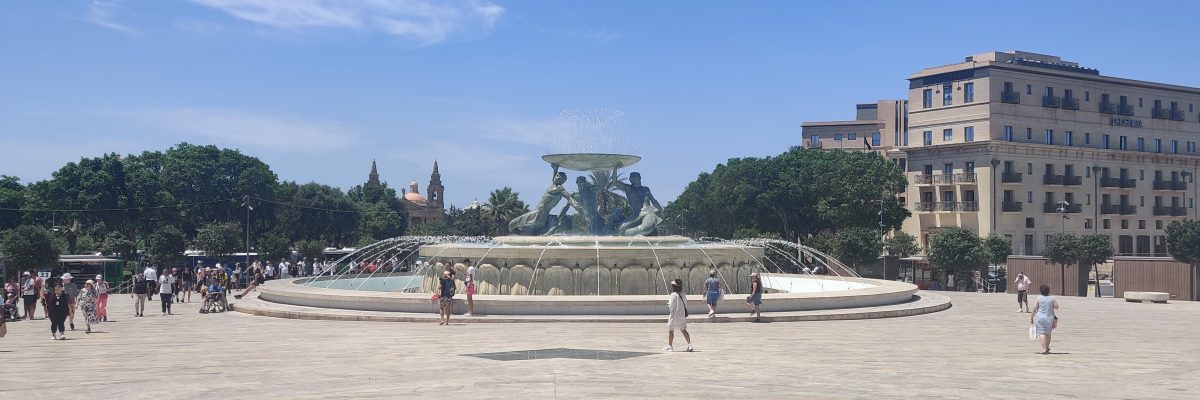
Recreating a therapeutic blue urban space: the restoration of the Triton Fountain in Valletta, Malta

Target audience

Urban planners and architects, policy-makers and local government, public health practitioners, and the public!

The problem

The presence of water features in urban environments are important for human health and wellbeing and arguably have a greater role in densely built-up environments. The lack of maintenance of fountains and public squares may cause feelings of stress and anxiety to citizens. There is currently little research that explores the connection between conservation and maintenance of water features in urban places and the relationship with people’s health and wellbeing.

What we did and why

This study draws on qualitative in-depth interviews with regards to a restoration project of a water feature which is located at the entrance of the city in Valetta, the capital city of Malta. The research explores the role of the Triton fountain and square before and after its restoration and conservation to understand its potential influence as a therapeutic blue urban space.

Our study’s contribution

Citizens find nature-like architecture of urban water features supportive for their wellbeing through:

  • Interaction that enables a connection to nature and place,

  • Managing potential stress and anxiety by providing a place to cope with an urban heat island environment, chaos, danger, noise, and pollution,

  • Aesthetic attributes and recalling memories of place before restoration which can help provide a therapeutic environment.

Impacts for city policy and practice

The findings highlight the potential of urban water features to provide a therapeutic environment for citizens. Planners and urban developers could consider the investment in restoration of architectural design of urban water features as an intervention to support citizens health and wellbeing as part of planned therapeutic blue urban spaces.

Further information

Not available.

Full research article:

Related posts

Perceptions of design professionals regarding vertical greenery in buildings – A case of Delhi

Our study provides valuable insights by examining the obstacles and viewpoints regarding vertical greenery systems in Delhi. It highlights the technical challenges as significant adoption barriers among built environment professionals. Emphasizing the pivotal role of vertical greenery in climate change mitigation, this research advocates for further scholarly investigation and evidence-based policy formulation. This deepened understanding supports the seamless integration of vertical greenery systems into urban landscapes, fostering sustainability and resilience.

Read More »

Implementing agoraphobia-responsive urban design

Discover how integrating agoraphobia-responsive elements into urban design and planning can transform public spaces into safer, more inclusive environments. This study reveals practical strategies that enhance psychological comfort and accessibility in city landscapes.

Read More »