

City Know-hows
Target audience
Municipal commissioners of cities and mayors; Actors and decision makers with responsibility for urban housing.
The problem
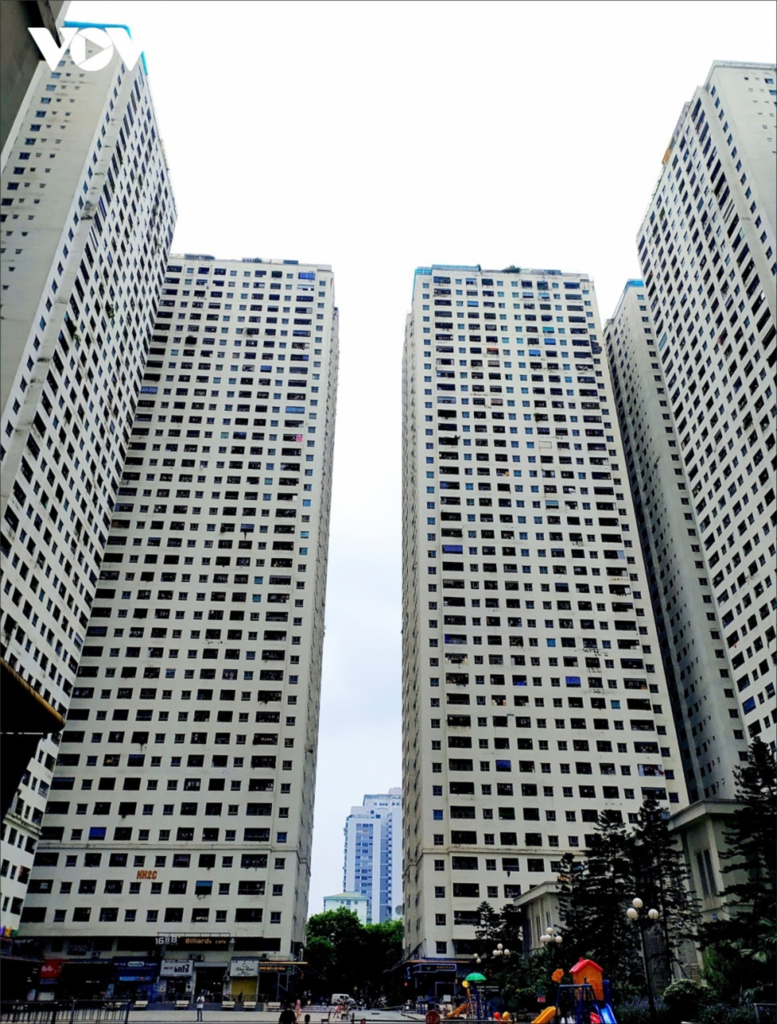
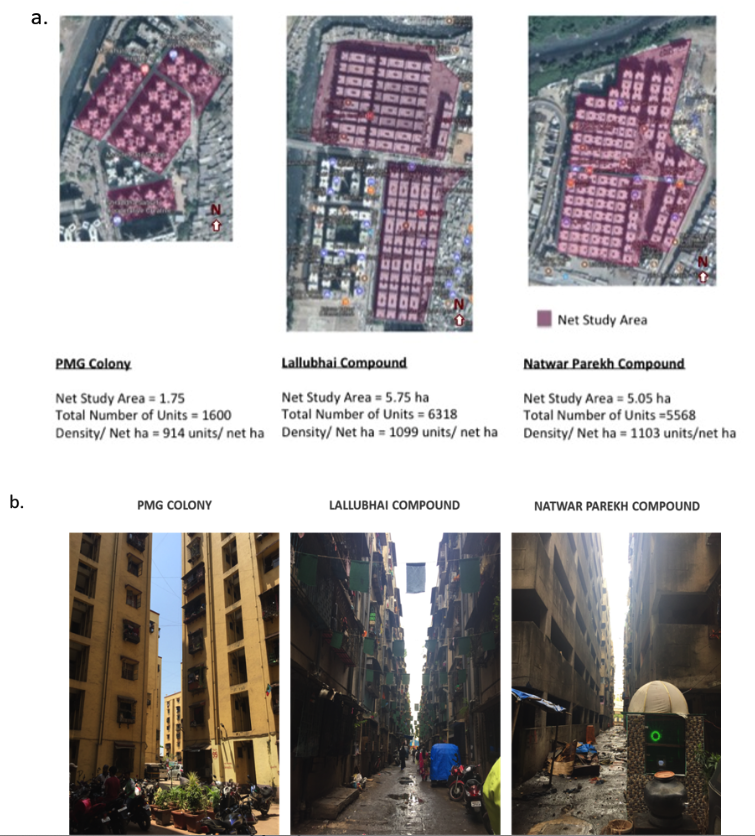
There is a concentration of tuberculosis patients in the resettlement colonies in M-East ward, Mumbai, which have poor ventilation and sunlight characteristic
What we did and why
We undertook a household survey and calculated sunlight and ventilation parameters in three resettlement colonies using computation models.
We found an association between burden of tuberculosis and poor ventilation and poor sunlight parameters.
We also reviewed guidelines for building resettlement colonies in Mumbai. We did this to demonstrate that poor policies and their execution may lead to preventable public health disasters like tuberculosis which the country is trying to fight.
Our study’s contribution
Our study suggests that design changes need to be made to make the colonies better places for tuberculosis patients to heal and to prevent the further spread of infection to family members and neighbours.
Impacts for city policy and practice
This study supports a demand for changes in policies for the building of resettlement colonies in Mumbai to reduce tuberculosis and support patients healing at home.
It also has international implications where similar living situates are created by bad architecture and poor planning.
In terms of health equity, we ask that policy makers treat the poor and underprivileged same as the rich, in terms of preparing guidelines and policies for construction of housing colonies. Our paper outlines some of the modifications to building design and practice that are required.
Further information
Peehu Pardeshi (@peehu1988), Balaram Jadhav, Ravikant Singh, Namrata Kapoor, Ronita Bardhan, Arnab Jana, Siddarth David, Nobhojit Roy
Full research article:
Related posts

We examine how caregiving-related needs remain overlooked in walkability and Transit-Oriented Development strategies. Despite high levels of urban complexity, many transit-accessible areas lack essential caregiving-support places, particularly in vulnerable neighbourhoods. This spatial mismatch limits care-engaged individuals’ ability to chain trips, and access services, reinforcing mobility and social inequities. Our research highlights the need to integrate caregiving accessibility into planning frameworks to ensure that walkable cities are also inclusive and care-supportive.

Livability is a people-oriented concept, and accurately measuring it requires a contextual understanding of what local stakeholders deem essential for making communities livable. Despite extensive research on livability indicators, most studies have taken a top-down approach, with few considering the input of the communities.