City Know-hows
Target audience
Take note: City officers, policy makers, landscape architects. Indigenous communities and people working with indigenous communities worldwide.
The problem
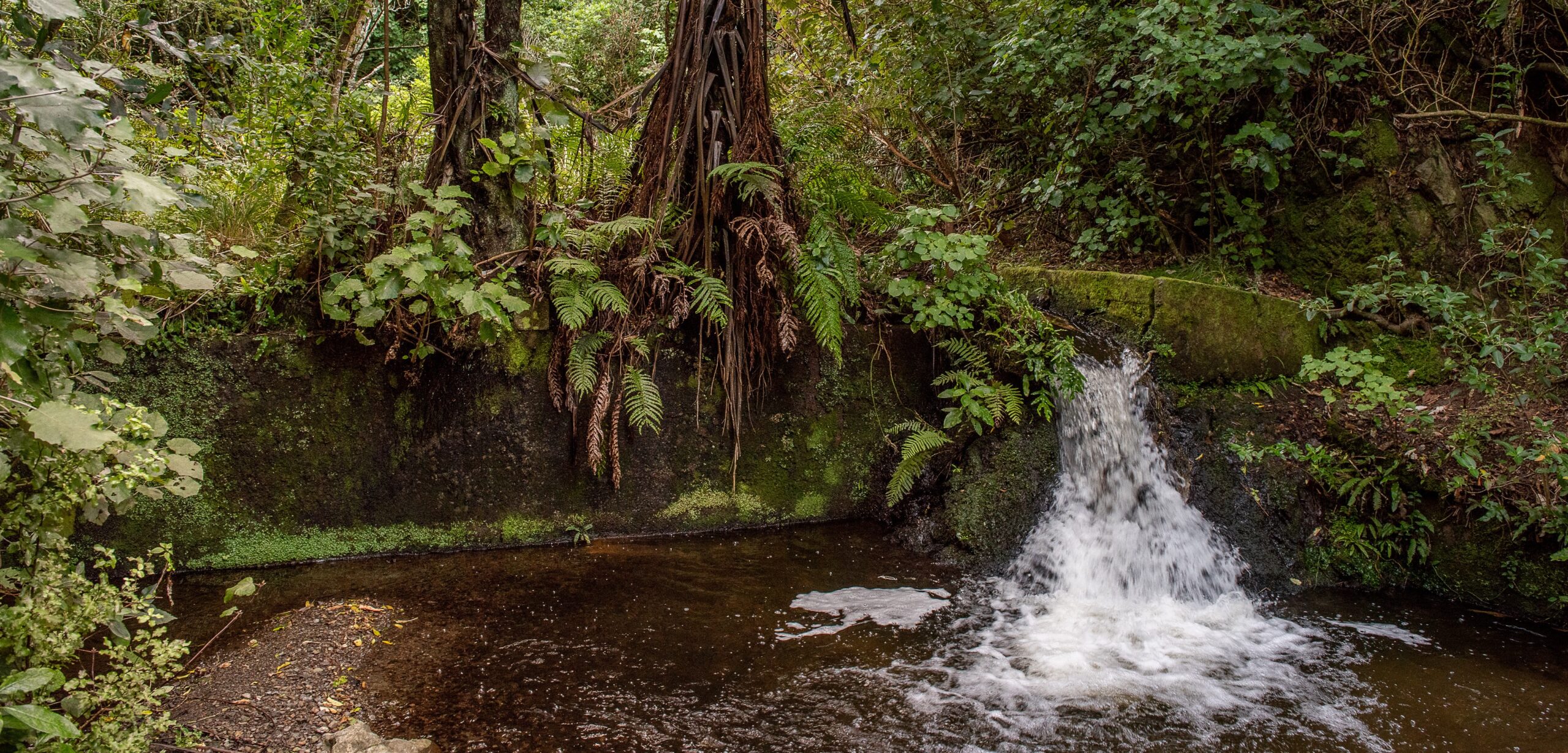
In the current context, in New Zealand, traditional, cultural and ancestral landscapes have been desecrated by growing demands from colonization, capitalism, urbanization and globalization.
What we did and why
We explored the potential for reinstating the ideologies associated with traditional indigenous knowledge and, in particular, the intricacies of interconnectedness between environments and people. We examined new ways of integrating Māori knowledge in landscape architecture and landscape design to renew and expand the concepts of belonging, identity, quality of life and place.
Our study’s contribution
This study adds to the understanding of where identity and wellbeing fit when we design for architecture or landscape architecture. It also adds to our;
The study show the importance of the consideration of traditional indigenous knowledge as a catalyst for truly understanding site context and design outcome.
Impacts for city policy and practice
Based on this study we suggest:
Further information
Full research article:
Haumanu ipukarea, ki uta ki tai: re-connecting to landscape and reviving the sense of belonging by Bruno Marques, Jacqueline McIntosh and William Hatton.
Related posts

Seven key urban health policy ideas were found in the planning of Sydney’s Western Parkland City that draw upon different ontological perspectives. This case study prompts policy actors and researchers to reflect on their own assumptions, and others’ underlying assumptions to better understand where and how collaborations should occur.

Our ‘adaptive bubble strategy’ illustrates how older adults protect themselves from virus transmission and maintain healthy living activities and psychological wellbeing with the support of the built environment during COVID-19.

Emergencies can become transformative experiences for cities: an opportunity to rethink, replan and rebuild, and to push for changes that can make them more healthy, sustainable, equitable and resilient. We interviewed 12 cities on their practical experiences with local emergencies and disasters, identifying common challenges and lessons learned for the future.