City Know-hows

Rising double burden of malnutrition in cities of Maharashtra, India

Overweight and obesity among mothers in the urban setting was twice compared to the rural. The percentage of households with an undernourished child and an overnourished mother was high in urban settings.

Share

Target audience

Stakeholders in public health such as health department for specific for women and children, NGOs working in the community for nutrition and health, and research scholars.

The problem

Very few studies have focused on double burden of malnutrition among mother-child dyads particularly in different settings. Distribution of DBM varies according to the settings. Economic growth, level of education, and lifestyle factors are key determinants for the rising trends. Disparities in level of growth and development reflects in different manifestations of malnutrition in different settings.

What we did and why

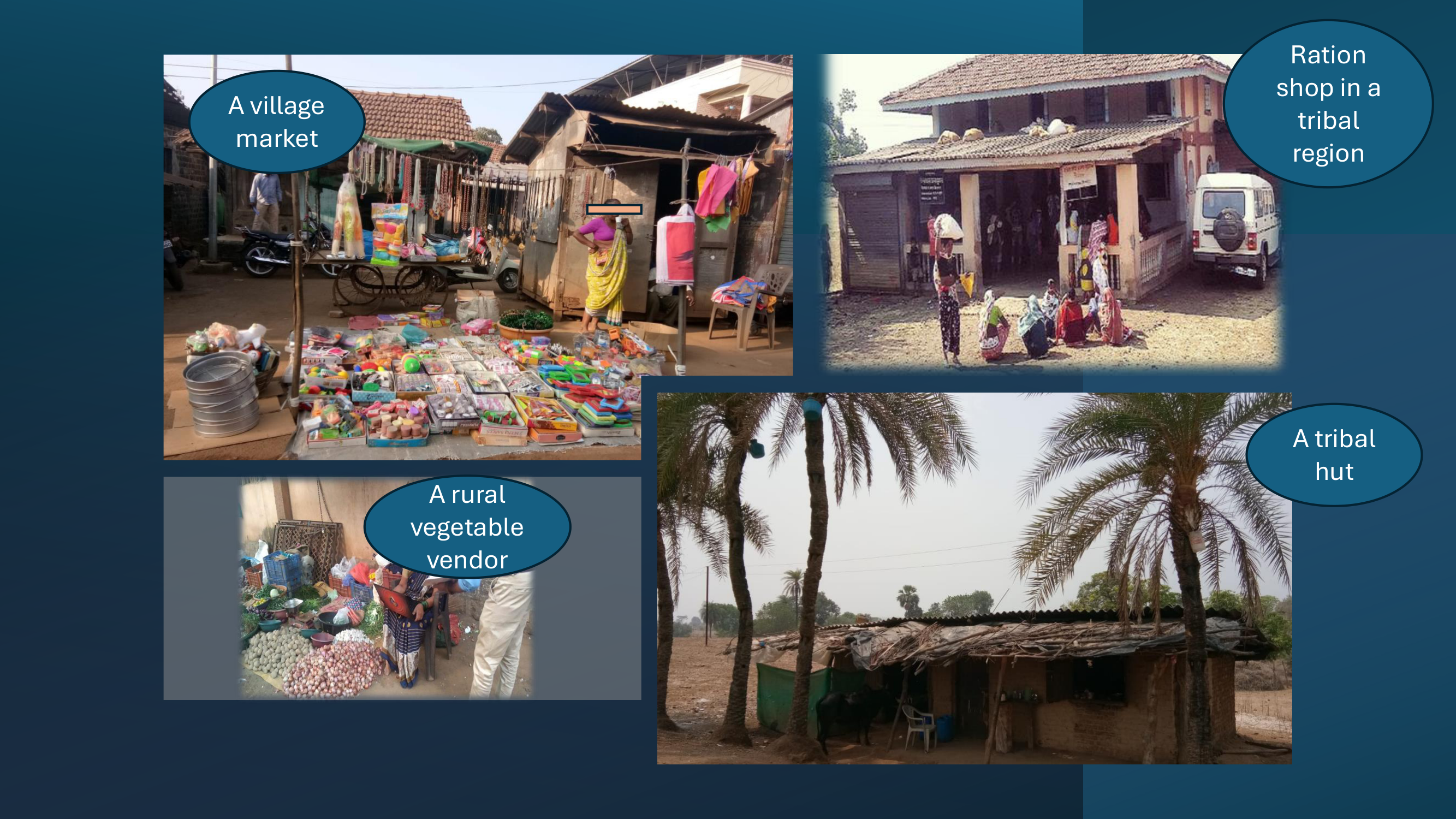
We studied women and children (295) from urban, rural, and tribal households. We compared the prevalence of double burden i.e., a household presenting an overnourished mother and undernourished child. We recruited the participants from 22 anganwadis from the above settings.

Our study’s contribution

Our study identified that the double burden of malnutrition was highly concentrated in the urban settings. This pilot study identifies:
• The urban settings need immediate interventions
• India still needs to strengthen existing programs to alleviate undernutrition in settings where undernutrition persists.
• The critical need to design setting specific novel strategies to address the double burden.

Impacts for city policy and practice

Our findings suggest the need for double-duty strategies:
• One such strategy is to emphasize appropriate infant and young child feeding practices
• Enabling food environments that are non-obesogenic
• Policies to create awareness among all sections of society groups about the choices of foods

Further information

Full research article:

Comparison of household double burden of malnutrition among mother-child dyads in different settings in Maharashtra by Angeline Jeyakumar, Swapnil Godbharle, Hema Kesa, Pranita Shambharkar, Pooja Bhalekar, Shraddha Chalwadi and Roopan George.

Related posts

Contributing factors and indicators of climate resilient and healthy cities

Through a literature review, we summarize key contributing factors of healthy, climate resilient urban environments and how these have been measured. Our study adopts a holistic approach to explore how health and climate change co-benefits could be monitored and achieved in cities. We identify indicators that have been used to measure how policies and built environments support healthy, climate resilient cities. This provides valuable insights for planning, prioritization and monitoring of cities internationally.

Read More »

Out-of-home built environment characteristics of urban heritage cores and their impact on age-friendliness

The deterioration of the built environment, as well as poor traffic and pedestrian conditions, creates obstacles to active mobility, active ageing and functional abilities among older adults residing in heritage city cores. This has negative impacts on their social inclusiveness, quality of life and well-being. The walled city, which encompasses Jaipur’s heritage neighbourhood, is one of the few planned cities in India, extending back to the 18th century, and is considered a tourist attraction. With an in-depth study, we use Jaipur’s walled city to examine how supporting a better quality of life for an ageing population can have co-benefits for the tourism economy.

Read More »