City Know-hows
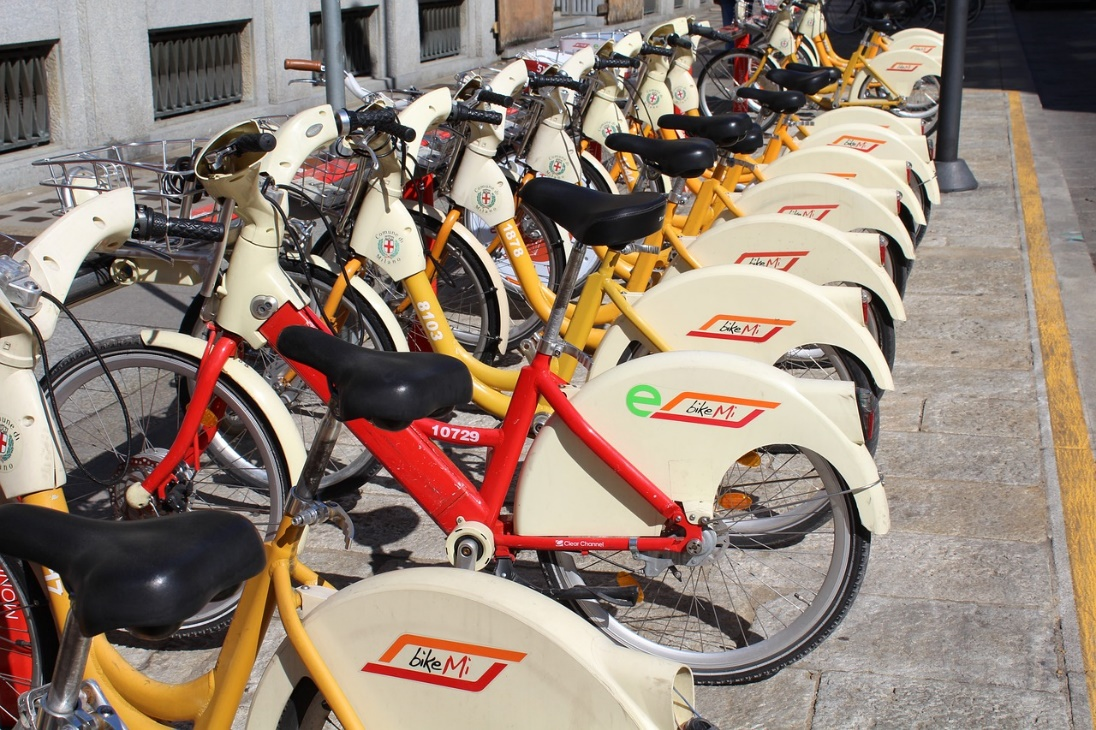
One solution to overcome barriers to mobility for residents of deprived neighbourhoods can be shared mobility hubs offering shared bikes and cars. Residents see great potential, while also raising concerns about costs, flexibility and usability in general.
Share
Target audience
Urban policy makers, urban communities, urban planners
The problem
Growing urbanisation and climate change pose major challenges to cities worldwide. Increasing motorised urban traffic leads to higher levels of noise and air pollution, an increase in sealed surfaces and a decrease in usable public and green space, which has a detrimental effect on human health and the environment. People living in socioeconomically disadvantaged neighbourhoods are also particularly affected by transport poverty, which results from limited mobility options and leads to less social participation.
What we did and why
Shared mobility hubs that offer (electric) bikes and cars can be a sustainable solution that enables people to expand their mobility options while protecting cities’ environment by reducing private car use and encouraging cycling. We interviewed residents of a deprived neighbourhood in Utrecht, the Netherlands, to understand their mobility needs and views on a recently implemented shared mobility hub in their neighbourhood, identifying potential obstacles in the process.
Our study’s contribution
We found that residents used various mobility modes, favouring cycling and walking for short distances and cars or public transport for longer trips. Key barriers to mobility in general included financial constraints and limited vehicle access. Many participants were unaware of the mobility hub and expressed concerns about costs, flexibility, accessibility, and potential liability. However, they recognised the potential of the shared mobility hub to promote transport equity if their concerns were addressed.
Impacts for city policy and practice
City policy should focus on the needs of disadvantaged populations by making public transport more affordable and accessible, simplifying routes, and creating clearer pricing schemes. Efforts to support cycling education must be expanded. Shared mobility services need wider promotion to ensure they are accessible and affordable for all. Engaging local experts and trusted community members is key to reaching often-overlooked groups, such as diverse and/or deprived neighbourhoods, and ensuring inclusive, sustainable mobility solutions.
Further information
Full research article:
OPEN ACCESS Tackling transport poverty with offers for shared mobility – a qualitative analysis on mobility needs and barriers in the context of a new mobility hub in a deprived neighbourhood by 
Justus Tönnies, Jenny Ahrens, Pia Hasselder, Pascal van Houten, Jan-Jaap van Eerten, Maddie White, Miriam Weber and Gabriele Bolte.
Related posts

Evidence overwhelmingly suggests that the built environment has an impact on people’s health, particularly in terms of noncommunicable diseases such as asthma, diabetes and poor mental health. However, health is rarely prioritised in urban planning decisions at present, and earlier work by this research group has shown that senior decision-makers feel they lack the power to influence planning and policy decisions in order to improve the situation. This intervention area adds to the wider research programme, which is focused primarily on the delivery of quantifiable socio-environmental and health economics valuations. People make decisions not just based on economic valuation, so an understanding of why people make decisions and how those decisions can change is essential. This paper describes the methodology that will be used to develop this intervention. Findings will be published later.
Australian pilot study finds a Healthy Urban Transition Tool can assess the liveability of urban environments and assist in transitioning neighborhoods towards improving the social determinants of health and health equity.
This study adds to the literature on the health impacts of lockdowns by examining longitudinal changes in the health behaviours of Australian apartment residents. Following the COVID-19 lockdown, residents reported increased walking for recreation, sleep duration, and home cooking frequency, but decreased walking for transport, greater sitting time, and weight gain. Alcohol consumption remained stable.