Restorative urban wildness for people, biodiversity and urban ecosystems health

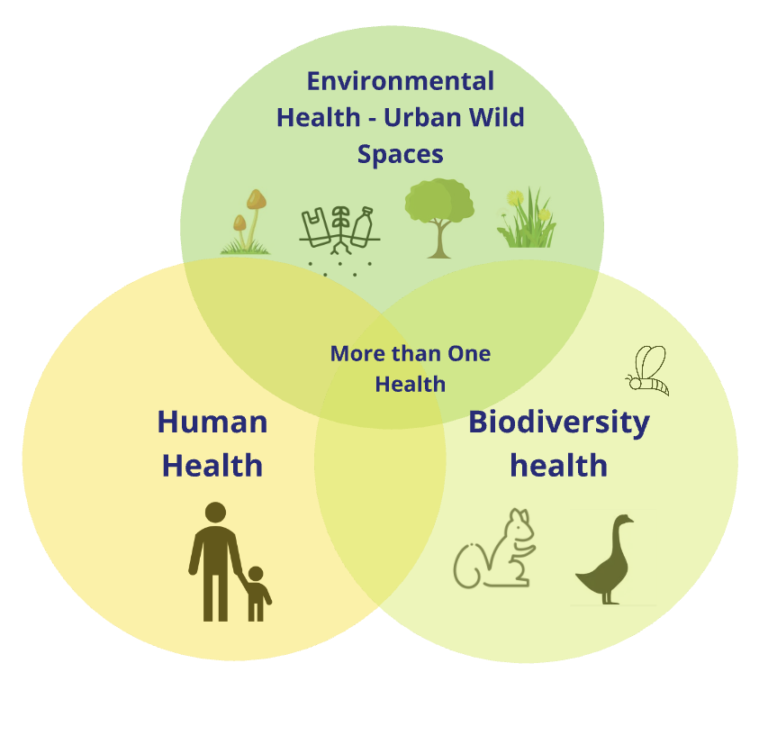
What if urban health went beyond human wellness? Through our more-than-One Health conceptualization, we explored urban wild spaces as places where the health and flourishing of humans, animals, and ecosystems intertwine. This approach provides new insights into designing cities that are not just green, wild, but interconnected as restorative habitats for human and non-human health.

Read More »

The Emerald Isle or a Green Desert? Gardens as sites for city greening 

To create cities where both nature and humans thrive, the research outlines how city gardens are interconnected with the surrounding countryside and coast. A hands-on approach is needed to bring more nature into gardens through combining disciplines such as 1) environmental psychologists (unearthing different types of gardeners) 2) the horticultural industry (the know-how) and 3) the marketing/advertising industry (the storytellers). Aggregated actions of domestic gardeners could help policy-makers push for improved biodiversity restoration.

Read More »

Wild Ways: influencing ‘rewilding’ behaviour in urban gardens

We reviewed the existing research on influencing rewilding behaviour by city residents in their gardens. We used a behaviour-change model to identify intervention and policy strategies that affect residents’ rewilding behaviour. We found that all intervention and policy categories were effective, requiring action across many organisations and areas to drive change.

Read More »

How much research is there on environmental exposures and cognition?

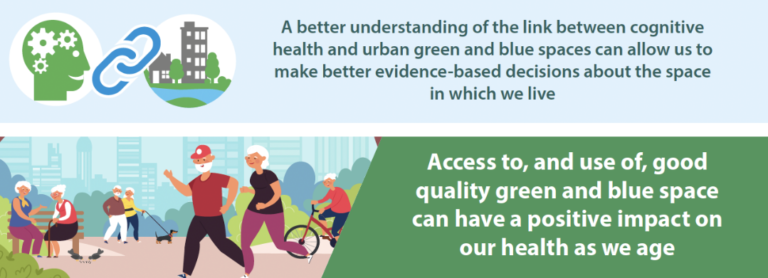
It is known that environmental exposures can have negative effects on brain health. We reviewed all the literature examining the effects of environmental exposures on cognitive health. There is a paucity of research on the effects of urban planning, particularly regarding things like active travel and green space accessibility.

Read More »