

City Know-hows
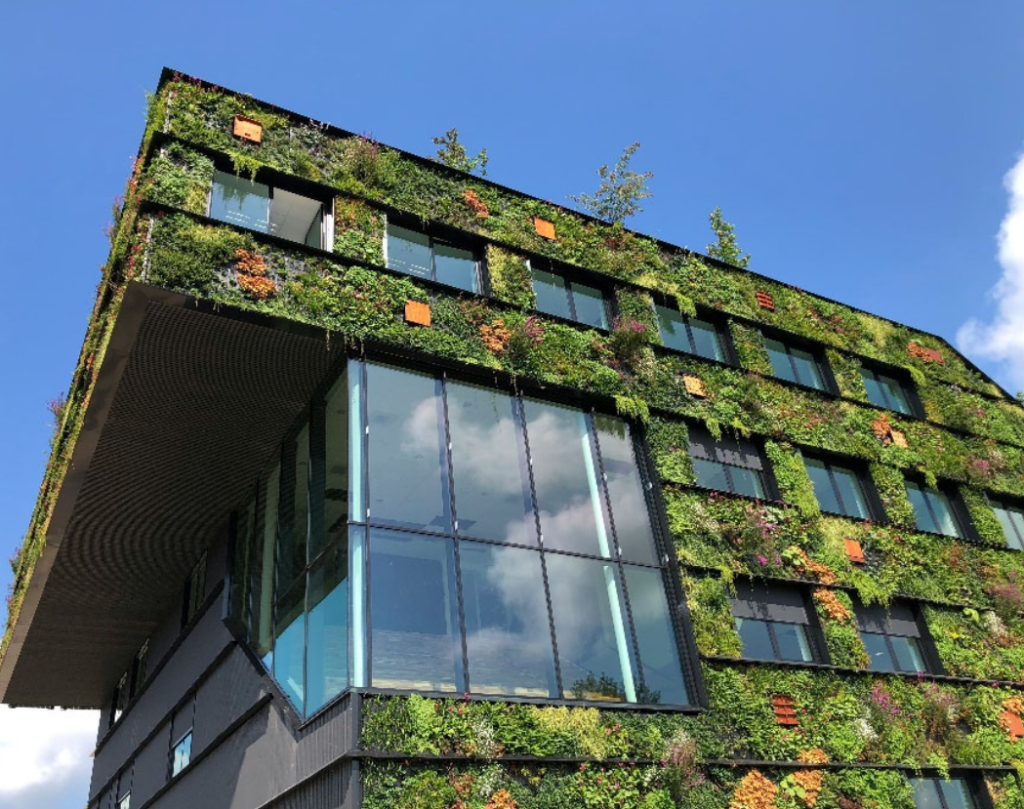
Integrating green spaces into urban planning is crucial for public health. This framework guides cities in evaluating and optimizing their green space strategies to promote health and sustainability, aligning with WHO’s Healthy Cities initiative.
Share
Target audience
Urban planners, policymakers, city officials, public health professionals, and international development organizations involved in urban health and sustainable city planning. Specifically, Specialists at the World Bank Urban, Disaster Risk Management, Resilience and Land Global Practice (GPURL), Officials at the World Health Organization’s Urban Health Initiative, and Policy Advisors at the United Nations Human Settlements Programme (UN-Habitat).
The problem
The World Health Organization’s Healthy Cities initiative encourages the integration of health considerations into urban planning, particularly through the enhancement of green spaces. However, the lack of a robust, standardized framework for evaluating these interventions has led to inconsistent results among participating cities. This gap hinders cities from fully leveraging green spaces to improve public health, highlighting the need for a comprehensive evaluation tool that can guide effective implementation and monitoring.
What we did and why
We developed a Multi-Criteria Evaluation framework to assess the effectiveness of green space interventions within the context of Healthy Urban Planning. This framework was designed to address the lack of standardized tools for evaluating how green spaces contribute to public health goals, particularly in cities participating in the WHO’s Healthy Cities initiative. By providing a systematic approach, our framework helps cities optimize their green space strategies to improve overall urban health and sustainability.
Our study’s contribution
Our study introduces a comprehensive Multi-Criteria Evaluation framework specifically tailored for assessing green space interventions in urban areas. It fills a critical gap by offering a standardized tool that urban planners and policymakers can use to evaluate and optimize green spaces with a focus on public health outcomes. The framework supports evidence-based decision-making, enabling cities to better align their green space initiatives with the WHO’s Healthy Cities objectives, ultimately enhancing urban health and sustainability.
Impacts for city policy and practice
Cities need a structured approach to assess and optimize the use of green spaces within urban environments. Implementing this Multi-Criteria Evaluation framework will allow cities to systematically monitor and evaluate their green space strategies, ensuring alignment with the Healthy Cities initiative. This will lead to better-informed policy decisions, more effective resource allocation, and enhanced public health outcomes, ultimately contributing to more sustainable and resilient urban communities.
Further information
Full research article:
A multi-criteria evaluation framework for assessing green space interventions through a healthy urban planning approach by Carolina Mayen Huerta, Wenjing Zhang, Alex Nurse and Tom Clemens.
Related posts

Odour pollution impacts our mental and physical wellbeing without being noticed very often – bad smells can have a negative impact on how we think and feel. Bad odour can affect our work and home environments in a negative way so why don’t we take it more seriously?

We conducted a citizen science project to engage with current residents in higher density residences in Northern Sydney to explore the positive and negative aspects of their lived experiences on their health and wellbeing. Together, we identified the elements that residents of these communities value as well as those with potential negative impacts that could be mitigated through good planning and design.

We wanted to understand the types of gardening for wildlife taking place in London’s private gardens and the influence of demographic factors on the likelihood to garden for wildlife. We sent out a digital questionnaire to ask Londoners about their gardening for wildlife practices and their age, gender, ethnicity, religious beliefs, occupation, household income, accommodation type, home ownership status, garden type, shared garden or not, dependents, and conservation-organisation membership status.