
City Know-hows
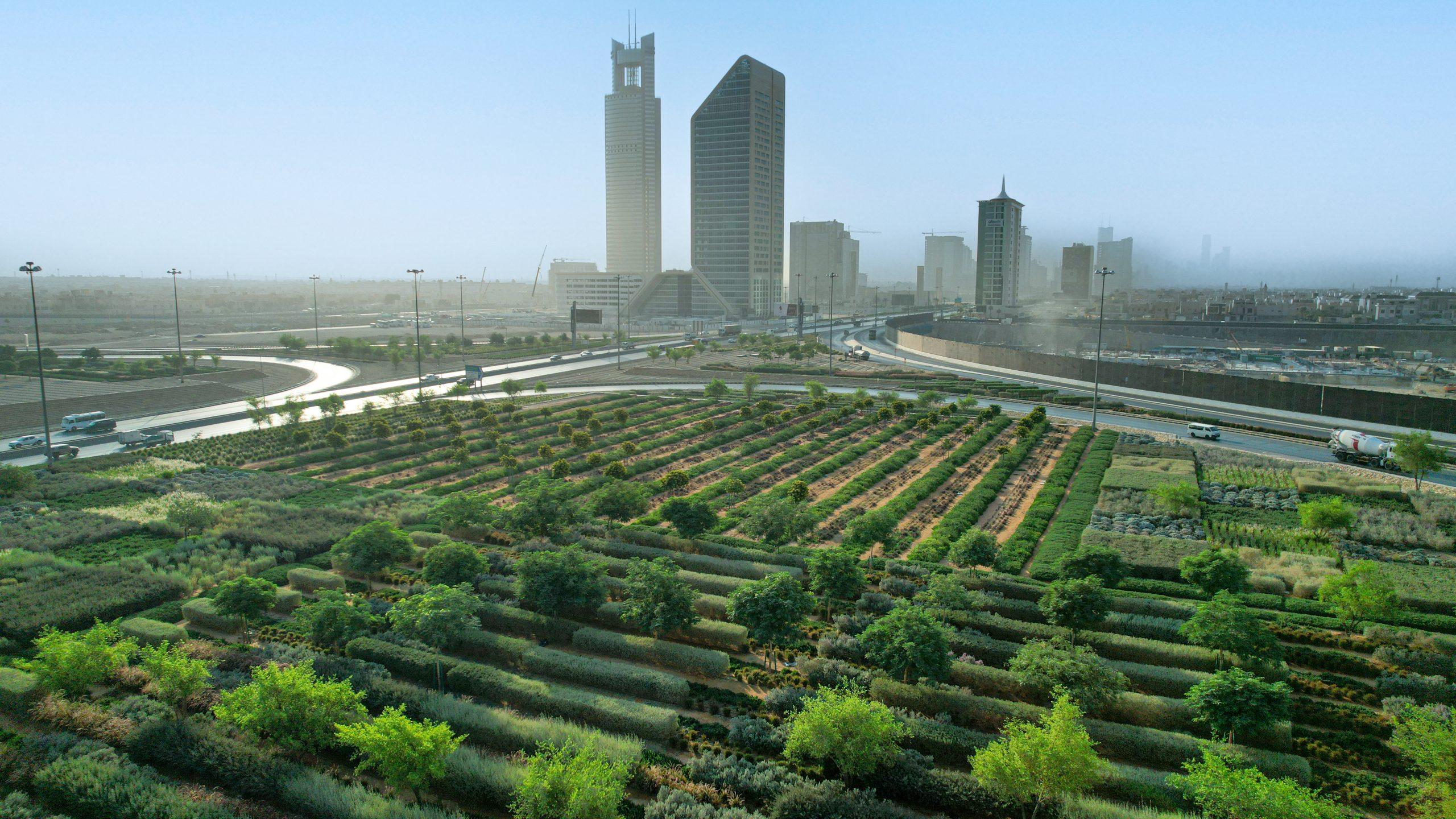
Rapid urbanization in Saudi Arabia poses threats to both climate and public health. This study highlights practical strategies – like green infrastructure and sustainable transport – that can help cities become healthier, more resilient, and better equipped to address future environmental and social challenges.
Share
Target audience
Urban planners, public health officials, and city-level sustainability policymakers in Saudi Arabia and other rapidly urbanizing regions globally.
The problem
Saudi Arabian cities are growing rapidly, and this urbanization is putting pressure on public health and the environment. Many of these cities are not yet equipped with the infrastructure or planning strategies needed to mitigate climate change impacts or promote community well-being. Without immediate action, this growth will increase health risks and environmental degradation.
What we did and why
We conducted a critical review of international city projects that addressed the health and climate challenges of urbanization. Our aim was to explore whether Saudi cities could adopt similar approaches. We focused on solutions like green spaces, sustainable transport, and community health programs to see how they might apply to the unique context of Saudi Arabia.
Our study’s contribution
We found that Saudi cities can take action by:
– Expanding green infrastructure to cool cities and promote physical activity;
– Investing in public transport to reduce pollution;
– Launching public health campaigns tailored to urban needs.
We also highlight the importance of strong urban planning and engaging citizens in co-creating solutions.
Impacts for city policy and practice
City leaders should prioritize sustainable and health-oriented urban design in development strategies. We recommend pilot projects that demonstrate the value of green and walkable neighbourhoods, integrated public transport systems, and public health campaigns that address climate-linked risks. These steps can help cities in Saudi Arabia meet Vision 2030 goals while improving citizens’ quality of life. Other cities that are experiencing rapid growth and urbanization can learn lessons too from our study.
Further information
Full research article:
Pathways towards sustainable and healthy cities in Saudi Arabia by Abdulaziz I. Almulhim
Related posts

I use the travelogue methodology to investigate urban health and sustainable development in relation to the Mekong River in northeastern Thailand, revealing new insights and bringing travel to urban areas near the river into knowledge production.

Why only plan for children’s play in cities? Play could support the health and wellbeing of older adults. Let’s reimagine age-friendly planning with play in mind.

We explored the factors that can encourage walking and cycling to school from the adolescents’ perspective, considering individual and built environment factors as well. Travel mode selection, companionship, desired mobility autonomy, and perceptions of pedestrian and cyclist safety regarding traffic were relevant and interconnected.