
City Know-hows
We compared the food behaviours of house residents and apartment residents, and apartment residents by characteristic. We found significant differences in meal purchasing behaviours and consumption of fruit and vegetables, which have short- and long-term implications for dietary health.
Share
Target audience
Urban leaders, built environment and health professionals
The problem
Food behaviours are associated with diet quality, a major risk factor for chronic disease. With the projected increased proportion of the Australian population living in apartments, it is important to understand whether dietary habits of apartment residents differ to those of house residents, and further whether there are apartment typologies associated with differences in food behaviours.
What we did and why
We used data drawn from a nationally representative Australian household panel survey completed by apartment residents. We compared the meal purchasing behaviours and consumption of fruit and vegetables between distinct groups. House residents were compared with house residents, and within the sample of apartment residents, these outcomes were compared by block height and number of bedrooms.
Our study’s contribution
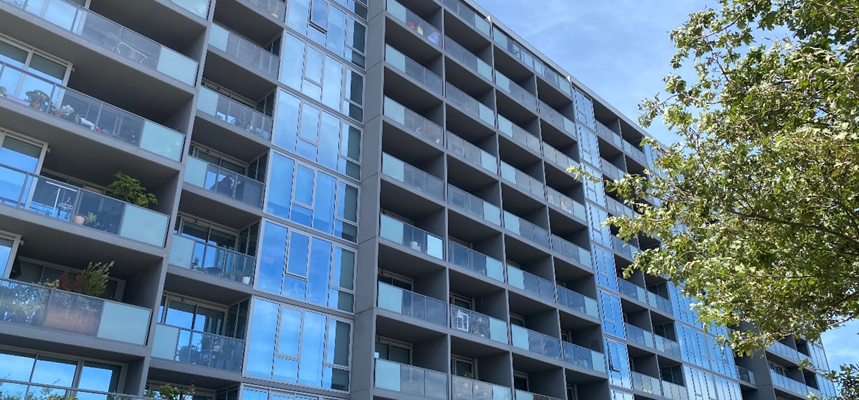
Our findings contribute novel quantitative evidence that the food habits of different housing typologies differ. Apartment residents, particularly in high-rise blocks and smaller apartments, reported less favourable dietary patterns. These differences have important short- and long-term implications for the dietary health of apartment residents.
Impacts for city policy and practice
These findings emphasise the need for coordinated planning policies and housing design standards that together, support healthier food behaviours for apartment residents, in Australia and globally.
• Urban planning guidelines to encourage a balanced and accessible food environment with healthy, affordable, and culturally appropriate food options.
• Design features of apartments that support healthy food behaviours
Further information
Full research article:
[OPEN ACCESS] Tall orders: a comparison of resident food behaviours by dwelling type and apartment characteristics in Australia by Joelie Mandzufas, Siobhan Hickling, Kevin Murray, Sarah Foster & Gina S. A. Trapp
Related posts

Providing access to greenspace is insufficient in ensuring that positive benefits are realised. Critical characteristics may distinguish between those spaces that encourage people to visit them and those that are uninviting. This article provides a case study of a residential urban extension in one of the UK’s ‘Healthy New Towns’.

Dystopian frameworks portend the future. With climatic upheavals increasing, dystopia is now. Because of escalating urban heat and heat-related illness and death, this essay speculates a future that switches daily activities into the coolness of night: Noctopia.

Health impact assessments are a key tool to bridge the worlds of planning and health, but there’s a risk they become a ‘tick box’ exercise with little real-world benefit. Learning from recent practice in English local authorities can help maximise their effectiveness in producing healthier developments.