
Collaboration for healthier urban development

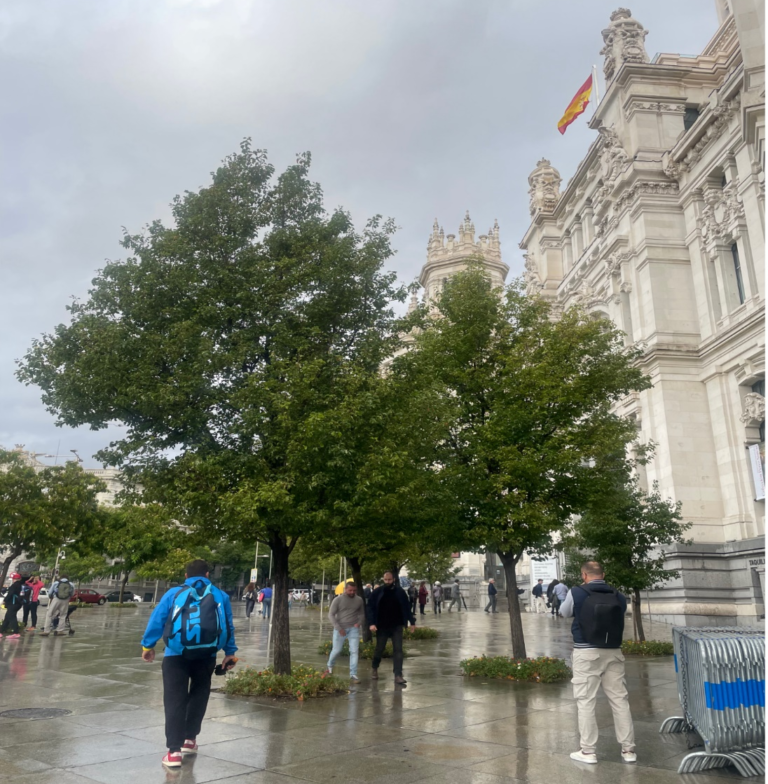
Health evidence could be used more effectively to influence healthier urban development. We learn from a researcher-practitioner collaboration, involving an embedded researcher in local government working on a regeneration project, which helped to develop a new health modelling tool for environmental change and influence decision-making.

Read More »

The impact of apartment design on changes in housing satisfaction during the COVID-19 pandemic lockdown

Our study investigated whether apartment dwelling and building design attributes influenced residents’ housing satisfaction in the initial stages of the COVID-19 pandemic. Multivariate models showed that residents’ perceptions of their apartment’s internal space and layout and the thermal comfort it afforded them in winter were independently associated with increased housing satisfaction.

Read More »

The hidden burden of traffic crashes

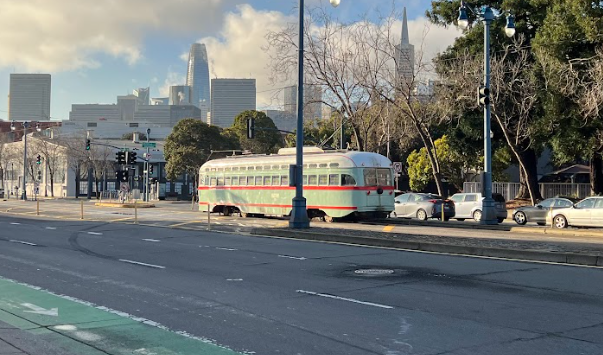
The high risk of death and disability from being struck by a car is unevenly distributed geographically and socially. Our analytics reveal a troubling pattern in that people from Black and Latino neighbourhoods facean especially high risk of crashes, both near and far from home.
Vision Zero leaders in the hundreds of participating cities across the world in planning departments, nonprofits, and community groups need to look at our approach.

Read More »

A city in need: Analyzing the ongoing dilemma of open defecation in Delhi

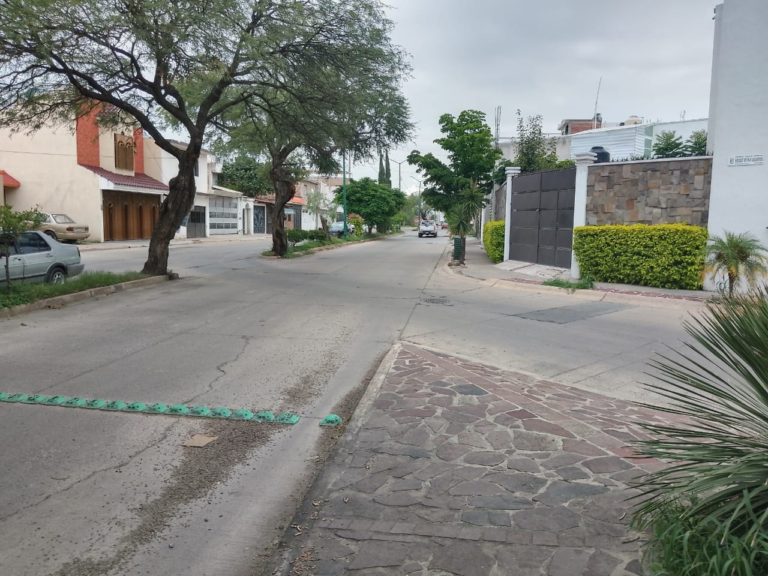
Unveiling the hidden truth behind open defecation in Delhi, this study exposes the role of infrastructural incapacity and institutional failure. With 80% of surveyed households’ still practicing open defecation, the findings underscore the urgent need for comprehensive policies to address the inadequacy of public and household facilities, water availability, and coordination among governmental bodies.

Read More »