

City Know-hows

Regaining public space for children: a locally developed parent-led play street in Paris

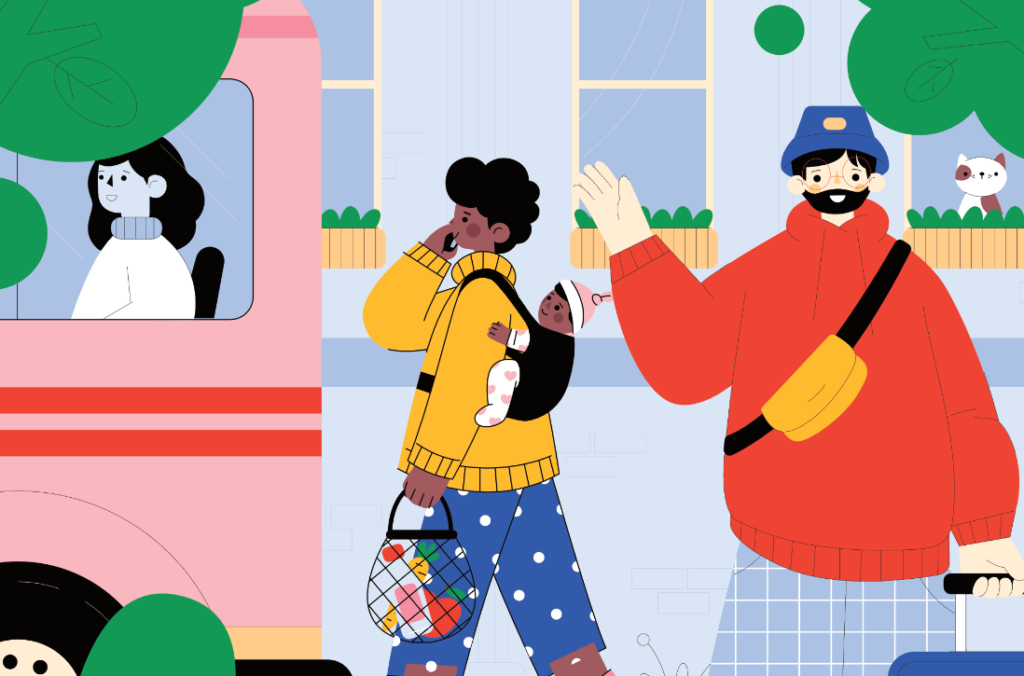
Play streets are gaining popularity in cities as a way for local communities to regain public spaces for children (and adults) to play, move about freely and socialise. Illustration: Odélia Kammoun

While play streets have proliferated globally, most are “one off” events, without a long-term neighbourhood presence. We identify key contextual elements that facilitated the local development of a long-standing play street in Paris, France aiming to regain public space for children. These contextual elements can be useful to other localities wishing to develop their own play street.

Share

Target audience

Mayors, urban planners, play associations, local associations interested in childhood and outdoor activities. Parents.

The problem

Play streets are gaining popularity around the world. In French cities, more and more residents and local associations wish to develop play streets. One-off play streets are especially popular to introduce residents to the concept of a play street. However, there is little research outlining the key contextual elements for developing long-term or recurring play streets; these confront different obstacles than one-off play streets and require different efforts from those developing the play street.

What we did and why

I conducted interviews, observations and took photos to analyse a locally developed, long-standing play street in Paris. I learned about the creation of the parent collective, its values and ambitions, networks and collaborations developed, and knowledge mobilized for the play street. I learned about opposition to the project, how this was confronted, and how legitimacy and political support was gained over the years. These elements are critical for understanding how a play street becomes established.

Our study’s contribution

This study adds information about how contexts surrounding a play street can promote its development.
1) Collaborating with play associations, mobilizing knowledge about play, activating local networks, receiving initial funding all promoted legitimacy, acceptance and confidence in the play street. This was critical to launch the play street.
2) Local priorities and strong leadership promoted enthusiasm among local families and commitment to the project, concretizing political support and helping the play street endure over time.

Impacts for city policy and practice

City policy and practice can help play streets develop and succeed, through;
• facilitating collaborations between play street leaders and play associations, helping create local networks and allocating initial funds. This can impact the acceptance, legitimacy and confidence in a play street project, making it more likely to launch and be successful.
• orienting local priorities to align with play street philosophy and politically supporting the play street leadership to encourage local enthusiasm and commitment to the project

Further information

Full research article:

Related posts

Young autistic adults walk like seniors aged 65 and over

Our study shows that young autistic adults and older adults face similar patterns with walking, particularly at night or for leisure activities. These findings highlight a very poor health prospects for autistic adults as they age due to lack of physical and social activity. These findings underscore the need to rethink urban spaces for diverse needs. By identifying these patterns, we provide a foundation for creating urban environments that are more inclusive, accessible, and supportive of sustained physical activity and better health outcomes for autistic individuals as they age.

Read More »