

Benches for connection: Simple urban design to fight loneliness

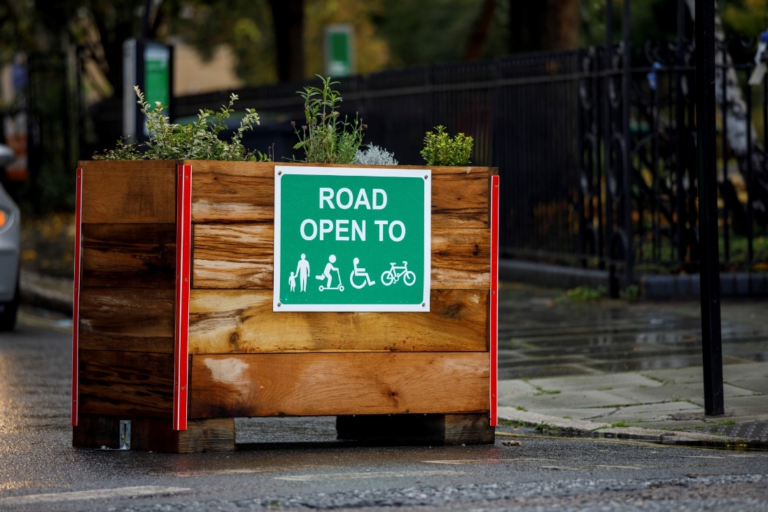
My study shows that simple ‘Happy to Chat’ benches successfully encourage spontaneous conversations, leading to positive feelings and new social connections. I found these benches can:
• Create welcoming spaces for casual and meaningful interactions.
• Promote emotional well-being and social bonding.
• Act as a subtle ‘social nudge’ to encourage interaction.

Read More »

Exploring the restorative and social value of urban running environments as third places, Manila, The Philippines

We asked runners across Metro Manila to rate their usual running spots, not just based on convenience or safety, but on how these places make them feel. Do they offer a sense of community? Do they reduce stress? Can people connect with others there, even informally? These questions are rooted in the idea of “third places”, spaces that are neither home nor work but still feel like a meaningful part of daily life.

Read More »

Healing landscapes: The role of urban greenery in rebuilding cities

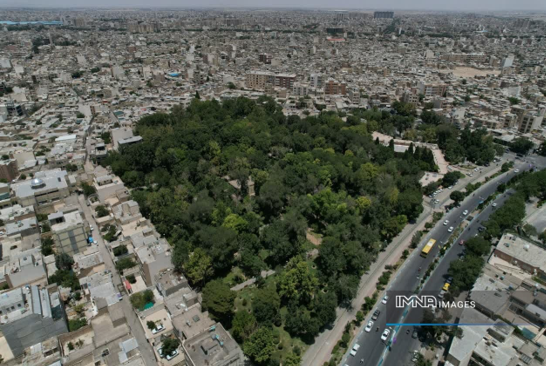
In the aftermath of conflict, cities prioritize reconstruction, but green spaces often get left behind. This study delves into how residents of post-conflict cities engage with urban parks, providing valuable knowledge for decision-makers to unlock the full potential of these green havens for social cohesion and well-being.

Read More »

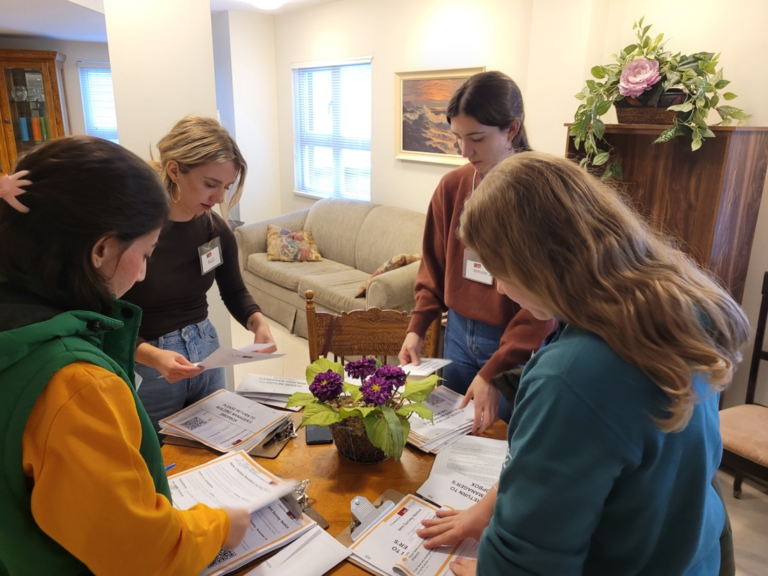
What are residents’ lived experiences of higher density living and impacts on health and wellbeing?

We conducted a citizen science project to engage with current residents in higher density residences in Northern Sydney to explore the positive and negative aspects of their lived experiences on their health and wellbeing. Together, we identified the elements that residents of these communities value as well as those with potential negative impacts that could be mitigated through good planning and design.

Read More »

Policy challenges and best practice to designing-in play in cities, a study from the UK

This study contributes to the broader discourse on urban design for children, offering insights into how cities can create more inclusive, engaging, and health-promoting environments. It supports and adds to existing literature, finding that the alignment of play initiatives with public health goals, and strong collaboration between local government departments are effective in supporting children’s play on the strategic level. It identifies barriers to play in policy, namely budget constraints and deprioritisation of play.

Read More »

Place-based well-being: The impact of neighbourhood aesthetics on physical activity, stress levels, and obesity in school children

Urban environments in many cities, both those found in Mexico and many other countries, can be called obesogenic – they are prone to promote obesity. Relevant factors are that they foster sedentary behaviour, poor dietary choices, and elevated stress levels; thus contributing to higher obesity rates. Urban planning, design, and practices offer opportunities for upstream public health interventions to mitigate these negative health impacts. These findings are especially relevant given the role of neighbourhood environments in encouraging children’s physical activity and reducing obesity.

Read More »

A holistic perspective in health-supportive design of future homes as informal offices

The expected rise of working from home after the COVID-19 pandemic necessitates a deeper understanding of the cause and effect of home environment on physical, mental, and social health. Existing research primarily focuses on physical and psychological health, with less attention given to social health. Incorporating social health is emphasized by various researchers during the pandemic. Moreover, the interconnected nature of health components suggests the possibility of mediation, requiring a model selection to represent the working from home situation.

Read More »