
City Know-hows
Discover how local environments shape resident well-being. Our study reveals the profound impact of physical and social neighbourhood features on adults’ quality of life. Uncover the key elements that make a community thrive and their implications for urban planning and policy.
Share
Target audience
Urban planners and policy makers; public health workers and officials; community leaders and local organizations.
The problem
Rapid urbanization raises questions about the quality of life in cities. we noticed a lack of understanding of how neighborhood environments affect residents’ well-being. Our study explores this gap, focusing on both physical and social neighborhood characteristics and their impact on the health-related quality of life.
What we did and why
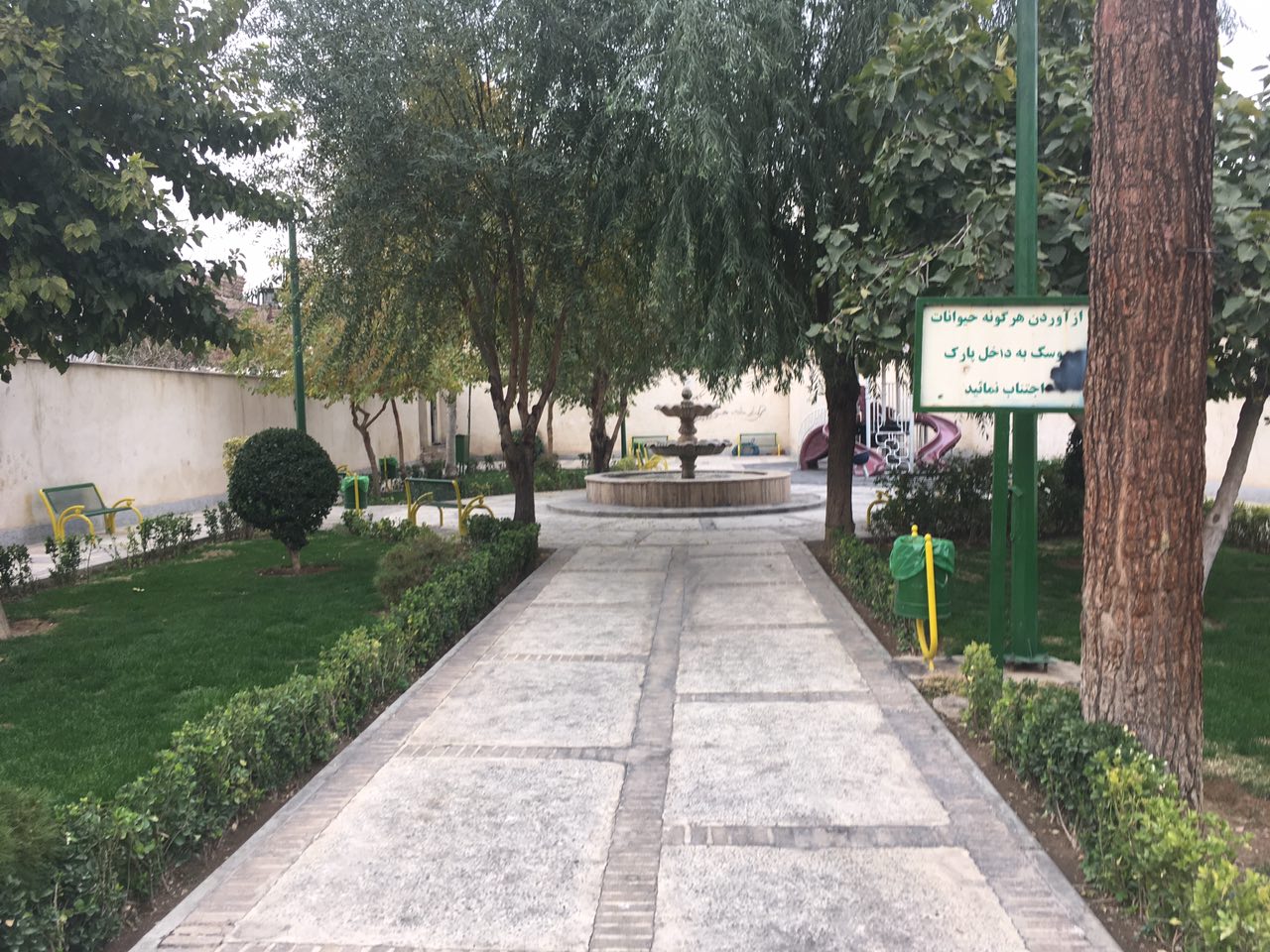
We surveyed 393 adults in one of Tehran’s neighbourhoods, assessing their perceptions of local social and physical environments. Using WHO’s Quality of Life–Brief Form, we correlated these perceptions with their health-related quality of life. This approach aimed to understand the specific neighbourhood features that most influence residents’ well-being.
Our study’s contribution
Our study offers a comprehensive understanding of how neighbourhood dynamics influence residents’ quality of life. Specifically, it:
• Reveals that residents show better environmental health compared to their social and psychological health.
• Highlights the importance of accessibility, community participation, and neighbourhood satisfaction.
• Demonstrates a strong link between the availability of neighbourhood amenities and overall well-being.
• Provides new insights into the urban context of a Middle Eastern city, contributing to a globally diverse understanding of urban living.
Impacts for city policy and practice
Our study not only underscores the importance of thoughtful urban design, but also advocates for strategies that enhance the livability and cultural richness of neighbourhoods, such as:
• Emphasizing the development of accessible, well-amenitized neighbourhoods.
• Fostering community participation and a strong sense of neighbourhood satisfaction.
• Informing urban planning and policy with a focus on both physical and social aspects of neighbourhood design.
• Addressing the unique cultural and historical contexts of neighbourhoods in urban development strategies.
Further information
Full research article:
Health-related quality of life and perceptions of neighborhood physical and social environment in Tehran, Iran by Shadi Omidvar Tehrani, Jessica Perkins and Douglas Perkins.
Related posts

Public open spaces (e.g., parks, sports fields) are important for people to be physically active. However, previous studies, mostly conducted in Western countries, show that people are predominantly sedentary in such spaces. We found that public open space users were more active in Asia, suggesting a potential contribution of such spaces to people’s health.

This study contributes to understanding the intersection of regenerative planning principles and legal frameworks. It identifies the extent to which Turkey’s urban planning legislation aligns with regenerative principles, highlights key gaps in the current system that restricts the integration of regenerative approaches and provides insights that can inform urban planning practices and legislative reforms globally.

Older adults exercised less during COVID-19. Covid-related built environment modifications such as one-way walking systems and social distancing may have made physical activity more difficult.