City Know-hows

Walkability and Safety: How neighborhoods influence older people’s walking in Brazil

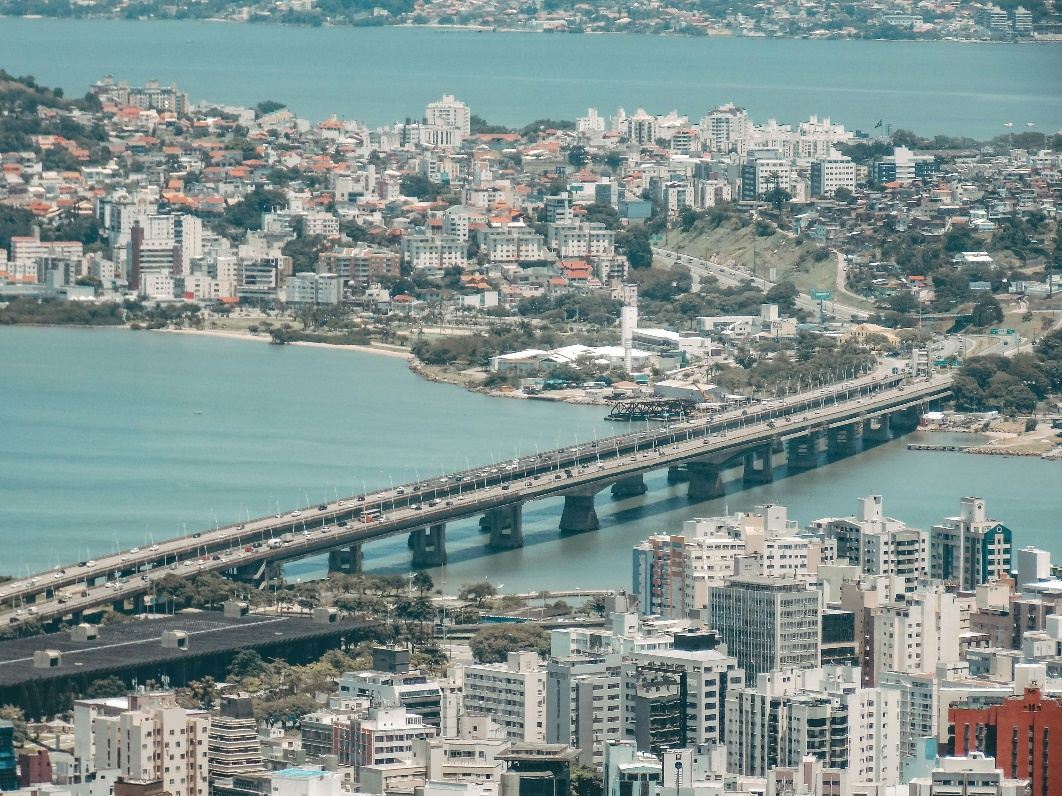
Photo by Claiton Conto

Walking around the neighborhood is good for older adults health, but the way older adults perceive their surroundings can affect this behavior. This topic has been discussed for some time in high-income countries. There, it is observed that older adults who live in neighborhoods with high residential density, diverse land use, good road connectivity, access to public transport, pleasant aesthetics, security against crime and traffic, presence of recreational facilities, infrastructure for pedestrians and cyclists, green spaces and visible parts of the sky are more likely to walk, whether for utilitarian or recreational purposes. On the other hand, in Latin American countries such as Brazil, where there is a significant increase in the older adults population and challenges related to urbanization and social inequalities, the relationship between the characteristics perceived of neighborhoods by the older adults and walking behavior is still unknown.

Share

Target audience

Local and intersectoral initiatives, with active involvement of the community, public health researchers and decision-makers in the development of action plans (urban planners and public policy makers). Communities participating in conferences, health councils.


The problem

What types of neighbourhoods are perceived by Brazilian older adults and how does this relate to walkability? Is the perception of the neighbourhood influenced by sociodemographic characteristics of the older adults? How does the type of neighbourhood influence the practice of walking for transport and leisure among the older adults?

What we did and why

Between 2017 and 2019, we interviewed 1,265 older adults (age ≥60 years; 60.7% women; mean age 73.4 years) from the EpiFloripa Aging Study in Florianópolis, Brazil. We assessed walking for transport and leisure using the International Physical Activity Questionnaire and perceptions of neighbourhood characteristics (mixed land use, infrastructure, aesthetics, traffic-related safety, and crime) using the Abbreviated Neighborhood Environmental Walkability Scale (A-News). A latent class analysis was used to derive neighbourhood types.

Our study’s contribution

The combination of perceived neighbourhood environmental attributes allowed for the identification of five types that varied in their support for walking. In neighbourhoods less supportive of walking, less privileged groups were predominant, but the feeling of safety encouraged leisure walking. Conversely, in neighbourhoods with a greater number of positive attributes, in addition to bringing together socially younger individuals with higher socioeconomic status, they also increased the chances of walking for transport.

Impacts for city policy and practice

The types of neighbourhoods we found are not formed randomly, so decision-makers must be careful to adopt measures capable of not only transforming local infrastructure, but also promoting healthy lifestyles, especially among the most vulnerable groups.

To mitigate inequalities in certain urban areas and facilitate daily walking among older people, the construction of accessible, structured and predictable urban environments appears promising. Therefore, local and intersectoral initiatives, such as carrying out case studies in the areas most in need and the active involvement of the community, public health researchers and decision-makers in the development of action plans (urban planners and public policy makers), can be beneficial. Furthermore, greater community participation in conferences and health councils can be a valuable resource to promote dialogue between civil society and policymakers to respond to the real needs of the population.

Further information

Full research article:

Typologies of perceived neighborhood environmental attributes and walking in older adults in Brazil: a latent class analysis
by Carla Elane Silva dos Santos, Gabrielli Thais de Mello, Inácio Crochemore Silva, Eleonora d’Orsi & Cassiano Ricardo Rech

Related posts

Comparative analysis of urban sprawl drivers and impacts across the globe with a special focus on Asian Cities

This comparative study of 10 cities across the globe aims to understand the major factors that drive the sprawl conditions and their impact on the outer edges of the cities. Land is a very potential natural resource that has been exploited over the past few decades. Migration of people in search of better living conditions has led to the formation of cities, which are deemed to provide better quality of life. However, the rate of influx has become very high, leading to saturation in cities and forcing people to move towards the outskirts.

Read More »

Place-based well-being: The impact of neighbourhood aesthetics on physical activity, stress levels, and obesity in school children

Urban environments in many cities, both those found in Mexico and many other countries, can be called obesogenic – they are prone to promote obesity. Relevant factors are that they foster sedentary behaviour, poor dietary choices, and elevated stress levels; thus contributing to higher obesity rates. Urban planning, design, and practices offer opportunities for upstream public health interventions to mitigate these negative health impacts. These findings are especially relevant given the role of neighbourhood environments in encouraging children’s physical activity and reducing obesity.

Read More »

Urban biodiversity helps with mental well-being, but we need to take more notice of it

As urbanisation continues globally, the interest in urban green space as a provider/supporter of mental well-being is still growing. The question has largely moved on from “Will a walk in the park help with mental well-being?” to “Will a walk in any park do?” Previous research suggested that urban green spaces with rich fauna and flora (i.e. rich biodiversity) improved mental well-being. However, the experimental evidence remains limited.

Read More »