 Health and well-being in higher-density living: Insights from Northern Sydney residents by Josephine Chau, Taylah Scutts, David Morrisey, Jonathon Noyes, Yvonne Laird, Louisa Alam, Samantha Rowbotham and Paul Klarenaar.
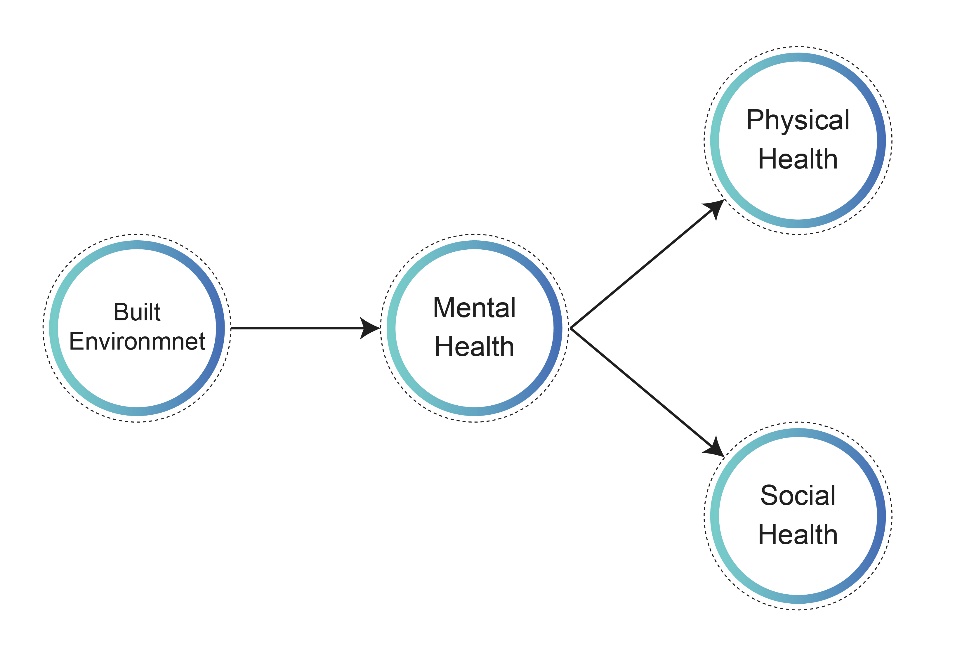
The expected rise of working from home after the COVID-19 pandemic necessitates a deeper understanding of the cause and effect of home environment on physical, mental, and social health. Existing research primarily focuses on physical and psychological health, with less attention given to social health. Incorporating social health is emphasized by various researchers during the pandemic. Moreover, the interconnected nature of health components suggests the possibility of mediation, requiring a model selection to represent the working from home situation.
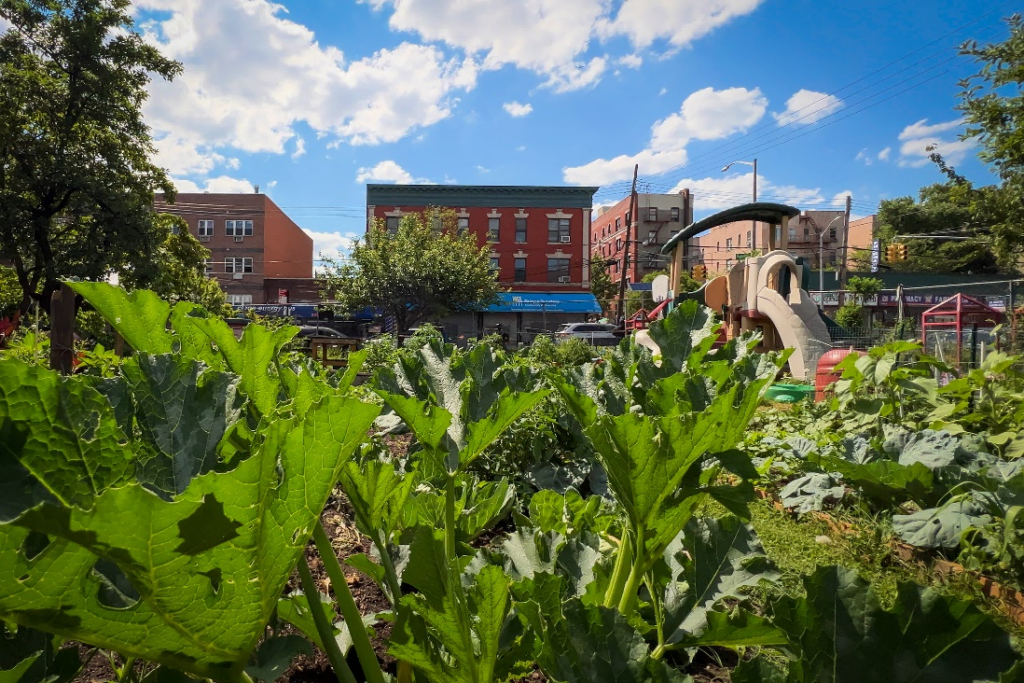
Health impact assessments are a key tool to bridge the worlds of planning and health, but there’s a risk they become a ‘tick box’ exercise with little real-world benefit. Learning from recent practice in English local authorities can help maximise their effectiveness in producing healthier developments.
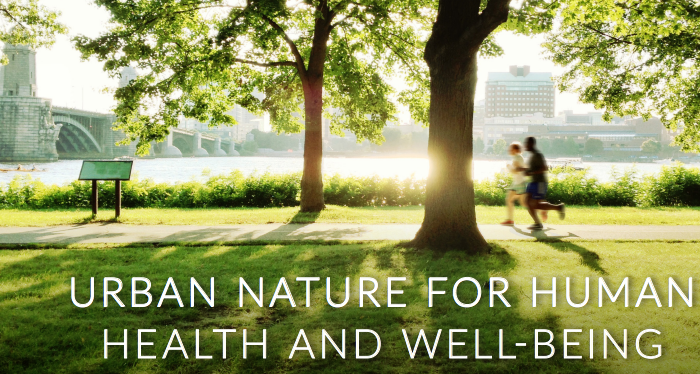
The study by collecting data from a sample in a developing and rapidly urbanizing country in South Asia highlighted the importance of green space interventions to promote urban dwellers’ contact with urban green spaces and physical activity levels. Moreover, it highlighted differences in urban green space usage behaviours based on differences in sociodemographic characteristics, suggesting the necessity to target certain sub-population groups more than others.