
City Know-hows

Nature-based social prescribing to reduce loneliness and improve quality of life: The RECETAS Consortium

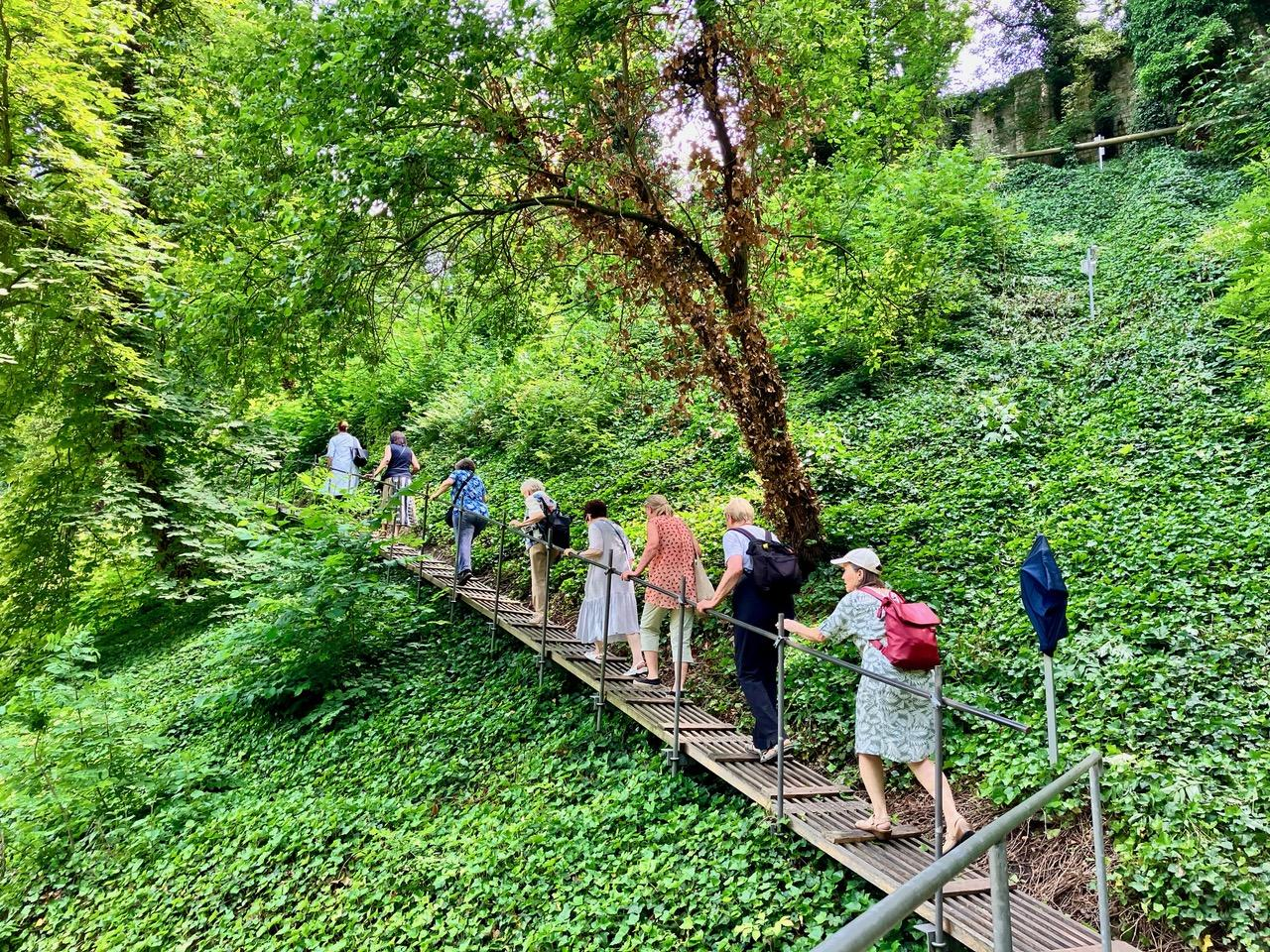
Pathways to Health: One step at a time, together with others in nature, Prague, CZ.

Reducing loneliness through nature-based social prescribing: Testing innovations in six cities worldwide and generating evidence to support community-based solutions.

Share

Target audience

Policy makers, health administrators, community health workers, urban planners.

The problem

Loneliness is a major social concern with large health consequences worldwide for populations across different demographic, cultural, social, economic, geographic, and environmental contexts. Loneliness may lead to and/or exacerbate chronic diseases such as cardiovascular disease, diabetes, cerebrovascular disease, and as well as anxiety, depression, cognitive decline, and mental well-being. Communities are seeking effective and efficient solutions to address the array of health concerns that may be rooted in loneliness. Thinking outside of the “medical care” box, solutions that facilitate access to nearby nature in socially supported ways offer a potential strategy for sustaining mental and physical well-being. Although nature-based activities are increasing in popularity, there is little evidence about the most effective ways to deliver these interventions.

What we did and why

Our paper presents the ‘RECETAS’ logic model for carrying out an evidence-based project to address loneliness and related health impacts through community and nature-based interventions. Key components include:

  • Conducting nature-based social prescription intervention studies for people experiencing loneliness in six cities, informed by local stakeholders and co-creation processes

  • Creating a measurement tool for nature dose to better understand the relationship between exposure to nature and health impacts

  • Training facilitators with observation dialogue and feedback processes based on the Friends in Nature methodology

  • Evaluating nature-based social prescription as a viable health strategy

  • Assessing cost-effectiveness of nature-based social prescription

RECETAS, if successful, will show how evidence-based interventions to address urban health challenges can be designed, tested and replicated.

Our study’s contribution

We describe a framework for how cities can address loneliness by building bridges between health systems and nearby nature-based solutions through nature-based social prescriptions. RECETAS will make important contributions to the evidence around the potential for nature-based social interventions to promote health and wellbeing in cities. The framework links project outputs with practice and policy, enabling citizens, providers and decision makers to optimally implement and scale-up these types of interventions.

Impacts for city policy and practice

RECETAS responds to the current global challenges faced by cities to address climate change, biodiversity loss, ageing populations and mental health. The solutions described aim to guide green infrastructure investments to reduce pressure on health care systems by using nature-based community referral strategies that address loneliness. Policy makers and practitioners will understand how these types of evidence-based interventions are conceived, tested and made ready for uptake and can be replicated.

Further information

Full research article:

Nature-based social interventions for people experiencing loneliness: The rationale and Overview of the RECETAS project by Jill S Litt., Laura Coll-Planas, Ashby Lavelle Sachs, Ursula Rochau, Anu Jansson, Vladimira Dostálová, Carolyn Daher, Amanda Beacom, Kaley Bachinski, Gabriela Elizabeth Garcia Velez, Sarah Bekessy, Sergi Blancafort Alias, Nicholas Hill, Mireia Gascón, Alzbeta Bartova, Lucie Cattaneo, Alice Cucchiaro, Cristina Casajuana K��gel, Nerkez Opacin, Joan Colom, Stéphanie Gentile, Iva Holmerová, Katherine Johnson, Richard Kimberlee, Uwe Siebert, Danielle Varda & Kaisu H. Pitkälä.

Leave a Reply

Your email address will not be published. Required fields are marked *

Related posts

A health equity-informed review of pedestrian urban designs and place attachment, sense of community

Building place attachment and sense of community through design can improve community well-being, yet reviews on this topic are lacking. This manuscript presents a systematic review of the links between pedestrian designs and place attachment and sense of community, and also highlights several health equity considerations to encourage new ideas about inclusive and healthy urban design practice and study.

Read More »

Policy challenges and best practice to designing-in play in cities, a study from the UK

This study contributes to the broader discourse on urban design for children, offering insights into how cities can create more inclusive, engaging, and health-promoting environments. It supports and adds to existing literature, finding that the alignment of play initiatives with public health goals, and strong collaboration between local government departments are effective in supporting children’s play on the strategic level. It identifies barriers to play in policy, namely budget constraints and deprioritisation of play.

Read More »