

City Know-hows

Urban walks to benefit psychophysiological wellbeing; during COVID-19

Target audience

Environmental psychologist, urban designers and planners, urban geographers, landscape architects, citizen scientists, community scientists.

The problem

The onset of COVID-19 highlighted the need for outdoor spaces that both promote physical activity and positively influence psychological and physical health and wellbeing outcomes. Residents of Richmond, Virginia, USA, fell short of the Centres for Disease Control and Prevention (CDC) physical activity guidelines prior to the pandemic. This suggests there is a public health requirement to understanding how urban spaces can be utilised and promoted to fulfil this need.

What we did and why

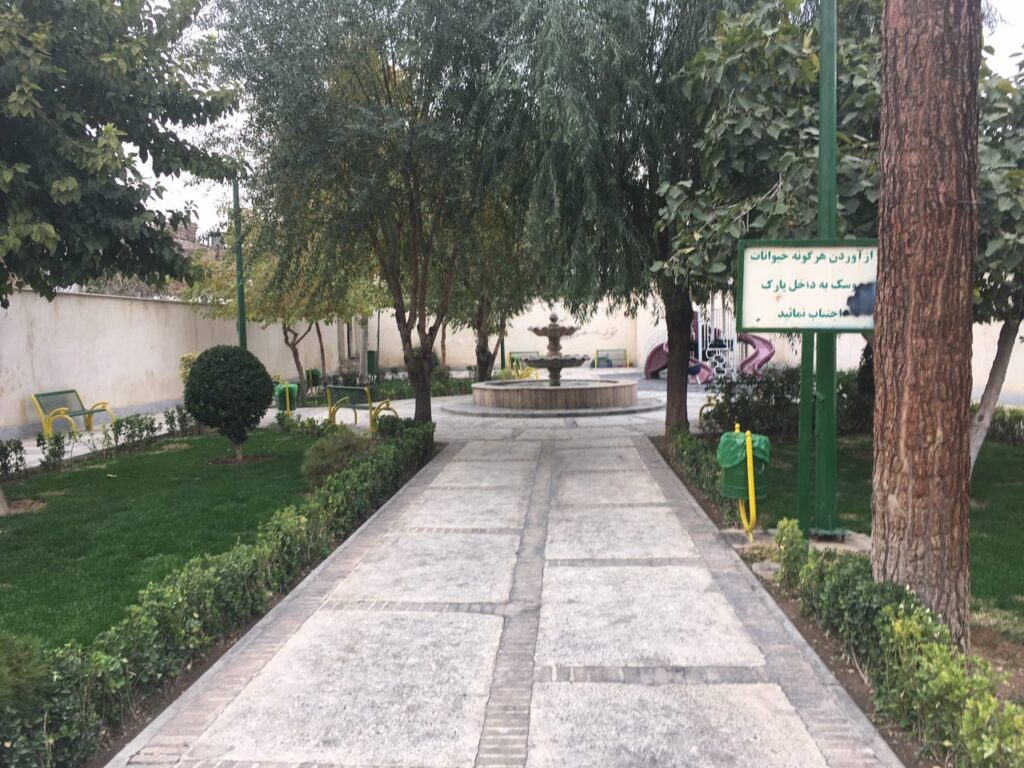
We compared psychophysiological outcomes in participants walking in two urban conditions. During one session, participants walked in an ‘urban gray’ setting: a built route with increased pedestrian and vehicular traffic. The alternate session was an ‘urban green’ setting, made up of tree lined residential streets and a pocket park. Measures included pre/post walk assessments of mood, thermal comfort and sensation and working memory and real time measurements of heart rate variability, air pollution and temperature.

Our study’s contribution

Our research adds an understanding of the psychophysiological benefits of urban (green) walks and how this has implications for public health and how we engage with our local environment. We explore the environmental characteristics that may influence these outcomes, such as particulate matter and thermal conditions.

Impacts for city policy and practice

The evidence builds on a narrative that demonstrates the health benefits of urban walks. However it adds additional context such as where these walks could take place. Further public health implications are discussed surrounding both subjective and objective health outcomes.

Further information

Center for Design + Health at the University of Virginia. Their stated mission is to understand how the design of our built environments can addressmultiple urban challenges so that our cities and the places we work and live are healthier and more nourishing for everyone. Their goal being to foster and apply research to design solutions that allow us to be fitter, happier, more productive, age better, live longer and help us all live together in a positive and meaningful way.

Full research article:

The impact of urban walking on psychophysiological wellbeing by C. Neale, J. Hoffman, D. Jefferson, J. Gohlke, M. Boukhechba, A. Mondschein, S. Wang & J. Roe

Related posts

Community voices on outdoor gyms: A qualitative study among municipal officials and residents from Arab localities in Israel

We interviewed ten municipal officials and 23 residents in four Arab towns, and observed five outdoor gyms. We wanted to understand how outdoor gyms are perceived, what barriers limit their use, and what strategies could make them more effective. This was the first study of its kind in Arab towns in Israel, but it also speaks to underserved communities worldwide where informal urban development and limited resources shape access to healthy environments.

Read More »

Unlocking food access in rural Jordan: Evaluating land use regulations in Annuaymeh village

Through field observations, surveys with the residents, and interviews with decision-maker, we identified key variables that define food access in rural areas in Jordan, mapped access to food services according to the identified variable. and assessed food access in relation to land use regulations. Our work investigated frameworks governing the allocation of food service establishment locations, spatial requirements, integration into city masterplans, equitable distribution of food service types, and pertinent legislative frameworks.

Read More »