

City Know-hows
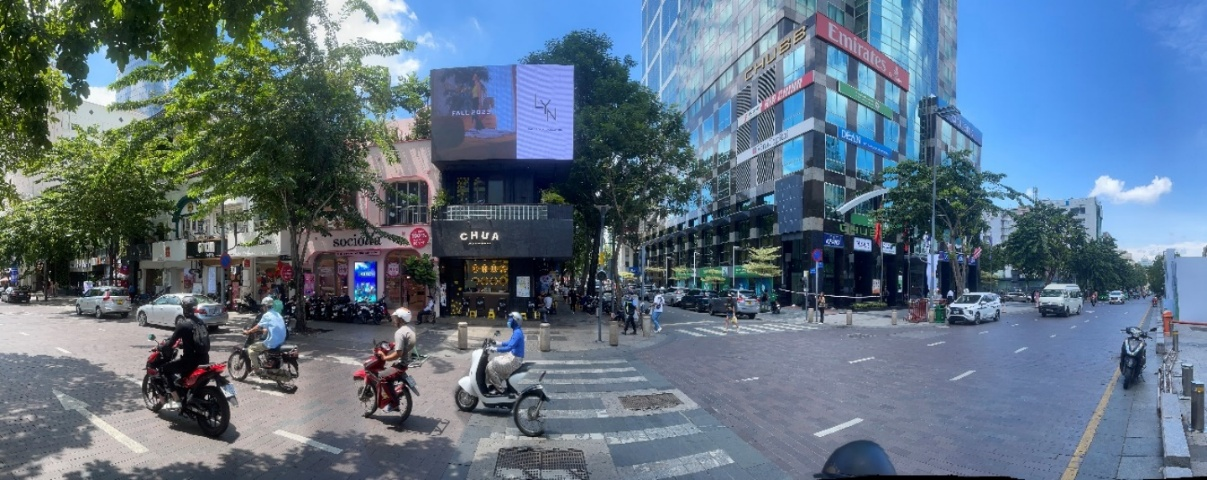
Motorbikes dominate traffic in Ho Chi Minh City, Vietnam’s largest city. Amid this, are there truly child-friendly spaces for walking?
Share
Target audience
Local authorities, urban and transportation policymakers, government and non-government organizations focused on children, parents of school-age children, and researchers in mobility, walkability, and sustainable transportation.
The problem
Ho Chi Minh City’s motorbike-dependent traffic, severe congestion from overloaded infrastructure, high accident rates among children and pedestrians, and a doubling of overweight and obesity rates among children over the past decade have driven a comprehensive study on children’s walkability. This study serves as a foundation to encourage more walking among children as an initial step toward addressing these critical issues.
What we did and why
We surveyed 381 child-parent pairs to investigate their subjective walking experiences in the downtown area, along with field observations of 88 frequently used walking routes. This data enabled us to assess the current state of walkability from the perspectives of children, parents, and field observations. Based on these insights, we identified key factors and actions needed to enhance walkability.
Our study’s contribution
Child-friendly walkability in downtown Ho Chi Minh City is rated as average or below, according to both children’s subjective assessments and objective field evaluations:
Impacts for city policy and practice
To transform downtown Ho Chi Minh City into a child-friendly walkable area:
Further information
Full research article:
 Child-friendly walkability for well-being in Ho Chi Minh City, Vietnam: an integrated approach from objective and subjective perspectives by Thi Hanh An Le, Tu Anh Trinh, An Neven, Davy Janssens & Quang Ngoc Truong
Related posts

At the intersection of urban and public health policy, the success of higher-density affordable housing solutions to serve an inclusive well-being agenda depends upon reducing the association of these lifestyles and built environments with loneliness and social isolation. We construct a pro-neighbouring index and test its predictors using an ordinal logistic regression model based on resident survey data.

The epigenome may provide a necessary link to advance knowledge of the biological pathways underlying the urban environmental impact on cognitive impairment and neurodegenerative disease risk. Broadening understanding of these pathways will help fuel multi-sectoral collaboration with decision makers to advance urban environmental health for human cognitive benefit.

Rain waterfalls, patterns of dappled light, and visual connections with nature. The Walumba Elders Centre (Warmun Community, Western Australia, 2014). Photographer Peter Bennetts