
City Know-hows
Target audience
Built environment planners and designers; Senior housing developers; Public health practitioners and policymakers.
The problem
During the COVID-19 pandemic, virus transmission prevention strategies including the lockdown of public spaces and implementation of stay-at-home order can limit older adults’ opportunities to engage in the broader community, healthy living activities, and psychological wellbeing maintenance.
What we did and why
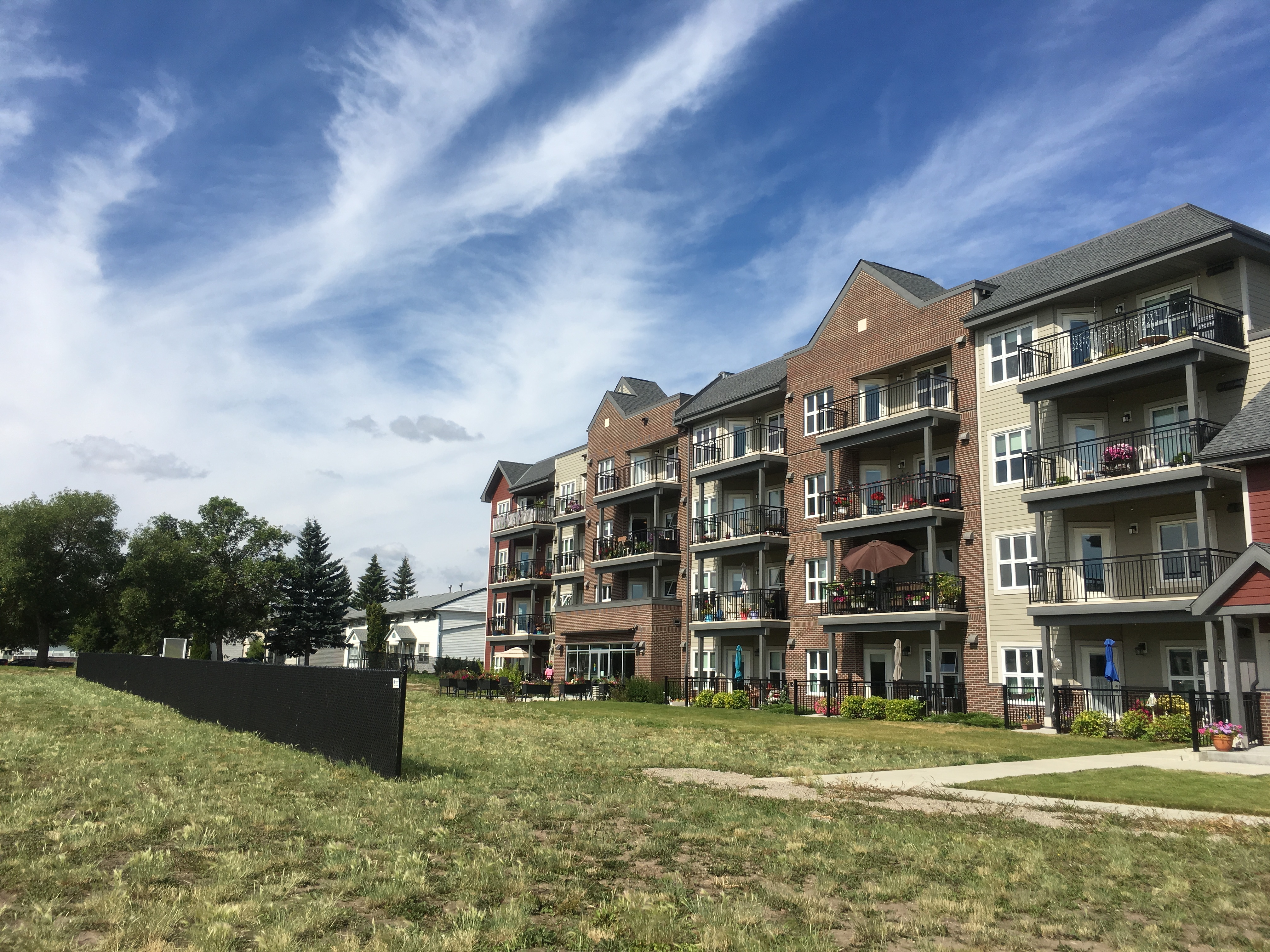
We conducted a case study of older adults in an independent-living building and the surrounding neighbourhood in Edmonton, Alberta, Canada. This study allowed insights into how an adaptive bubble was established and how the built environment can support an adaptive bubble to protect older adults from virus transmission while helping them to maintain healthy living activities and psychological wellbeing.
Our study’s contribution
Complex and nuanced relationships between human and nonhuman factors that support and challenge an adaptive bubble strategy are elaborated in:
Building interiors: as central to the bubble since this is where residents conduct daily-needed activities and attend congregate activities;
Neighbourhood environments, as the extension of the bubble that affected residents’ outdoor activity engagement;
Building edges, as spaces balancing residents’ needs for connecting with the world outside the bubble and protecting themselves within the virus-safe bubble.
Impacts for city policy and practice
The adaptive bubble strategy can be considered by communities with building and neighbourhood environments as a way to support both the prevention of virus transmission as well as the maintenance of healthy living activities during the ongoing pandemic, the upcoming recovery phase, and future epidemics.
Further information
Housing for Health team. Alberta, Canada
Full research article:
‘We are developing our bubble’: role of the built environment in supporting physical and social activities in independent-living older adults during COVID-19 by Hui Ren, Megan Strickfaden, John C. Spence, Jodie A. Stearns, Marcus Jackson, Hayford M. Avedzi & Karen K. Lee.
Related posts

Discover how local environments shape resident well-being. Our study reveals the profound impact of physical and social neighbourhood features on adults’ quality of life. Uncover the key elements that make a community thrive and their implications for urban planning and policy.

Greenspace use can positively influence subjective wellbeing; but research often focuses on how nature as “part of self” affects this relationship. Instead, we should focus on both urban and natural place-related identities to enhance wellbeing for all greenspace users.

A study of mid to older adults in Brisbane, found that people living in disadvantaged areas were more likely to be lonely. This was partially explained by levels of residential density.