Wayfinding interventions offer a viable, low-cost, intervention to increase recreational walking in urban greenspaces for irregular users, older adults and those with mobility impairments.

Share

Target audience

Local community groups and stakeholders; council officers and local authorities; heritage groups and charities

The problem

The health benefits of regularly using greenspace are multiple and include social, physical and mental benefits. However, people are increasingly living in urban areas with limited access to greenspaces. Research has also found that there are a number of barriers people may face to using greenspace, such as anxiety and confidence in how to navigate the space. Small-scale wayfinding interventions may alleviate these barriers and increase use of space.

What we did and why

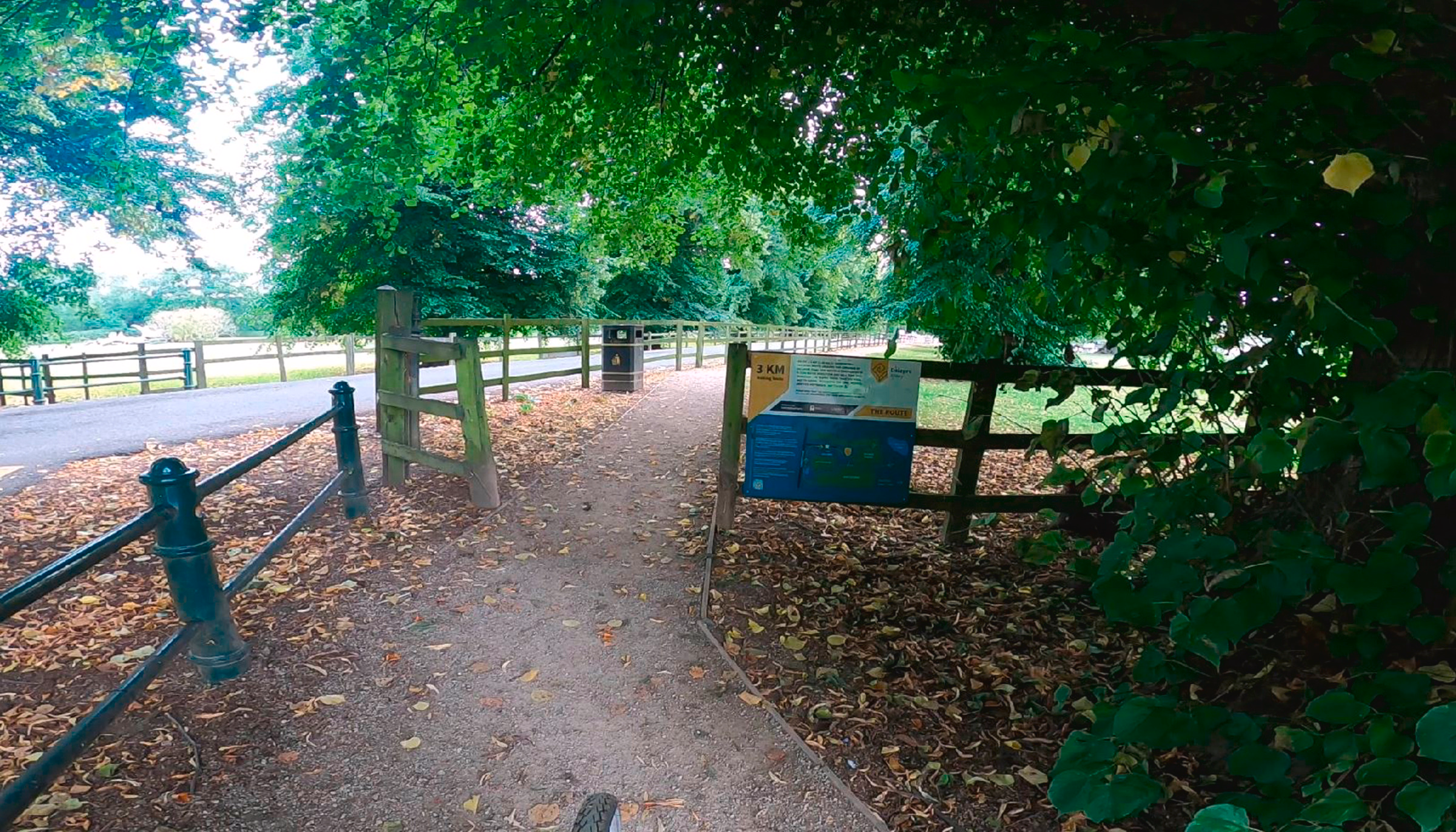
The Delapre Walk Project installed 24 directional wayfinding signs within an urban park to create a 3 km signposted walking route. This intervention was designed alongside the community to meet specific local needs. Following the installation, we conducted go-along interviews with people in the urban park to understand uses of the park, views on the intervention and how local park users were interacting with it.

Our study’s contribution

This study adds detailed insights into the effectiveness of small-scale wayfinding interventions and local communities’ connections to urban parks. The findings show how such interventions could be designed in other areas to increase impact, as well as methods to obtain the views of local park users.

Impacts for city policy and practice

Local communities should be consulted on interventions in shared public spaces as local people often have very strong connections to them. Any proposed interventions should be co-produced with the local community to ensure it reflects local context, needs and avoids unintended consequences

Further information

Full research article:

Related posts

Informing the design of public greenspaces to optimise wellbeing outcomes for the general population

Our findings highlight how different features including sounds of flowing water, open seating areas, far-reaching views, and a variety of planting (colour, height, texture, scents, attracting wildlife) within a garden influence emotional reactions and perceived restoration. These findings help build a wider picture of the lived experiences of garden users and how their wellbeing may be influenced by specific garden features. We intend our findings to support design guidelines of public greenspaces concerning human wellbeing.
Read More »