Case Studies

Case Study Mockup: Developing a Pedestrian Plan for a Healthy Hospital in Gothenburg

Case Context and Problem

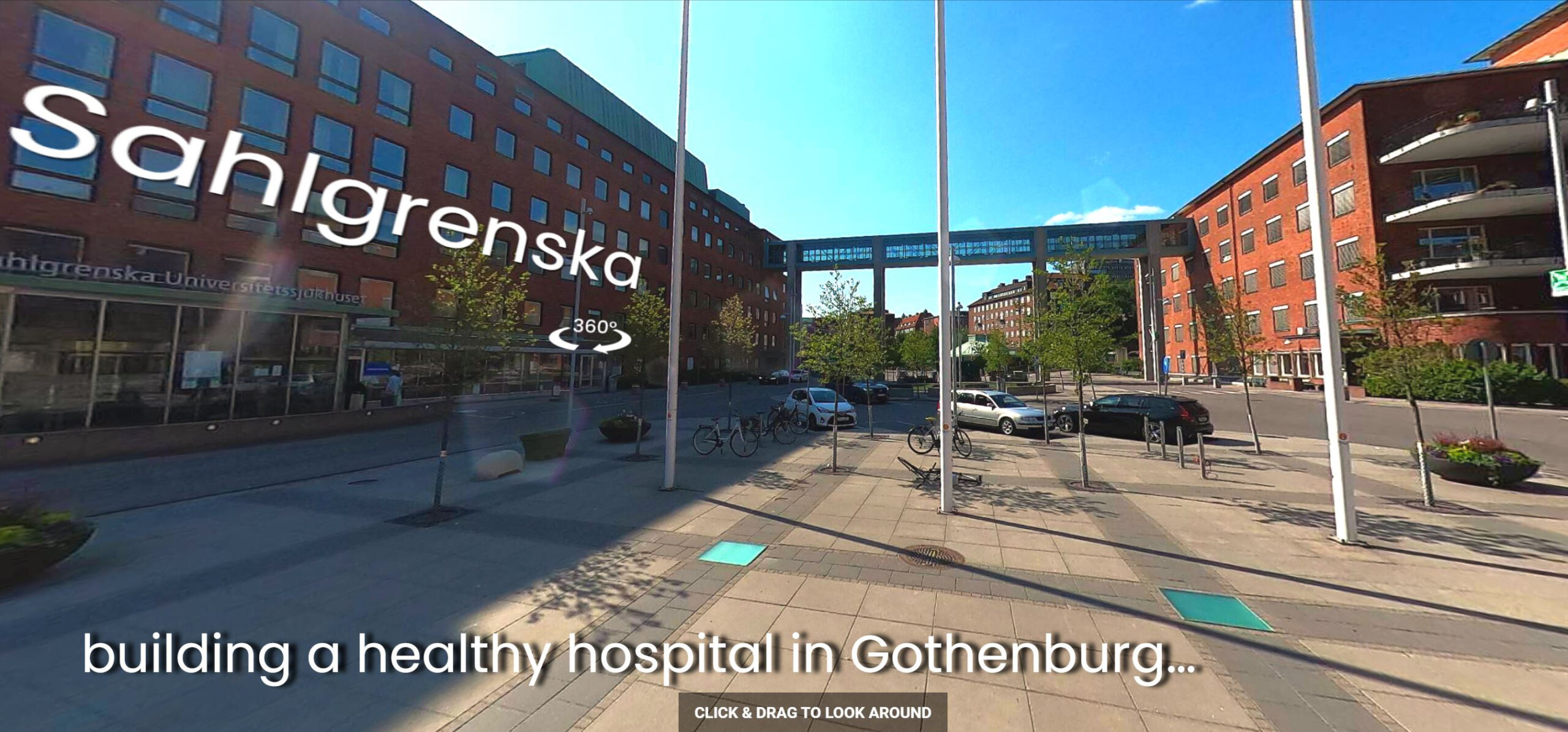
Sahlgrenska University Hospital, Northern Europe’s largest healthcare facility, is located in Gothenburg, Sweden, adjacent to a National Reserve and botanical gardens. The hospital serves 700,000 residents and specializes in advanced medical care. However, the campus faces critical challenges: spatial inequities caused by a car-dominated urban design, urban heat islands exacerbated by sealed surfaces, frequent rainwater runoff due to climate change, and biodiversity loss from insufficient green infrastructure. These issues disproportionately affect vulnerable populations, such as children, the elderly, and individuals with disabilities.

Spatial Interventions Objectives

The primary objective is to create a regenerative urban landscape that mitigates environmental stressors while improving walkability, accessibility, and health outcomes for vulnerable groups. Specific goals include:

  • Enhancing pedestrian connectivity by redesigning pathways and entrances.
  • Increasing green and blue elements to reduce urban heat islands and promote biodiversity.
  • Managing rainwater runoff through porous materials and sustainable drainage systems.

Methodology

The study employed the UrbanCare research framework, combining field studies, stakeholder workshops, and environmental diagnostics. Key steps included:

  1. Identifying critical pedestrian zones and mapping spatial inequities.
  2. Measuring heat retention and surface porosity using advanced materials analysis.
  3. Conducting biotope ratio assessments to evaluate green space coverage.
  4. Evaluating street-level needs for vulnerable populations through on-site surveys.

Key Results and Lessons Learned

The study revealed significant barriers to walkability, including disconnected pedestrian zones and unsheltered parking lots. Urban heat spots increase cooling energy consumption by 19% and pose serious health risks during heatwaves. Rainwater runoff was found to escalate flooding risks and raise water treatment costs, while biodiversity loss impaired air quality and ecological balance. These findings stress the importance of integrated, nature-based solutions to address these interconnected issues effectively.

Limitations

The study faced limitations in acquiring long-term climate data for predictive modeling and comprehensive user feedback due to time constraints. Additionally, budgetary and administrative barriers hindered immediate implementation of proposed interventions.

Implications for Practice

This case study underscores the need for interdisciplinary collaboration in addressing urban health challenges. Planners and policymakers should prioritize pedestrian-friendly infrastructure, nature-based solutions, and climate-resilient designs to improve health outcomes and urban sustainability.

Visual Evidence

Conclusion

The full case study includes detailed findings on pedestrian barriers, environmental stressors, and proposed regenerative strategies. It highlights methodologies like biotope ratio assessments and heat mapping, alongside stakeholder-driven solutions for improving urban health at Sahlgrenska University Hospital.

Learn more about this case study at: https://www.buildinghealth.eu/a-healthy-hospital-in-gothenburg/

Contributors

Research: Alvaro Valera Sosa (Building Health Lab) and Göran Lindahl (Chalmers University of Technology)
Contributors: Netra Naik and Anna Au from Building Health Lab

Leave a Reply

Your email address will not be published. Required fields are marked *

Related posts

What are residents’ lived experiences of higher density living and impacts on health and wellbeing?

We conducted a citizen science project to engage with current residents in higher density residences in Northern Sydney to explore the positive and negative aspects of their lived experiences on their health and wellbeing. Together, we identified the elements that residents of these communities value as well as those with potential negative impacts that could be mitigated through good planning and design.

Read More »

Paving the way for active mobility: Insights from Brussels and Malta

How can cities like Brussels and Malta overcome barriers to active mobility and create healthier, more sustainable urban environments? Discover the challenges, strategies, and key insights from local stakeholders on paving the way for a transformative future of mobility. Through interviews with key stakeholders, we explore solutions like citizen involvement and organisational changes that can drive urban transformation and support sustainable, active mobility.

Read More »