City Know-hows
This case study articulates that when culturally competent infrastructure is in place, community knowledge has the potential to redesign policies and systems. It centres on the co-production of a new type of Health Impact Assessment, putting the existing community first.
Share
Target audience
Communities, urban leaders, public health policymakers
The problem
Current methods for baselining community health and evaluating impacts fail to reflect the lived, cultural and economic realities of urban communities. This results in inaccurate analysis and strategies being developed. Urban communities hold deep knowledge from their experiences of how proposed interventions interact with other determinants of health. Due to inadequate research infrastructure this knowledge is not being realised and influencing areas such as the Health Impact Assessment.
What we did and why
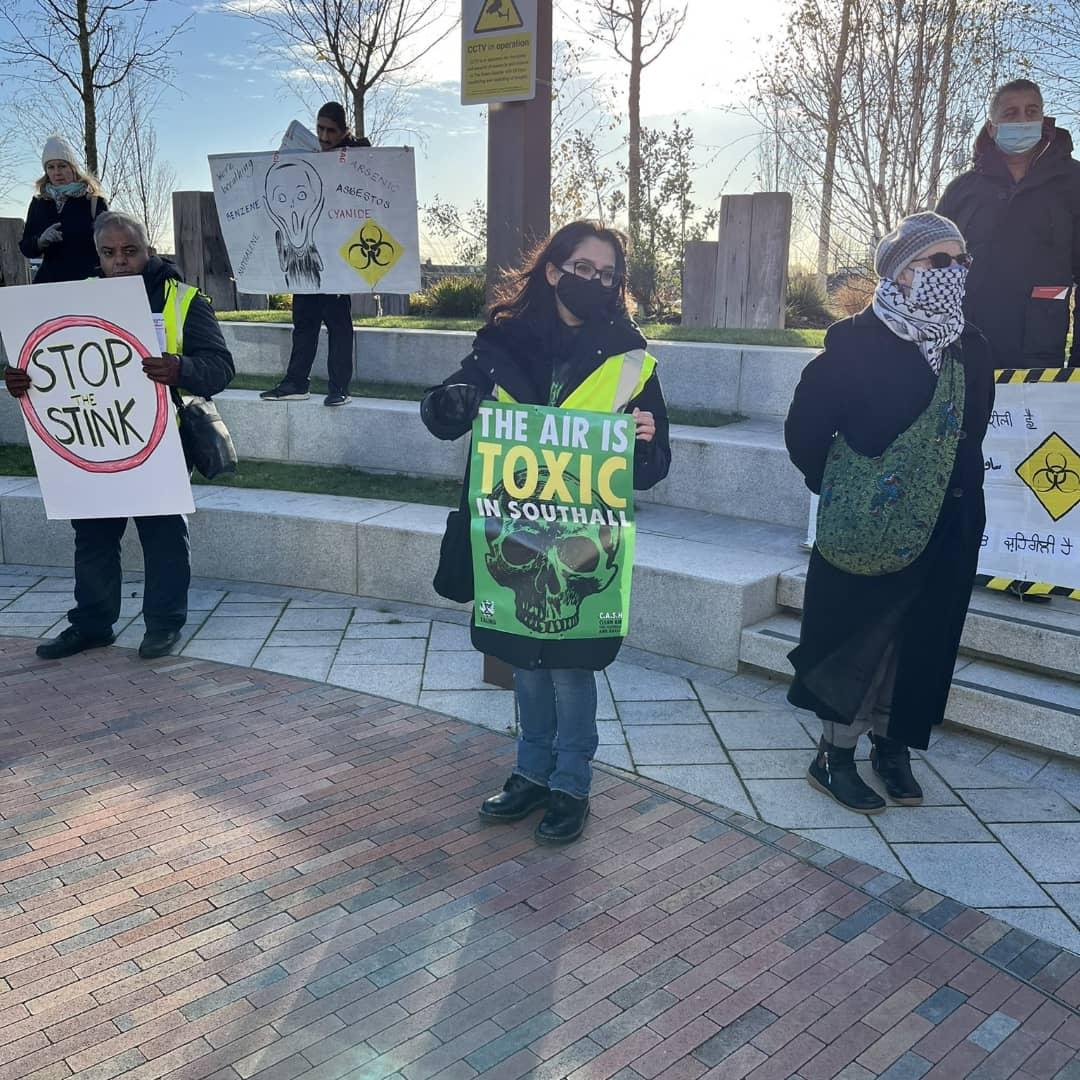
Our collaboration co-created a new methodology reimagining the design, delivery, and management of the Health Impact Assessment using a community lens of the WHOs four interlinking principles: democracy, sustainable development, equity, and ethical use of evidence. We produced an assessment showing the differences between technocratic and experience-led approaches, and shared our methodology with 10 groups from around the UK in a pilot programme who conducted their own exercises locally.
Our study’s contribution
This case study demonstrates a few key points:
• Current models for evaluating local health fail to accurately capture the susceptibility of urban communities to increased levels of stressors from urban development.
• Current approaches to HIAs need more work to uphold the WHOs four interlinking principles: democracy, sustainable development, equity, and ethical use of evidence, in the eyes of community organisers.
• Greater infrastructure is needed to support impactful community engagement and design of policy.
Impacts for city policy and practice
Key implications are:
See also other Centric Lab work on grassroots Community Health and Impact Assessments.
Further information
Full research article:
A case study in developing a health impact assessment through the eyes of a community by Josh Artus, Hannah Yu-Pearson, Charlotte Kemp, Fonso, Angela Fonso and Daniel Akinola-Odusola.
Related posts

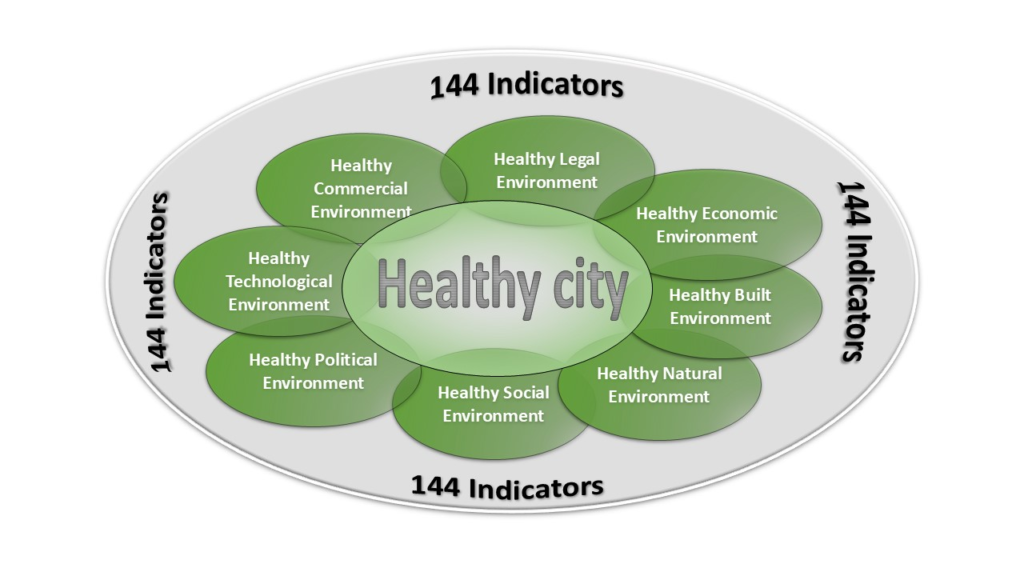
What makes a city truly healthy? This study engaged experts worldwide to identify 144 key indicators across social, economic, environmental, legal, technological, and commercial determinants of health—offering a practical roadmap for India’s mission to build 500 healthy, inclusive, and sustainable cities.
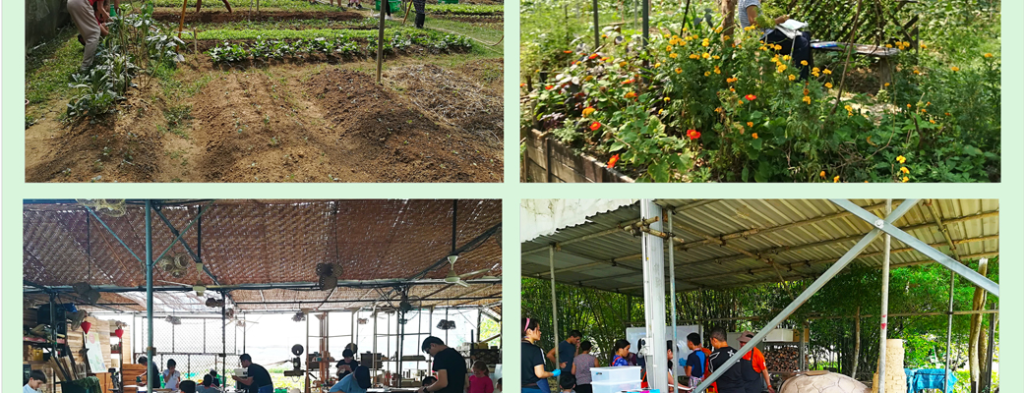
The involvement of citizens in nature placemaking processes can have a positive impact in the psychological health and wellbeing. The connection with the natural environment and community is grounded in five core principles recognized as the 5Gs: Gracious, Green, Giving, Grounded and Grateful, as conveyed through the activities.
Understanding decision-making for active living infrastructure in a middle-income country: Aspirations and pressures for development may not support creation of good quality walking and cycling