City Know-hows

Young autistic adults walk like seniors aged 65 and over

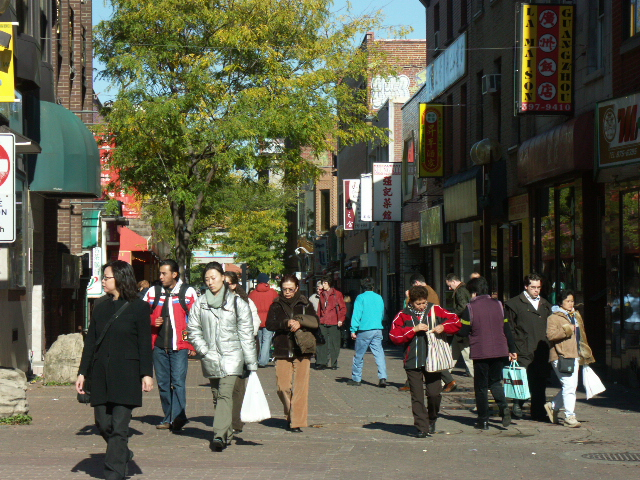
Young autistic adults walk like seniors aged 65 and over. Image: Creative Common Licence

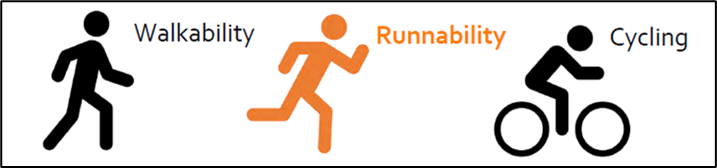
Our study reveals striking similarities in the walking habits of young adults with Autism Spectrum Condition and seniors aged 65 and older, highlighting critical challenges in urban environments. Participants completed an online survey, and logistic regression analysis was used to explore how factors such as group, gender, destinations and time of day affected walking habits. The walking patterns of young autistic adults closely mirrored those of older adults, raising concerns about the potential for reduced physical activity and associated health challenges as autistic individuals age.

Share

Target audience

Urban planners; City policy-makers, and Government Agencies; transport and mobility experts; Technology innovators and Smart City initiatives

The problem

We wanted to understand why young adults with Autism Spectrum Condition often face challenges walking in urban environments, particularly at night or for leisure. These behaviours are crucial to study because walking promotes health and sustainability. However, limited research exists comparing their walking habits with neurotypical peers and older adults. We saw an urgent need to explore how urban design impacts walking to address potential health and social disparities in these groups.

What we did and why

We conducted a pilot study to compare walking habits among young autistic adults, neurotypical young adults, and older adults. Using an online survey and logistic regression, we assessed how group, gender, destinations and time of day influenced walking. Our goal was to quantify the impact of urban environments on these groups and build a case for inclusive urban design that promotes health and active living for neurodiverse and ageing populations alike.

Our study’s contribution

Our study shows that young autistic adults and older adults face similar patterns with walking, particularly at night or for leisure activities. These findings highlight a very poor health prospects for autistic adults as they age due to lack of physical and social activity. These findings underscore the need to rethink urban spaces for diverse needs. By identifying these patterns, we provide a foundation for creating urban environments that are more inclusive, accessible, and supportive of sustained physical activity and better health outcomes for autistic individuals as they age.

Impacts for city policy and practice

We believe city policies must address the growing challenges faced by neurodiverse individuals, particularly autistic adults, in urban environments. As our findings suggest, the walking habits of young autistic adults already resemble those of older adults, raising concerns that health and mobility issues will worsen significantly as this population ages.

The results also showed that young autistic adults and older adults were significantly less likely than neurotypical young adults to engage in walking, particularly at night and for leisure activities.
Inclusive urban planning is not just beneficial but essential. Proactively designing environments that support autistic individuals can help prevent further declines in physical activity, mitigate long-term health risks, and promote equity and well-being across their lifespan.

Further information

Full research article:

Related posts

Manageable slices through the city: walkable space supporting mobile, democratic and dynamic clinics

Mental health needs are poorly understood in the development and management of public space. However, people recovering from health issues such as psychosis need to use city space in their everyday lives. We note that large sites in city centres continue to be made available. As such their redesign and management needs to factor in these broader needs. There will be further benefits to people with conditions such as anxiety, depression and autism.

Read More »

Where to walk when we are old: experiments in Taiwan and the USA

Our study highlights the importance of green spaces in urban areas for enhancing the well-being of older adults. It reveals significant benefits of nature walks over urban street walks and underscores the need for gender-sensitive urban design.
• Green spaces improve mood and perceived restorativeness.
• Women benefit more from nature walks, especially in urban streets.
• People from different cultures may benefit from nearby nature slightly differently.

Read More »

Co-designing healthy and sustainable cities: what Paris residents teach us about urban environmental health

This study introduces a place-based model of urban environmental health drawn from residents’ perspectives.
• Highlights eight interconnected local parameters of environmental health.
• Demonstrates that residents link environmental health to everyday nuisances like noise, air pollution, and lack of safety.
• Shows that viable and livable environments depend on inclusive governance and infrastructure decisions.
• Offers a replicable approach for other cities to assess urban health from the ground up.

Read More »