


City Know-hows

Empowering through Photovoice: young women’s lived experiences with environmental stressors in urban slums, Kampala, Uganda

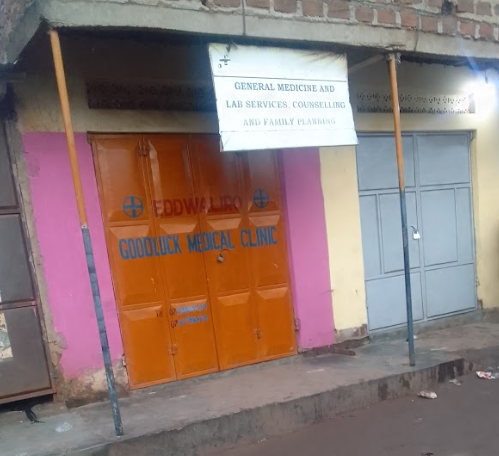
This photo, taken by a young woman from the urban slums of Bwaise, shows the importance of access to care at the Goodluck Medical Clinic. The clinic is a crucial source of medical services and counselling, helping to improve both physical and mental well-being in the community. For many, it’s a place of support and hope in a challenging environment. Photo by Shamie, age 24, Bwaise as part of the TOPOWA Photovoice Project.

Environmental stressors such as poor sanitation and overcrowding affect the mental health of women living in urban slums, yet their lived experiences remain understudied. Photovoice was selected to engage participants as co-researchers to document and discuss how their environments influence their daily lives and mental health.

Share

Target audience

Stakeholders in public health such as Ministry of Health for specific for women and children, city planners, NGOs working in the community, and researchers in low-resource settings.

The problem

Few studies have asked young women with lived experience about how to mitigate the urban stressors they face in their daily lives. This information is needed to develop intervention strategies. We facilitated women’s participation and sharing their thoughts using photography.

What we did and why

We used Photovoice to investigate the environmental and urban stressors influencing mental health outcomes among young women aged 18 to 24 living in three slums in Kampala, Uganda. This method was selected to enable active participation and reflection among young women, who often face exclusion from discussions about critical community issues.

Our study’s contribution

The narratives provided by participants offer valuable insights into their lived experiences and the ways the young urban women navigate challenges related to poverty, health, and safety in the slums. Moreover, the Photovoice approach proved effective in amplifying the voices of marginalized young women, allowing them to contribute meaningfully to discussions on community needs and potential solutions. These insights are critical for developing targeted interventions to enhance the resilience and mental health of young women in urban poverty.

Impacts for city policy and practice

The findings emphasize the importance of addressing these determinants in city program and policy planning aimed at improving the well-being of young women in similar low-resource settings.

Further information

Full research article:

[OPEN ACCESS] Through their eyes: a Photovoice study of environmental stressors and mental health among young women in Kampala’s urban slums by Monica H. Swahn, Jane Palmier, Anna Nabulya and Jacqueline Nassaka

Related posts