City Know-hows
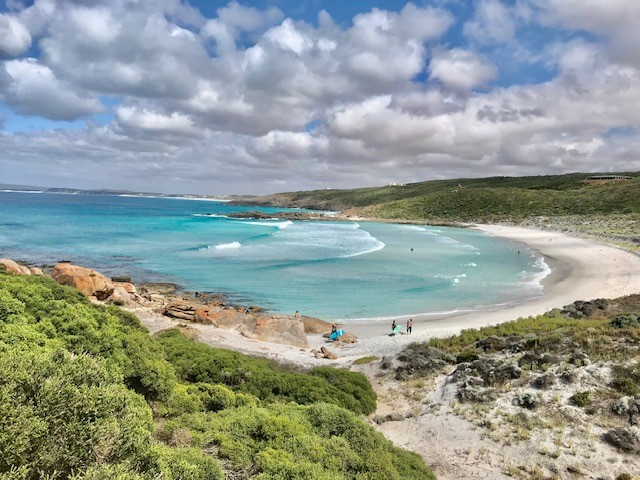
Beaches can be important settings for a wide range of physical activity (walking, running, swimming, surfing). However, the quality of beaches may differ across neighbourhoods, and by neighbourhood socioeconomic status. This may mean that not everyone has equal access to potential health and wellbeing benefits beaches can provide. More robust measurement of beach quality and the relationship with physical activity could provide information around what features are health and wellbeing promoting.
Share
Target audience
Local government officers, city planners
The problem
Beaches can be important settings for physical activity. The quality of these spaces (safety, amenities, aesthetics) can influence how well they support physical activity and health. The quality of beaches may differ across neighbourhoods, with higher socioeconomic status neighbourhoods having disproportionately better access to beaches.
What we did and why
We audited 76 beaches in Perth, Western Australia, using a modified version of the BlueHealth Environmental Assessment Tool (BEAT). We looked at differences of beach attributes (e.g., safety, amenities, aesthetics) in low and middle socioeconomic neighbourhoods compared to high socioeconomic status neighbourhoods. Then we examined associations between certain beach features and physical activities conducted around the beaches, and how this varied by neighbourhood socioeconomic status.
Our study’s contribution
This is one of the first studies to investigate the health promoting attributes of beaches in the Oceania region. We found there were some disparities in beach aesthetics, safety, accessibility and path networks by neighbourhood socioeconomic status.
Impacts for city policy and practice
Our findings highlight how improving and maintaining beach quality in all neighbourhoods could promote equal access to health benefits. By addressing disparities in features like playgrounds, safety, and paths around beaches, city planners can ensure that all communities, regardless of their wealth, have access to spaces that encourage physical activity and family-friendly environments. This can help create healthier, more active communities and reduce health inequalities across the city.
Further information
Full research article:
Differences in attributes of and physical activity within Australian beaches by neighbourhood socioeconomic status by Phoebe George, Kevin Murray, Emma K. Adams and Hayley Christian
Related posts

There are so many neighbourhood-level drivers that impact our health that making sense of all the data can be difficult. This tool helps us understand

Older adults exercised less during COVID-19. Covid-related built environment modifications such as one-way walking systems and social distancing may have made physical activity more difficult.

Young people are satisfied with many aspects of their local area except for active travel to school and for those living in rural areas. There was strong correlation between living in more crime prone areas and feeling unsafe.