City Know-hows
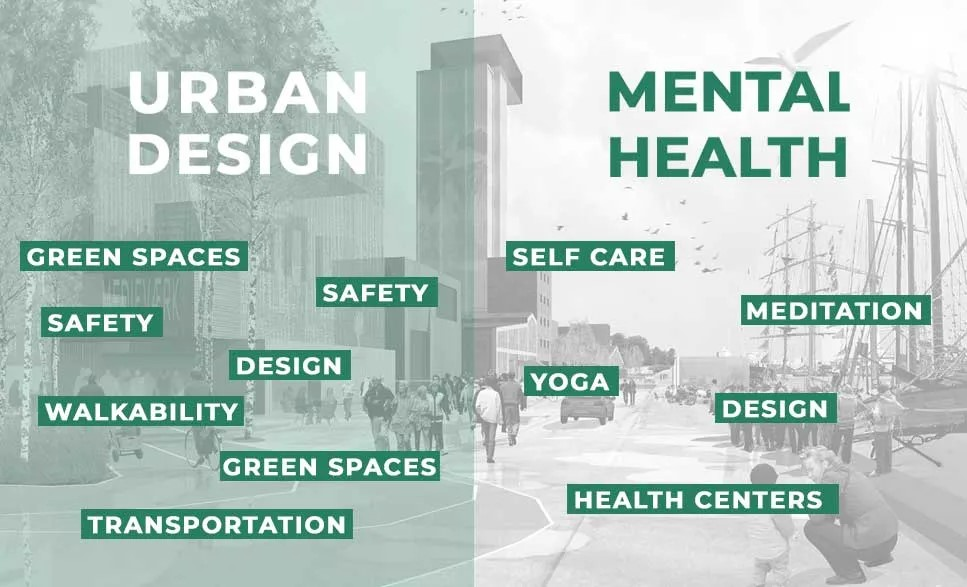
As an urban planner, designer, or manager in a developing country, to what extent and in what ways do you think your decisions can impact the mental health of citizens? How beneficial do you think replicating the urban experiences and knowledge from developed countries could be?
Share
Target audience
Urban planners, City managers, Urban designers, Urban policy makers
The problem
Despite the growing share of the urban population in low and middle-income countries compared to high-income countries, I have observed that research on the effects of the built environment on public health—especially mental health—is still quite limited in these regions. This research aims to investigate the relationship between the characteristics of the built environment and mental health. I hope it will contribute to filling the gap in developing countries by providing empirical evidence.
What we did and why
A cross-sectional study was carried out in Mashhad City to investigate how built environment components affect mental health. The built environment was evaluated based on diversity, destination accessibility, and population density. Diversity was measured using the Entropy Index, and destination accessibility was assessed via a questionnaire and Population density data were obtained from the 2019 statistical yearbook and Mashhad’s master plan. Mental health was examined using a validated tool, the Goldberg General Health Questionnaire (GHQ-28).
Our study’s contribution
This paper offers new experimental insights into the effects of the built environment on mental health in low- and middle-income countries, highlighting the limited knowledge in this area compared to high-income countries. A key finding indicates that findings of high-income countries cannot be generalized to lower-income countries. The research emphasizes the significance of built environment characteristics on health, particularly mental health, and identifies this as an emerging field for researchers and urban policymakers in Iran.
Impacts for city policy and practice
Our results emphasize the importance of considering the cultural and environmental factors mediating the relationship between built environment components and mental health. These factors include the history of urbanization, contextual sociocultural factors, and climatic and geographical conditions. This is especially important for Islamic countries due to the deep tie between Islamic ideas and multiple dimensions of citizens’ social life.
Further information
Full research article:
Built environment determinants of mental health in Mashhad metropolis, Iran by Seyyed Hadi Hosseini, Mahdi Zarei and Hossein Ghodrati
Related posts

A study of mid to older adults in Brisbane, found that people living in disadvantaged areas were more likely to be lonely. This was partially explained by levels of residential density.
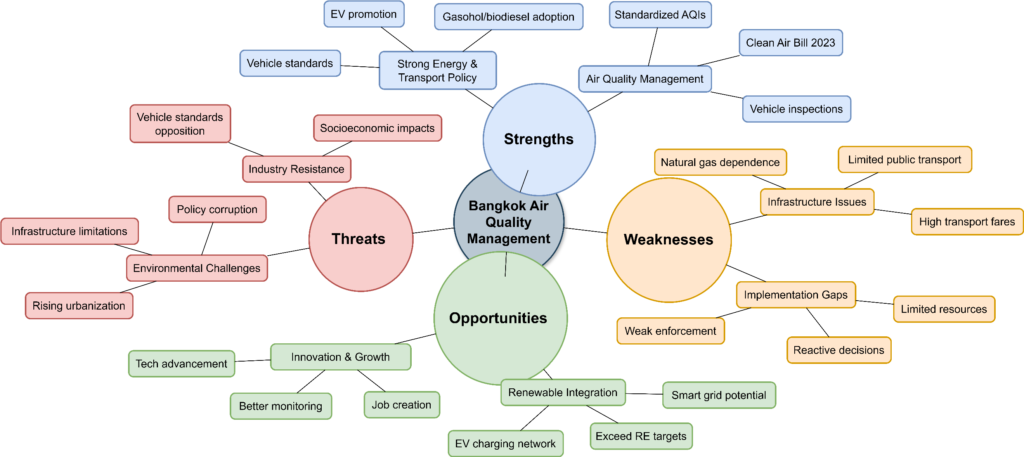
Can Bangkok truly clean its air? New initiatives show promise, but key changes are needed. This analysis reveals how better infrastructure, stronger governance, and embracing renewable energy can pave the way for a healthier city.
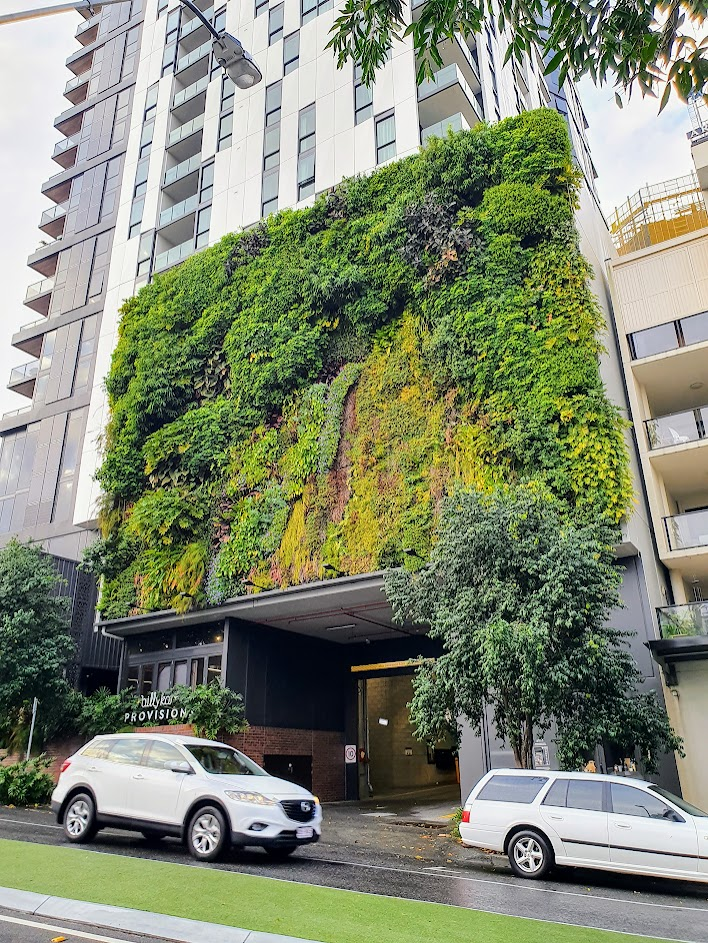
Our urban environments are getting hotter, yet urban design and planning solutions which can mitigate heat are rarely used. There is a need for further education and strategic planning policy positions to support heat mitigation policy and practice in the built environment.