

City Know-hows

Young autistic adults walk like seniors aged 65 and over

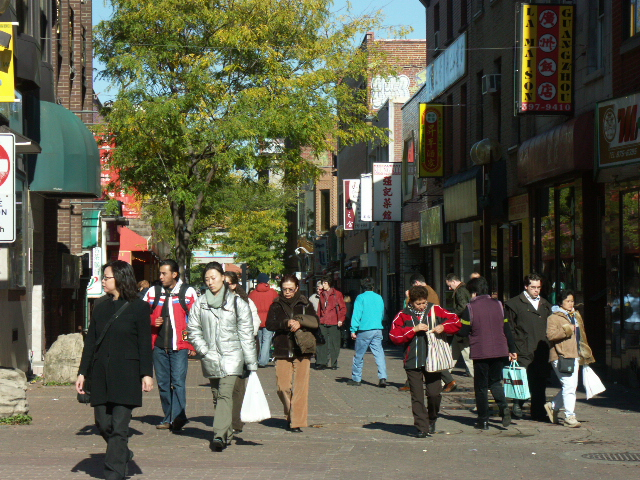
Young autistic adults walk like seniors aged 65 and over. Image: Creative Common Licence

Our study reveals striking similarities in the walking habits of young adults with Autism Spectrum Condition and seniors aged 65 and older, highlighting critical challenges in urban environments. Participants completed an online survey, and logistic regression analysis was used to explore how factors such as group, gender, destinations and time of day affected walking habits. The walking patterns of young autistic adults closely mirrored those of older adults, raising concerns about the potential for reduced physical activity and associated health challenges as autistic individuals age.

Share

Target audience

Urban planners; City policy-makers, and Government Agencies; transport and mobility experts; Technology innovators and Smart City initiatives

The problem

We wanted to understand why young adults with Autism Spectrum Condition often face challenges walking in urban environments, particularly at night or for leisure. These behaviours are crucial to study because walking promotes health and sustainability. However, limited research exists comparing their walking habits with neurotypical peers and older adults. We saw an urgent need to explore how urban design impacts walking to address potential health and social disparities in these groups.

What we did and why

We conducted a pilot study to compare walking habits among young autistic adults, neurotypical young adults, and older adults. Using an online survey and logistic regression, we assessed how group, gender, destinations and time of day influenced walking. Our goal was to quantify the impact of urban environments on these groups and build a case for inclusive urban design that promotes health and active living for neurodiverse and ageing populations alike.

Our study’s contribution

Our study shows that young autistic adults and older adults face similar patterns with walking, particularly at night or for leisure activities. These findings highlight a very poor health prospects for autistic adults as they age due to lack of physical and social activity. These findings underscore the need to rethink urban spaces for diverse needs. By identifying these patterns, we provide a foundation for creating urban environments that are more inclusive, accessible, and supportive of sustained physical activity and better health outcomes for autistic individuals as they age.

Impacts for city policy and practice

We believe city policies must address the growing challenges faced by neurodiverse individuals, particularly autistic adults, in urban environments. As our findings suggest, the walking habits of young autistic adults already resemble those of older adults, raising concerns that health and mobility issues will worsen significantly as this population ages.

The results also showed that young autistic adults and older adults were significantly less likely than neurotypical young adults to engage in walking, particularly at night and for leisure activities.
Inclusive urban planning is not just beneficial but essential. Proactively designing environments that support autistic individuals can help prevent further declines in physical activity, mitigate long-term health risks, and promote equity and well-being across their lifespan.

Further information

Full research article:

Related posts

Exploring the restorative and social value of urban running environments as third places, Manila, The Philippines

We asked runners across Metro Manila to rate their usual running spots, not just based on convenience or safety, but on how these places make them feel. Do they offer a sense of community? Do they reduce stress? Can people connect with others there, even informally? These questions are rooted in the idea of “third places”, spaces that are neither home nor work but still feel like a meaningful part of daily life.

Read More »