City Know-hows
The project created a street audit for barriers in streetscapes for people with a visual impairment. This street matrix was tested in 12 different countries by 11 auditors who provided feedback on ease of use and any proposed changes. The street audits collected excellent data on different barriers and challenges throughout the global contexts and was well received by the auditors. Some changes were made to the final street audit including editability for differing global contexts.
Share
Target audience
Built environment professionals, Urban designers, Community groups and Charities and Healthcare Professionals
The problem
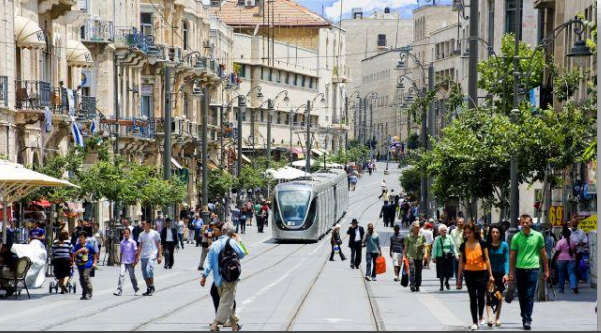
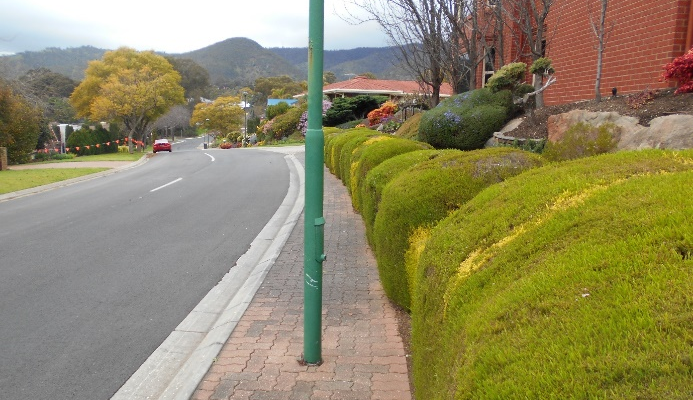
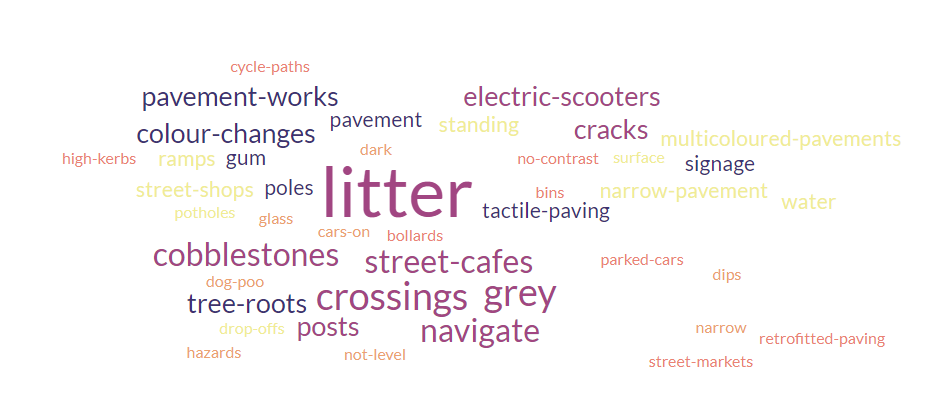
Our built environments are often disabling by design for many people including people living with a visual impairment. There are many perceived and actual barriers to navigation of towns and cities for people with a visual impairment. Some of the most common barriers are bollards, parked cars, uneven pavements and shared space. Many of these issues are not considered in urban design or planning and audits are not conducted to ensure accessibility for all.
What we did and why
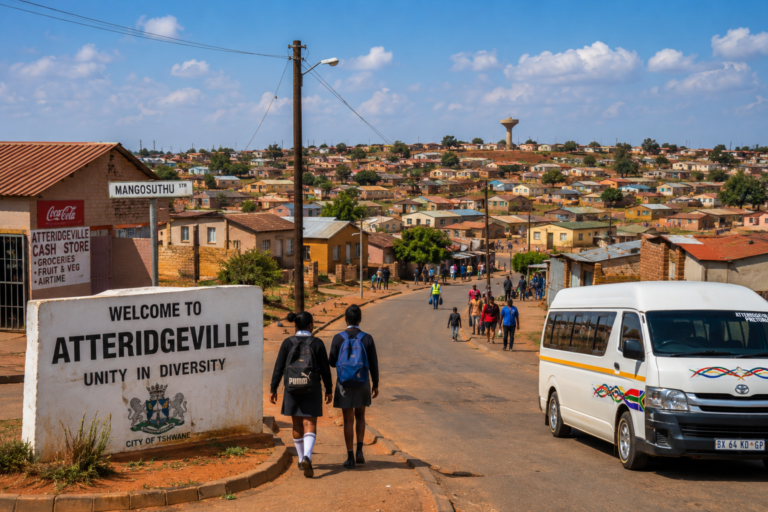
We created a street audit tool to assess streetscapes for challenges and barriers faced by people with a visual impairment. This street audit tool was tested by 11 auditors in 12 countries and edits were made to improve the street audit tool. In total, 26 street matrices from 12 different countries were collected. The countries these were completed in included: Italy (5), Hong Kong (1), Denmark (1), Eswatini (Africa) (3), Germany (2), Hungary (2), Republic of Ireland (2), Northern Ireland (2), Singapore (2), USA (1) and Vietnam (1). This tool produced excellent results and showed that there are common barriers in our streetscapes globally for people with a visual impairment. This street audit tool can be used by charities, community groups, urban planners and other built environment professionals to promote more accessible areas for all.
Our study’s contribution
While there has been research conducted into the barriers and challenges faced by people with a visual impairment, there were few published tools to access streetscapes effectively. This study adds:
• A tested street audit tool which has been used in global contexts
• Further contextual information on barriers and challenges faced by people with a visual impairment globally
• Contextual pictures of many of these issues
• A proposed final street matrix tool which is editable for global contexts
Impacts for city policy and practice
Our street matrix tool can be used by urban planners and other built professionals both to plan new streetscapes and also to assess existing streetscapes for improvement. Currently, in many global contexts, it is good practice to make areas accessible for all and complete street audits. Despite this, without background knowledge of visual impairment and other disabilities, it can be difficult to assess these challenges and provide adequate solutions. This street matrix makes this more accessible and easy to assess these areas.
Further information
Full research article:
Development of a street audit to assess barriers faced by people with a visual impairment in urban streetscapes: a global case study by Laura N. Cushley, Neil Galway, Joshua Cummings and Tunde Peto
Related posts

Older adults exercised less during COVID-19. Covid-related built environment modifications such as one-way walking systems and social distancing may have made physical activity more difficult.

Our study wanted to know more about the relationship between neighborhood walkability and crime in New Orleans, generally finding that the relationship between the two depends on the level of walkability, type of crime, and socioeconomic conditions of the neighborhood. Walkability was related to less crime in economically impoverished neighborhoods. Improving walkability in economically disadvantaged areas may help reduce crime.

Deaths by suicide are the leading cause of violent death. Suicide is a silent plague that is killing people daily in different cities and towns of Spain. Is the type of settlement and air temperature affecting the probability of killing yourself? What we can deduce from statistical models.