

City Know-hows
Older people in China want to age at home but contrary to common perceptions, not all want to live with their children. Some are open to new options beyond aging in ordinary dwellings.
Share
Target audience
Housing policymakers and urban planners
The problem
With almost one-quarter of the world’s population aged 65 or more, we wanted to know where Chinese people prefer to live as they age.
What we did and why
We reviewed 30 peer-reviewed empirical articles on aging in place and housing preferences among older people in mainland China, Hong Kong, and Taiwan.
Our study’s contribution
The image of older people in China preferring to live with their children is not uniformly the case, particularly for those with the most resources, and with fewest. Not enough is known about preferences for what kinds of places older Chinese want to live in, including the design, location, and tenure of homes.
Impacts for city policy and practice
Current Chinese policies promoting aging in place with home and community-based care align with many older adults’ preferences. Barriers, such as unadaptable homes and inadequate medical and care services provide challenges. Given the demographic trends in China, policy will need to go further in providing options for care beyond relying on children by making existing homes and neighborhoods more supportive of aging.
Further information
Full research article:
[OPEN ACCESS] Aging in place in China: contextualizing perceptions about whether and how to age at home by Yingying Lyu & Ann Forsyth
Related posts

Seven key urban health policy ideas were found in the planning of Sydney’s Western Parkland City that draw upon different ontological perspectives. This case study prompts policy actors and researchers to reflect on their own assumptions, and others’ underlying assumptions to better understand where and how collaborations should occur.
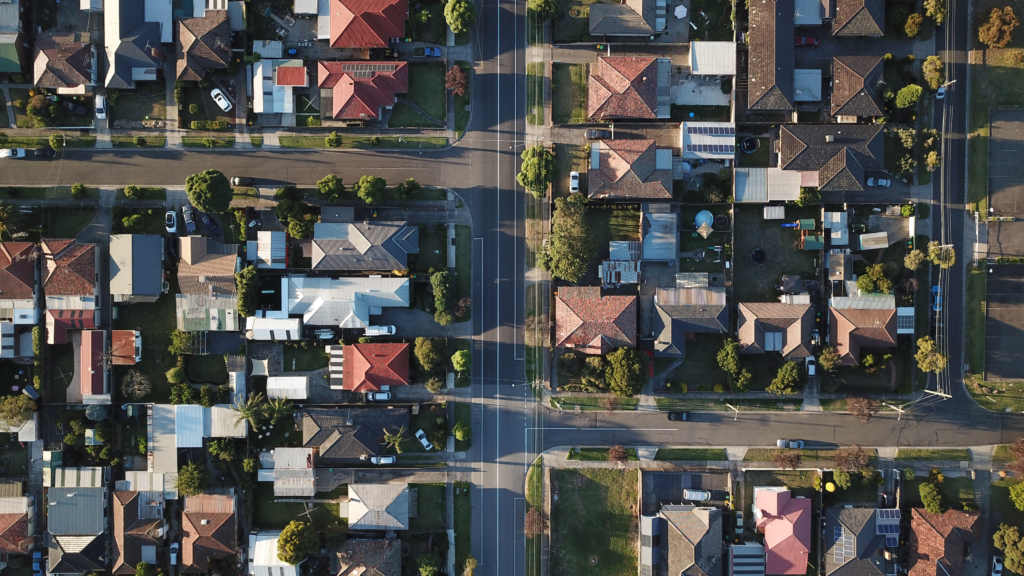
The concept of 20-minute neighbourhoods promotes more local grocery shopping. While the concept holds the potential to foster active travel, car use remains the prevailing mode of transport when shopping for food.
Odour pollution impacts our mental and physical wellbeing without being noticed very often – bad smells can have a negative impact on how we think and feel. Bad odour can affect our work and home environments in a negative way so why don’t we take it more seriously?