City Know-hows
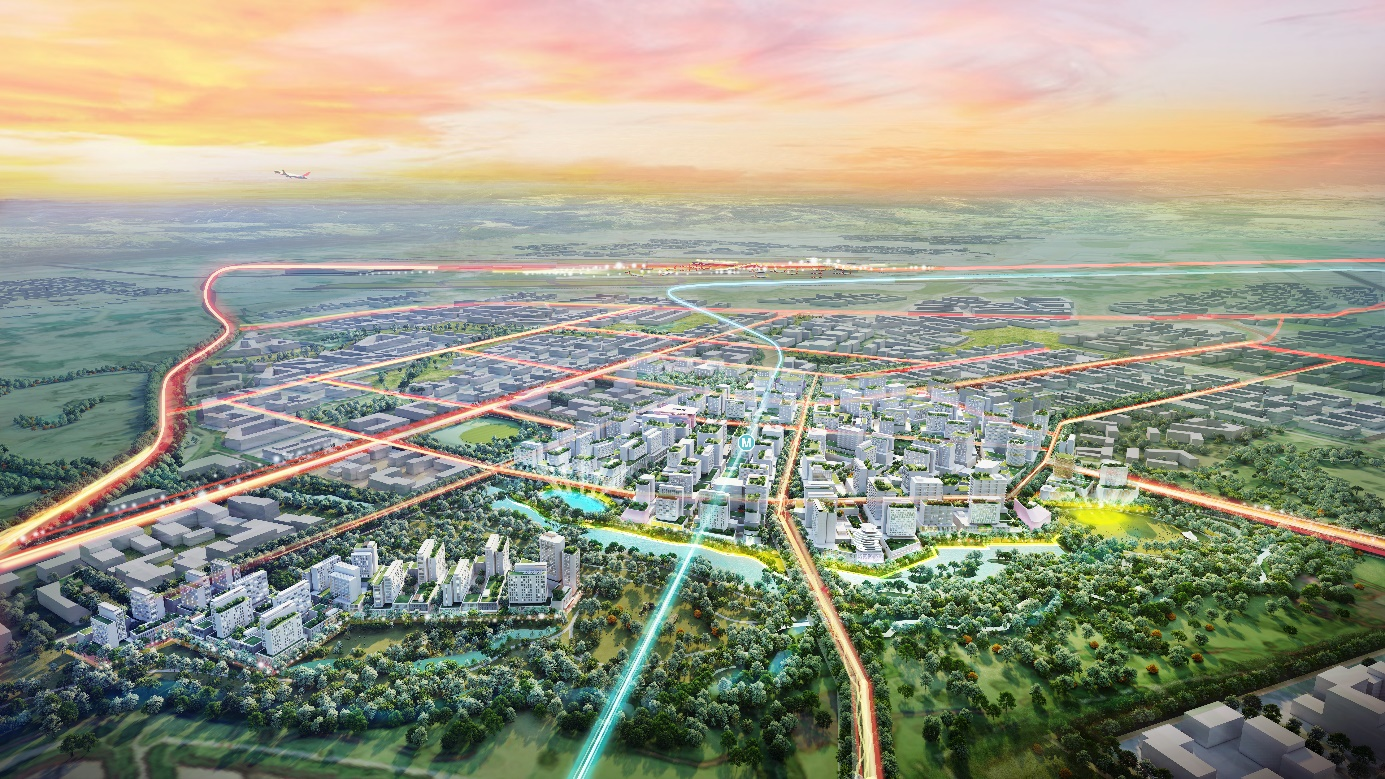
Seven key urban health policy ideas were found in the planning of Sydney’s Western Parkland City that draw upon different ontological perspectives. This case study prompts policy actors and researchers to reflect on their own assumptions, and others’ underlying assumptions to better understand where and how collaborations should occur.
Share
Target audience
City officers, urban planners, and urban health researchers.
The problem
Policy actors often fail to challenge their own assumptions about their policy ideas or recognise that these views may not be shared with others. This lack of reflexivity can reinforce implicit biases, leading to ineffective policies, incoherent policy ideas, lack of collaboration, confusion, and distrust.
What we did and why
We examined the foundational assumptions underpinning key urban health policy ideas within the planning of the Western Parkland City in Sydney, Australia. This analysis aims to foster a comprehensive understanding among policy actors, encouraging effective engagement in transdisciplinary collaborations.
Our study’s contribution
Our research reveals that the urban health policy ideas are informed by diverse ontological perspectives, transcending specific sector-based knowledge. This case study highlights the complexity and diversity of ontological perspectives that shapes urban health policy ideas in real-world urban planning policymaking.
Impacts for city policy and practice
Acknowledging both the similarities and differences in how actors perceive urban health policy ideas is critical in fostering a transdisciplinary approach to promote health through urban planning. Emphasising coherence rather than consensus in problem definition, goal setting, and implementing solutions is essential for effective transdisciplinary urban policy development.
Further information
Full research article:
Related posts

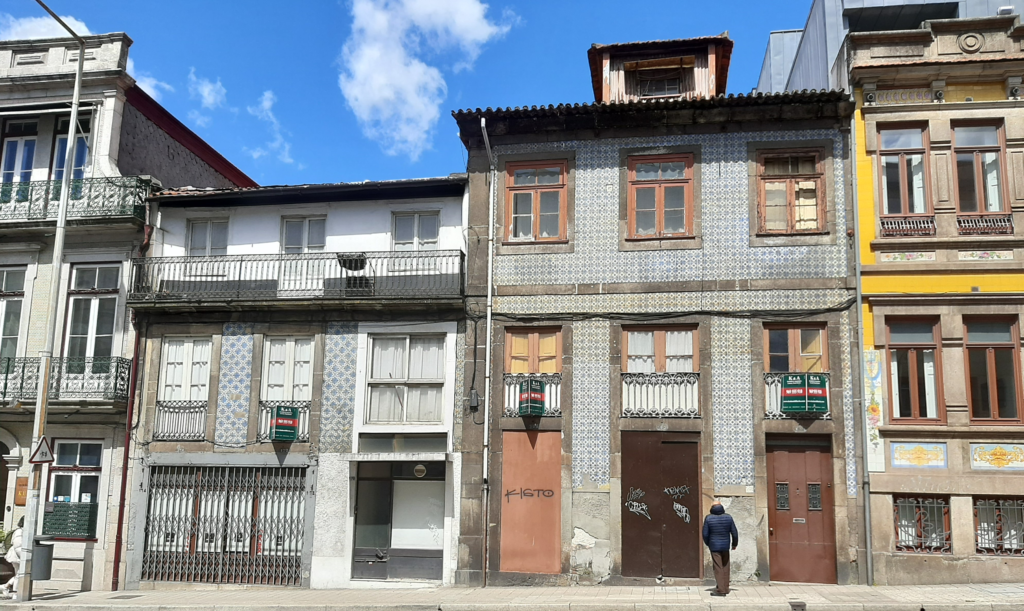
Gentrification is reshaping cities worldwide. It has both upsides and downsides for older adults, including rising costs, housing scarcity, weakened social ties, and mental health issues.
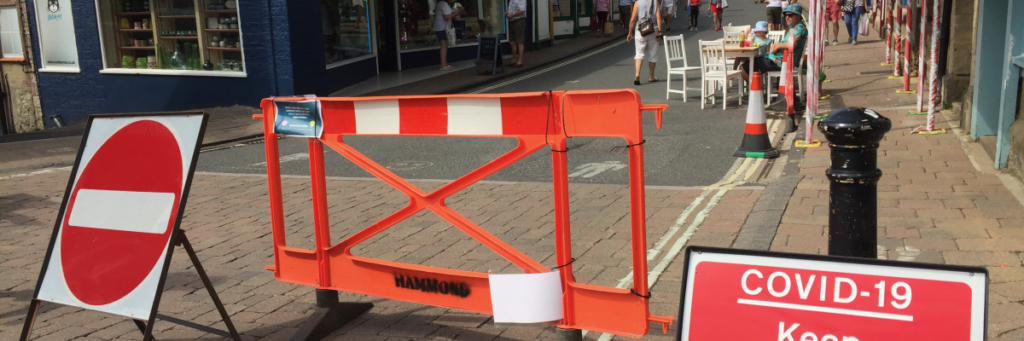
How will COVID19 change our relationship with public space and the future of city design? We outline the key ways in which city planning and the design of public space may change as a result of the COVID19 pandemic.
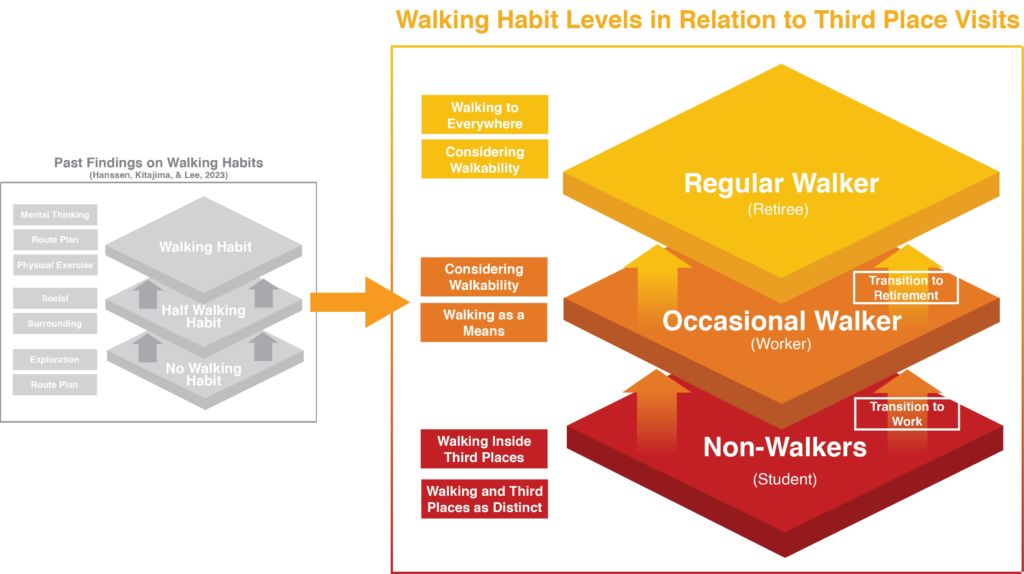
We explored the influence of third places on walking habits across life stages. Our study demonstrates the unique goal structures for students, workers, and retirees, identifying key patterns shaping walking behavior in cities. Integrating these findings into urban planning can revolutionize cityscapes and promote healthier, more active communities.