City Know-hows
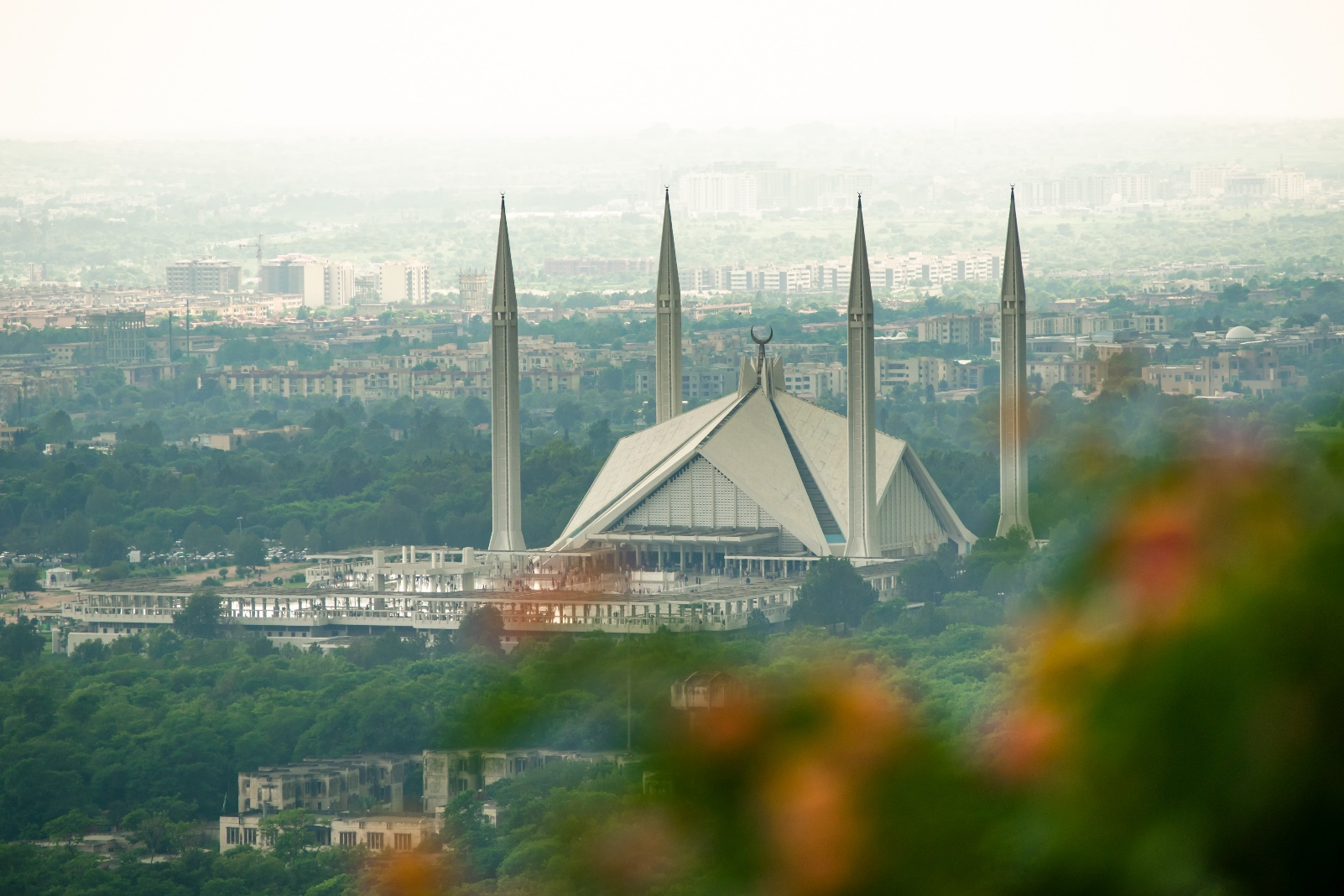
Unregulated urbanization in Islamabad fuels flooding and health risks like dengue, revealing gaps in environmental health integration. Our study’s insights urge planners to prioritize equitable, health-focused urban policies.
Share
Target audience
City officers and urban leaders in Pakistan and international organizations like WHO and UN-Habitat, who can drive knowledge transfer on health-integrated urban planning to address environmental risks in LMICs like Pakistan.
The problem
Rapid urbanization in Islamabad exacerbates environmental health risks, poor air quality, water contamination, declining green cover, inadequate waste management, and urban heat stress, particularly affecting informal settlements. Fragmented governance, institutional silos, symbolic policy integration, and low budgetary priority (5–15% for environmental health) prevent meaningful institutionalization of Environmental Health Indicators, leading to health inequities and unsustainable development in this once-model planned capital.
What we did and why
We conducted a qualitative study approach to explore Environmental Health Indicator integration in Islamabad’s urban planning. Through Key Informant Interviews and In-Depth Interviews, we examined air quality, water, green cover, and waste management policies. we aimed to uncover barriers like governance silos and symbolic policies to inform equitable urban health strategies, addressing the urgent need for health-focused planning in rapidly urbanizing cities like Islamabad to mitigate risks.
Our study’s contribution
Our study offers fresh insights into why Environmental Health Indicators remain poorly institutionalized in a planned capital like Islamabad, advancing understanding of governance failures in LMICs. It identifies fragmented governance as the core mechanism, with barriers like institutional silos, political interference, expert exclusion, and underfunding. Using the IAD framework, it provides a diagnostic tool for similar cities and highlights opportunities for reform amid ongoing Master Plan delays.
Impacts for city policy and practice
Our recommendations include establishing a dedicated Urban Environmental Health Authority for cross-agency coordination, embedding binding Environmental Health Indicator targets (e.g., air quality thresholds, green space ratios) in the revised Master Plan, ring-fencing budgets for environmental health (at least 10–15%), and creating real-time data platforms with public participation. These steps can help city leaders in Pakistan and beyond shift from reactive to proactive, equitable planning, reducing health risks in vulnerable communities.
Further information
Full research article:
Institutional inertia in a model capital: environmental health indicators and fragmented urban governance in Islamabad by Sibgha Laraib & Ejaz Ahmad Khan
Related posts

How can healthy, sustainable diets be accessible and appealing? We explore how Copenhagen residents navigate their food environments, what shapes their food practices, and what they’d like to change.

Public health has historically been an important factor driving urban planning policy in England but is currently rarely a priority. We explore the factors behind this, try to explain them in the context of policy developments since COVID-19, and consider what needs to change at national policy level to support healthier placemaking in the future.

Our review highlights the lack of urban green and blue spaces interventions to prevent violence against women and girls. We look also at how interventions could prevent violence against women and girls, reduce inequalities, and reshape social, cultural, and societal norms; promoting use of urban green and blue space for women and girls.