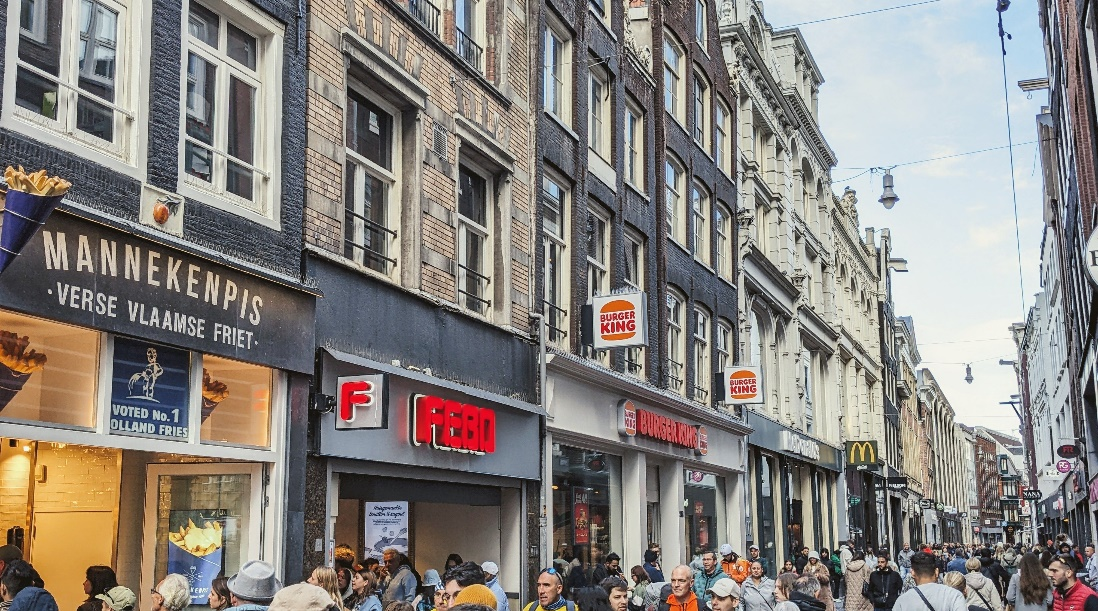

Dutch adults often use different food retailers than the geographically nearest, and distance to food retailers is not associated with snack food consumption. As such, policies to make cities healthier with respect to fast food outlets should perhaps not be distance-based.

Share

Target audience

Community advocates, municipal policy officers, public health and planning policy-makers

The problem

Food retailer access can be defined through distance-based metrics (i.e., distance to the nearest supermarket) or density-based metrics (i.e., number of fast food outlets in a given area). International studies suggest that density-based metrics are typically favoured over distance-based metrics. However, this may depend on the local context and type of food retailer. Local policymakers aiming to make the food environment of their city healthier need such contextual information.

What we did and why

We focused on the Netherlands, one of the most densely populated countries in the world. For a large group of Dutch adults, we compared the location of the nearest supermarket, discount supermarket and fast food restaurant with the location of these food retailer types that they reported to use in practice. We also explored whether distance to the nearest food retailer was associated with snack food consumption, and whether any observed link would be explained by people’s awareness and use of the available food retailers.

Our study’s contribution

In the Dutch context, adults typically use a different food outlet than the geographically nearest. This was most prominently visible for fast food outlets and less so for discount supermarkets and regular supermarkets. While distance to food outlets was not linked to snack food consumption, perceived availability and use of fast food outlets and regular supermarkets was linked to higher fast food consumption.

Impacts for city policy and practice

Cities considering zoning policies may want to distinguish between different types of food retailers, whereby distance-based policies may be appropriate for supermarkets and discount supermarkets, while restrictions on fast food outlets may need to be based on other metrics than proximity.

More information about our research group: The Upstream Team

Further information

Full research article:

Related posts

PLAYSmaking – play as a lever for placemaking and pedestrianisation

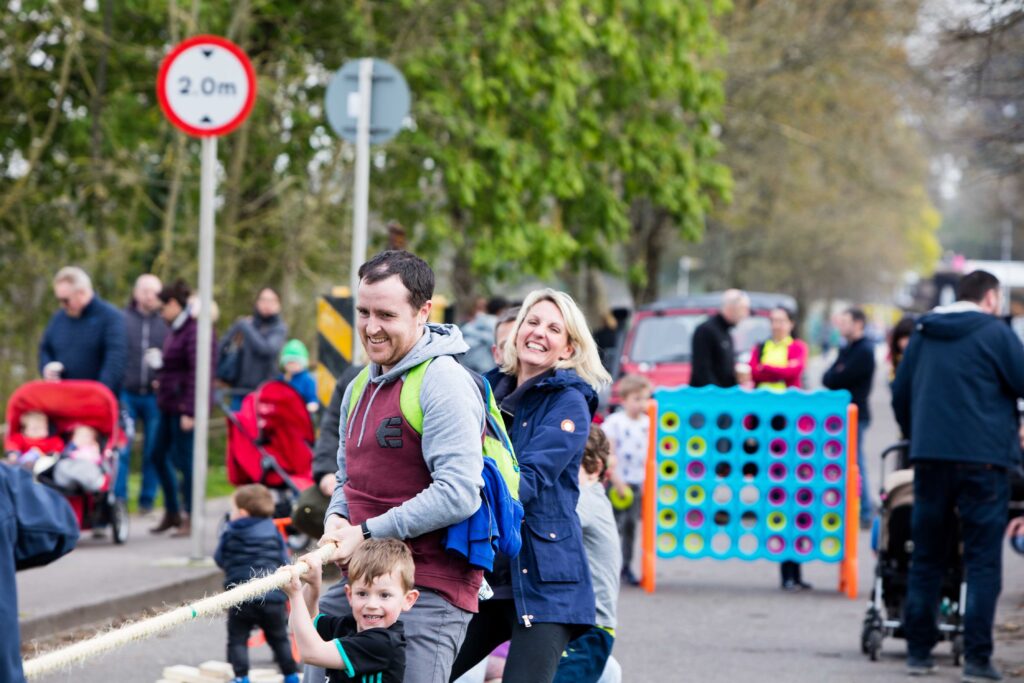
Intertwining play and placemaking (‘PlaysMaking’) in Cork city has inspired positive changes in the spaces, places and lives of citizens. The barriers of high car dependence and a history of resistance to pedestrianisation policies in the city were overturned by levering play to temporarily pedestrianise areas in the city. Community led PlaysMaking in Cork City has secured the permanent pedestrianisation of public roads, creating inclusive recreational spaces and led to the creation of dedicated public spaces for popup events and playful cultural trails.
Read More »