City Know-hows
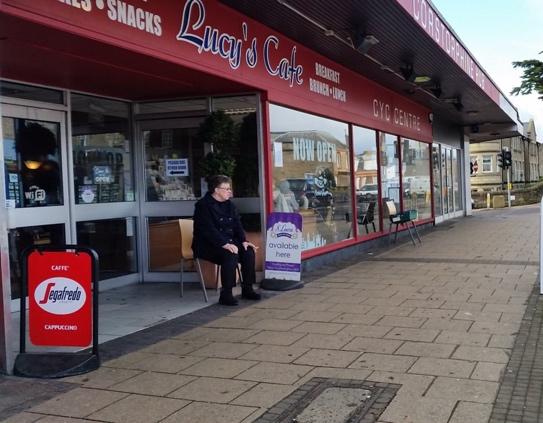
Beyond the Home: This research explores how local high streets enhance older adults’ well-being by fostering social connections, a sense of place, outdoor activity, and independence, highlighting their essential role in ageing-in-place policies and urban health strategies.
Share
Target audience
City centre officers and managers, urban planners and public health professionals.
The problem
As people grow old, many prefer to stay in familiar homes and neighbourhoods to enhance their well-being through local services, known as ‘ageing in place.’ This approach can be cost-effective when utilizing existing infrastructure and is particularly relevant as the population ages. Despite perceptions of decline, in the UK and in many other countries, high streets remain vital hubs f for this purpose, yet previous studies have overlooked how older adults use them to support their everyday lives and well-being.
What we did and why
To understand how the everyday use of local high streets can benefit older people’s well-being, we opted for an in-depth, inductive, place-based investigation using three different local high streets in Edinburgh, Scotland, as case studies. To gain deeper insights into participants’ self-reported well-being in relation to their everyday use of local high streets, three types of interviews were employed as the primary data collection methods: walking interviews, semi-structured interviews, and focus groups.
Our study’s contribution
The research shows that local high streets offer social, spatial, and material resources that enhance older people’s well-being in four key areas: social well-being, sense of place, enjoyment and activity, and a sense of purpose. Participants indicated they would likely relocate to a nearby town centre if their local high street disappeared. This underscores the need to recognise local high streets as essential infrastructure for shaping inclusive ageing well in place policies.
Impacts for city policy and practice
With projections suggesting that nearly one fourth of the population in the UK and many other countries will be over 65 in the coming decades, the research highlights the need for a holistic, place-based perspective on ageing and well-being. The main implications for policies are:
Further information
Full research article:
[OPEN ACCESS] Ageing in place, local high streets, and well-being by Luca Brunelli, Harry Smith & Ryan Woolrych
Related posts

Death remains an ever-present threat to the unhoused community. Hostile architecture designs like benches with middle armrests or spikes along ledges likely contribute to the massive health disparities homeless individuals face. It’s time to design something new.

How people use energy affects their health, current approaches focus on behavioral change or interventions in the home. This strategy discounts the influence of healthcare. To integrate healthcare into this issue we need to engage with how it is already understood within healthcare and what the challenges are.

Our research provides new evidence for the importance of third places in supporting retirees’ well-being and social engagement. We found that these spaces can play a significant role in fostering a sense of belonging, improving mental and physical health, and facilitating social interactions.