City Know-hows

An integrative approach to equitable climate resilience

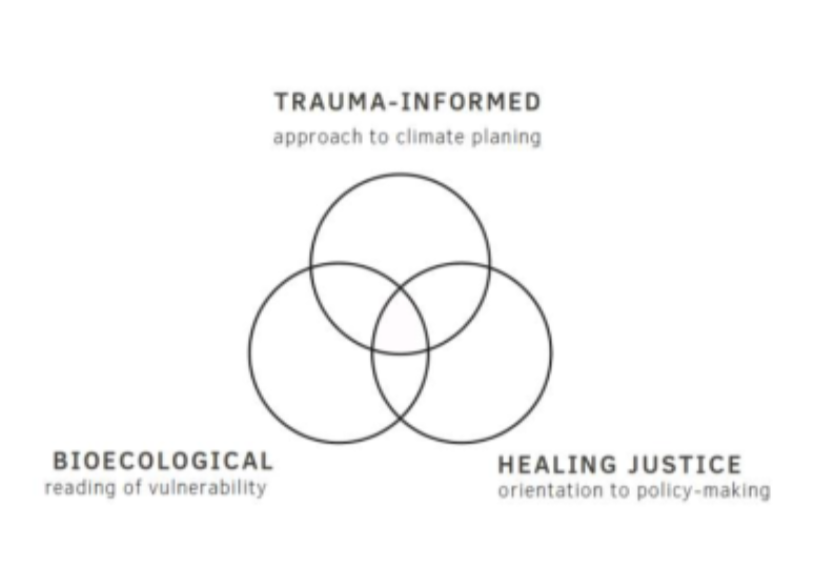
The Integrative Resilience

Target audience

Transnational municipal networks such as C40, ICLEI Resilient Cities, UCCRN; Journalistic platforms covering cities (e.g. The Guardian, The Atlantic, Grist, Bloomberg Cities); Media-makers (e.g. How to Save a Planet podcast; OnBeing podcast; Democracy Now; All We Can Save; Heated newsletter).

The problem

Our approach to resilience and vulnerability is narrow and outdated. It barely considers the health implication of climate change on urban populations, and even less so its mental health dimensions. Climate change will likely increase exposure to trauma, so integrating the principles of trauma-informed care and healing justice is urgently needed to design meaningful interventions that foster equitable climate outcomes.

What we did and why

Investigated how ‘official’ narratives and visions of resilience, as found in municipal climate plans, compared to the needs, values, and priorities of populations on the ground – especially vulnerable groups. Convened a public workshop in case study cities to complement document review and key informant interviews with the experiences of frontline groups. Proposed the original concept of ‘integrative resilience’ to stimulate innovation among policy-makers, urban practitioners, and community leaders in transforming the way resilience is planned in cities.

Our study’s contribution

  • A new way of thinking about vulnerability, and a more expansive and attuned picture of what it takes to be resilient at a time of rampant climate change;
  • Introduction of a new definition of resilience that integrates insights from disciplines such as interpersonal neurobiology and public health that add to our understanding of what healthy adaptation could look like on the ground.

Impacts for city policy and practice

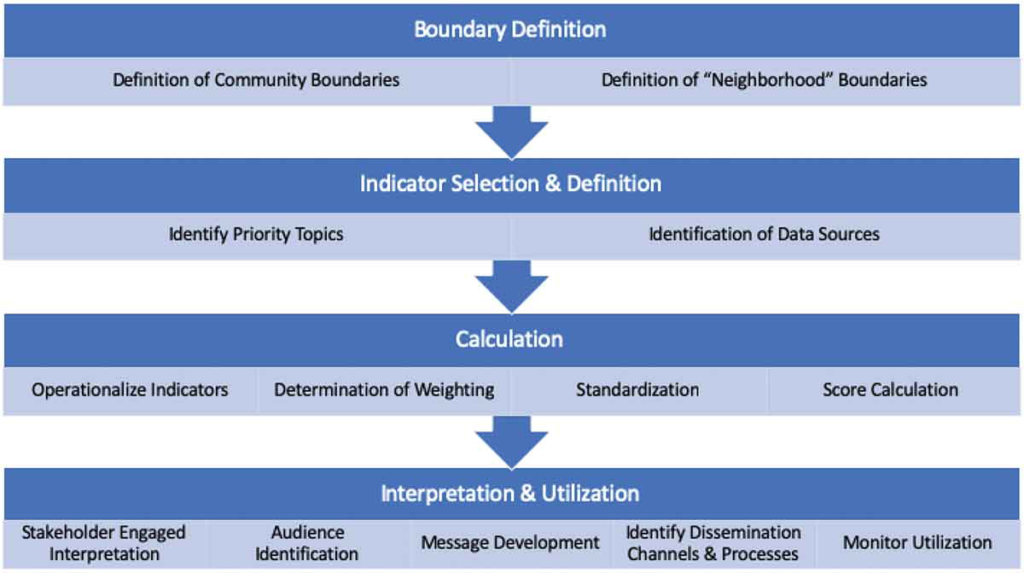
There need to be deeper understanding of local needs, values and priorities when it comes to defining and operationalizing resilience. This approach provides a blueprint for expanding current focus of climate action plans and municipal interventions, complete with preliminary recommendations for new indicators to assess population health and metrics of success. This model equally applies to systemic crises such as COVID-19.

Further information

Full research article:

Leave a Reply

Your email address will not be published. Required fields are marked *

Related posts

Perceptions of design professionals regarding vertical greenery in buildings – A case of Delhi

Our study provides valuable insights by examining the obstacles and viewpoints regarding vertical greenery systems in Delhi. It highlights the technical challenges as significant adoption barriers among built environment professionals. Emphasizing the pivotal role of vertical greenery in climate change mitigation, this research advocates for further scholarly investigation and evidence-based policy formulation. This deepened understanding supports the seamless integration of vertical greenery systems into urban landscapes, fostering sustainability and resilience.

Read More »
Huge crowd and its shadows

Walkability for all in our cities

To work for the Right to Walk the City is to advocate for health and social justice. Public Health as a multidisciplinary action is fundamental to achieve that goal. The ‘15-minute city’ model exemplifies this approach but remains hindered by barriers such as inadequate infrastructure and social discrimination, limiting walkability for underserved communities.

Read More »