
Professional’s insights into planning and designing for extreme heat
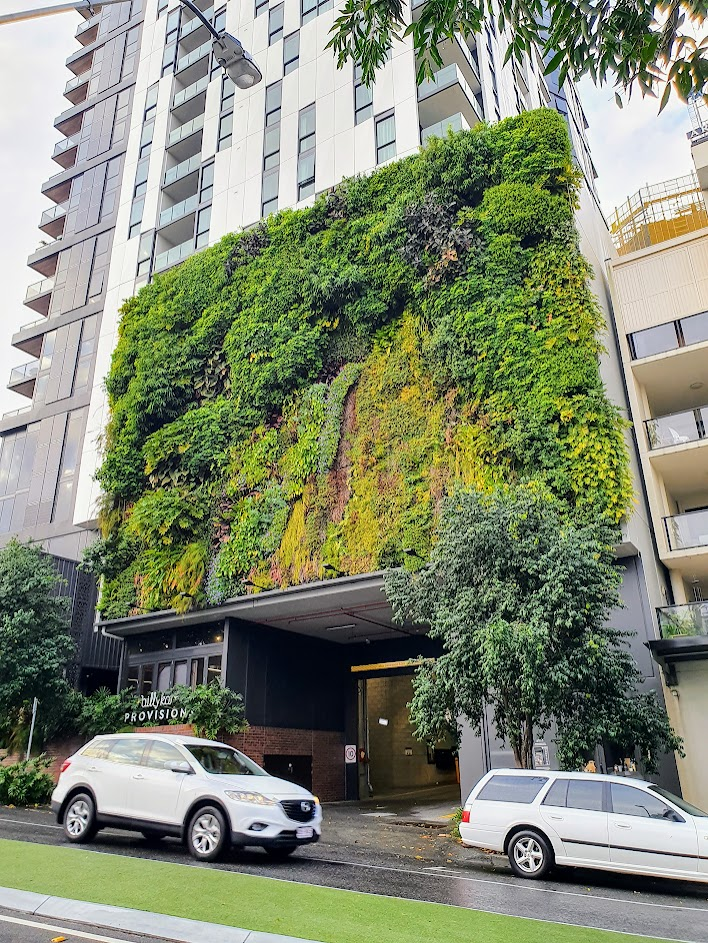
Our urban environments are getting hotter, yet urban design and planning solutions which can mitigate heat are rarely used. There is a need for further education and strategic planning policy positions to support heat mitigation policy and practice in the built environment.
Neighbourhood effect on mental well-being of the citizens in Asian and African cities
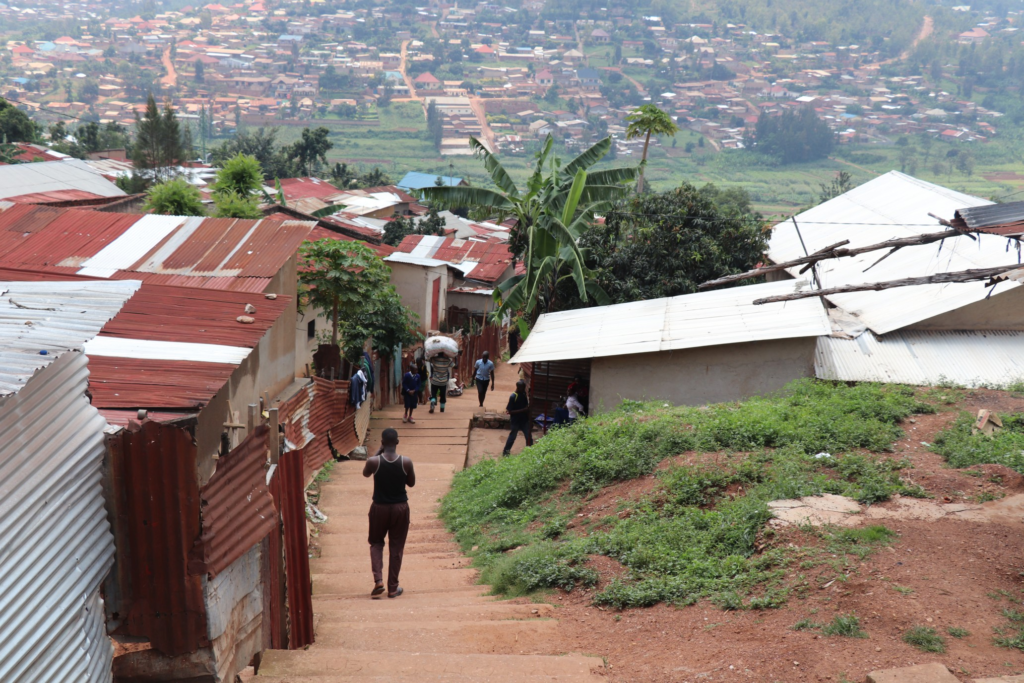
Our cross-sectional study of 272 neighbourhoods of thirteen cities shows that diverse physical and social attributes of neighbourhoods influence mental well-being of the citizens in the Asia and Africa.
Using a liveability index as a mechanism to appraise city quality for healthy ageing
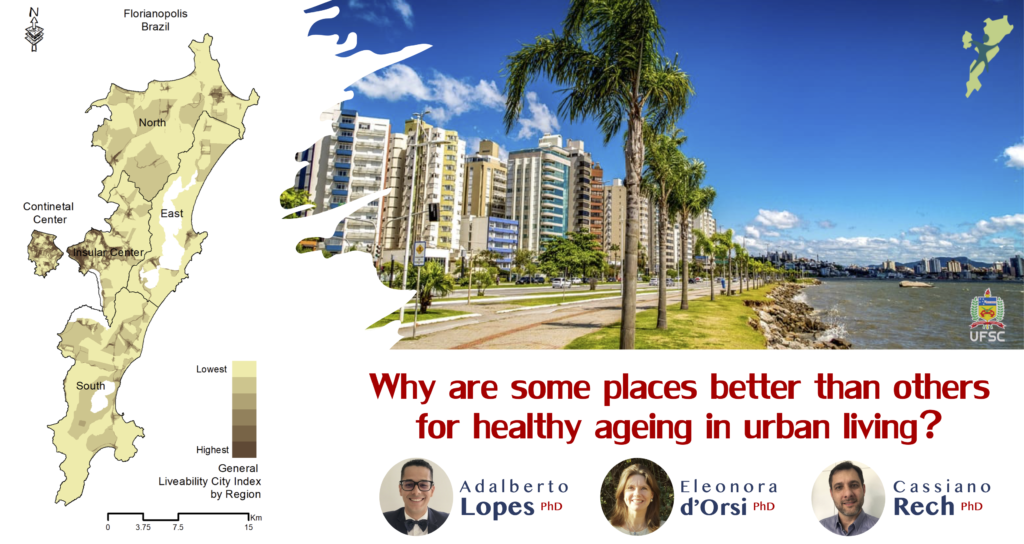
Urban health is a complex system that involves several indicators acting together, there is no single solution to the health-related issues in cities. We wanted to promote healthy ageing in urban living. Our strategy was to take people’s needs and demands into account, when evaluating, monitoring and proposing feasible changes in built, natural and social environments.
Fostering independence in children for a healthier future

This paper explores the relationship between parents’ sense of belonging and their children’s independent mobility. We found that parental satisfaction with their living environment can be influenced by their sense of belonging, ultimately creating a community with more independent children.
Do 20-minute neighbourhoods promote active travel and interactions with local food stores?
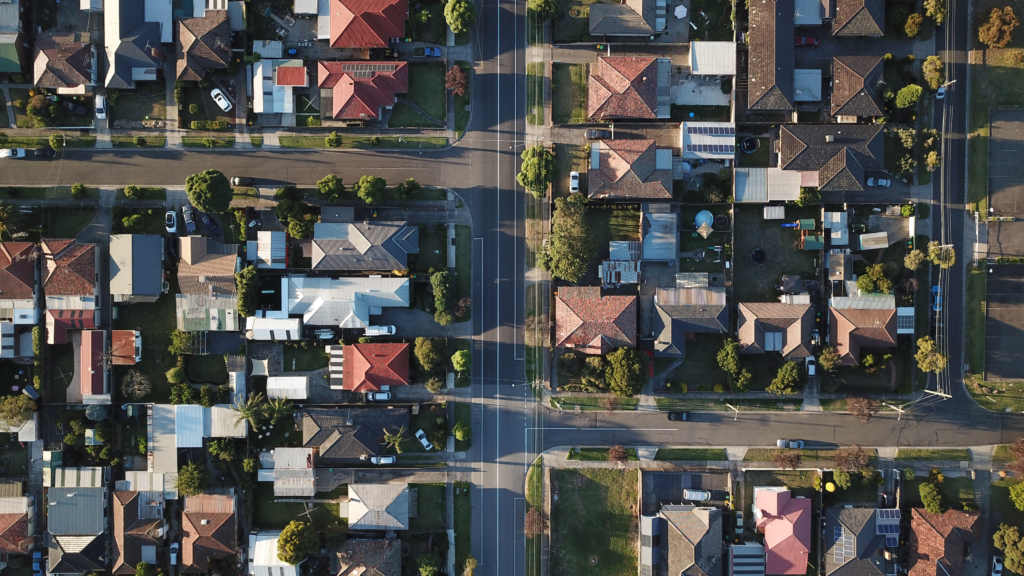
The concept of 20-minute neighbourhoods promotes more local grocery shopping. While the concept holds the potential to foster active travel, car use remains the prevailing mode of transport when shopping for food.
The value of incorporating inhabitants’ perspectives on health into municipal spatial planning processes
Stronger collaboration with inhabitants could ensure more attention on health in spatial plan development.
United communities: Embracing community participation through public open space planning in Aotearoa New Zealand
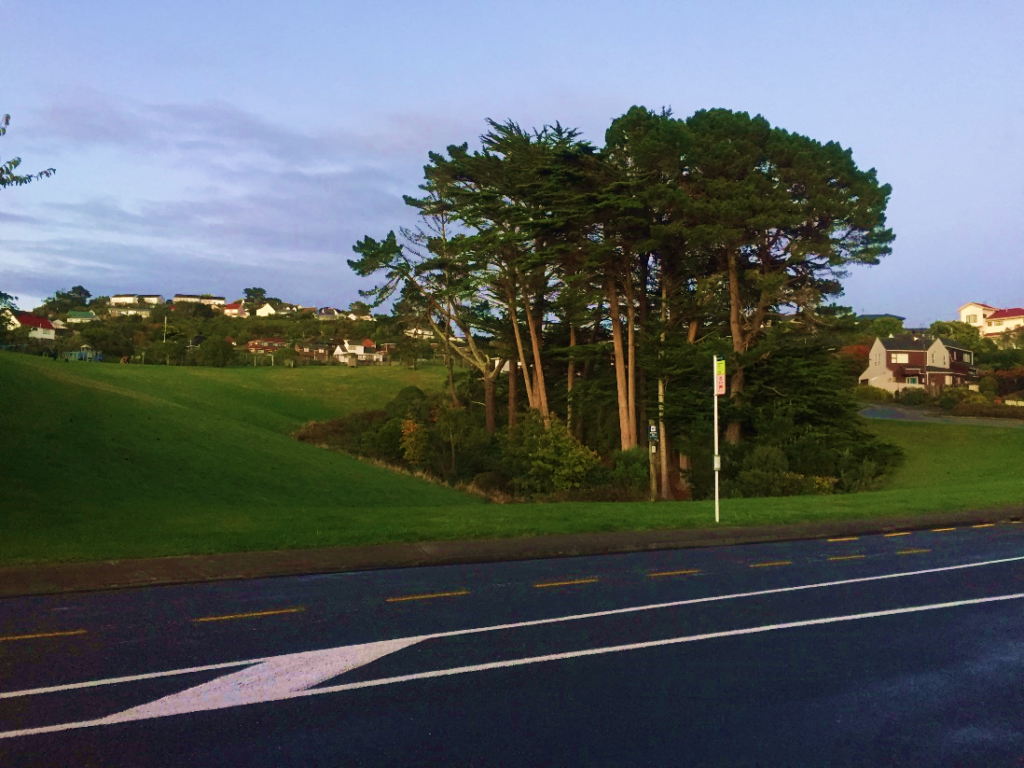
Implementing community participation in planning of public open spaces is one of the most useful and effective means to encourage a higher sense of community.
The answer is ‘runnable’ cities!
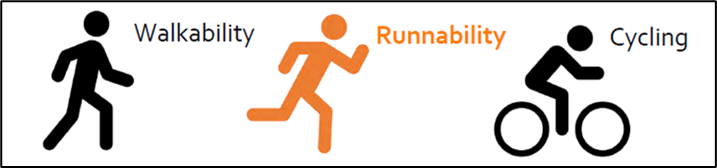
The ‘runnability of cities’ as a novel spatial planning approach can enhance healthier and more enabling environments for everyone.
Travelling through river cities and towns in northeastern Thailand

I use the travelogue methodology to investigate urban health and sustainable development in relation to the Mekong River in northeastern Thailand, revealing new insights and bringing travel to urban areas near the river into knowledge production.
Gentrification and the health and wellbeing of older adults
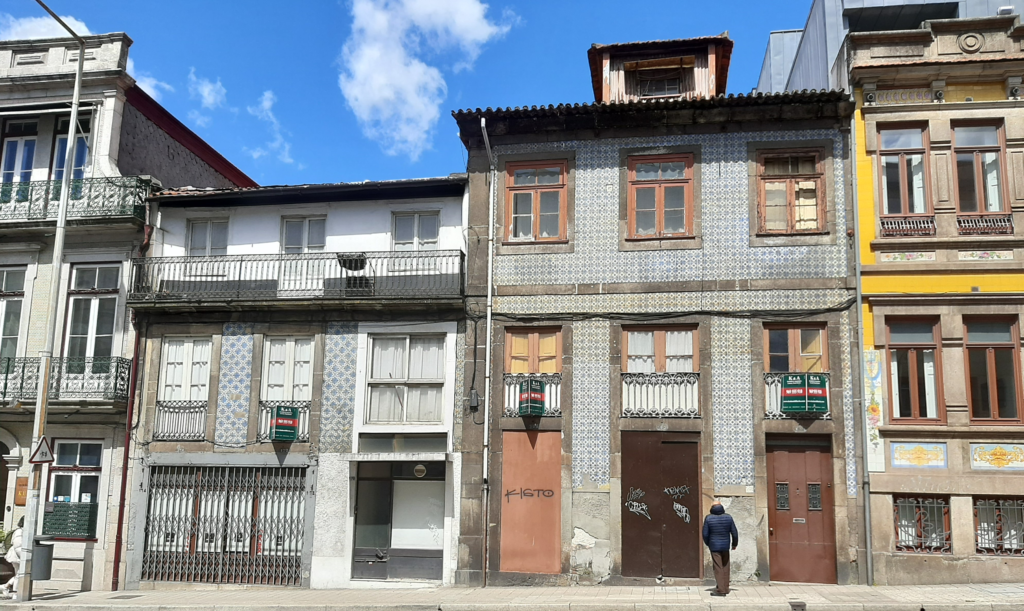
Gentrification is reshaping cities worldwide. It has both upsides and downsides for older adults, including rising costs, housing scarcity, weakened social ties, and mental health issues.