

City Know-hows
Urbanization escalates stress and disease, yet biophilic design falters when biophobia spikes cortisol 10%. Bio-reconciliation—synthesizing nature’s benefits with risk mitigation—slashes health disparities, urging city leaders to adopt this evidence-driven architectural revolution.
Share
Target audience
City Planning Directors and Urban Public Health Strategists.
The problem
We= diagnose urbanization’s toll: 60% of city dwellers face stress-related morbidity, which biophilic design aims to curb; yet my 100-study review reveals biophobia’s backlash, like glare spiking cortisol 10%. This dialectic, rooted in evolutionary and urban disconnect, exacerbates health inequities e.g., 30% higher stress in underserved areas —demanding my evidence-based, Hegelian synthesis to recalibrate architecture for resilience.
What we did and why
We carried out a 100+ study scoping review via PRISMA-ScR to quantify biophilic design’s to forge bio-reconciliation, addressing inequities like 25% higher respiratory issues in poor areas, advancing architectural science for equitable, resilient urban futures.
Our study’s contribution
We introduce bio-reconciliation, a dialectical synthesis of biophilia and biophobia, validated by my 100+ study PRISMA-ScR analysis, redefining urban health design:
• Prove biophilia’s efficacy—e.g., urban trees reduce asthma prevalence 12%.
• Counter biophobia’s toll—e.g., diffused light lowers cortisol 12%.
• Bridge equity gaps—e.g., curated planting cuts respiratory morbidity 20% in deprived zones.
Impacts for city policy and practice
I establish bio-reconciliation as a dialectical tool to revolutionize urban policy and health outcomes:
• We mandate light modulation, slashing cortisol 12% to boost worker well-being.
• We champion allergen-controlled greenery, cutting asthma prevalence 12% citywide.
• We drive equitable resilience, reducing respiratory emergencies 20% in marginalized zones.
This research demands the attention of key international stakeholders to drive bio-reconciliation’s global impact on urban health and equity:
1. City Planning Directors: Charged with resilient urban futures, they must leverage this dialectical framework—e.g., biodiversity zoning slashing heat stress 8% — to curb the 40% mental health crisis looming by 2030, scalable from megacities to emerging urban centers.
2. Urban Public Health Strategists: Facing a 71% non-communicable disease burden, they need bio-reconciliation’s precision—e.g., filtered water features dropping blood pressure 4–6 mmHg — to fuse health equity into built environments worldwide.
These leaders, pivotal across developed and developing contexts, can transform cities by operationalizing this evidence-driven synthesis, as validated by the scoping review’s 100-study analysis, aligning with Cities & Health’s mission.
Further information
Full research article:
Bio-reconciliation in architectural design: a dialectical synthesis of biophilia and biophobia for urban health and sustainability by Fatemeh Bolourchi, Mohammad Aliabadi & Amin Habibi
Related posts

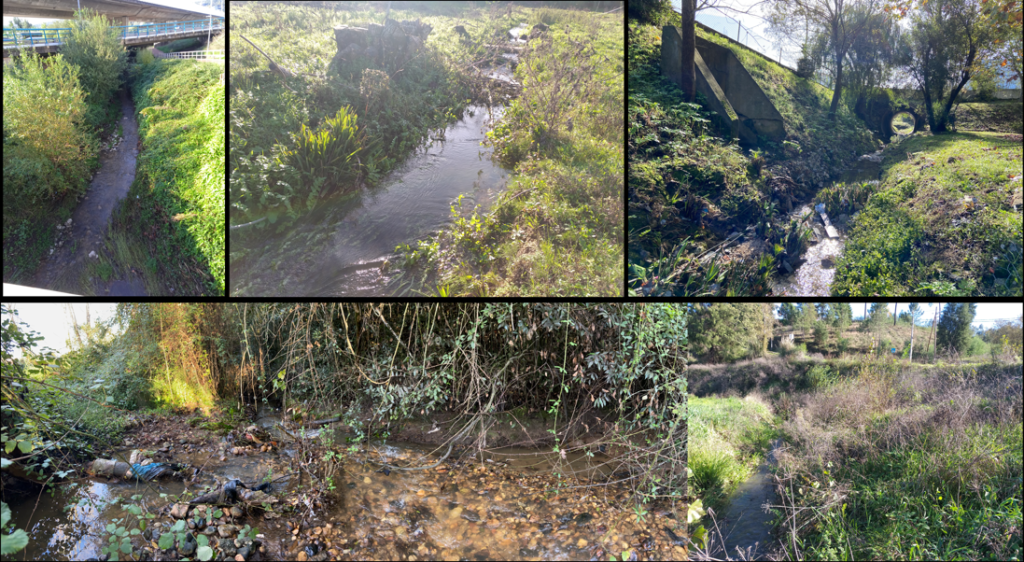
The degradation of the urban freshwater ecosystem has consequences to human population of cities. We proposed and tested an approach to identify and quantify the risk for the populations living near urban streams within the city, due to the degradation of ecosystems services.

Public health authorities encourage outdoor activity while physical distancing during the pandemic, but could the built form of cities and neighbourhoods support outdoor activity during COVID-19?
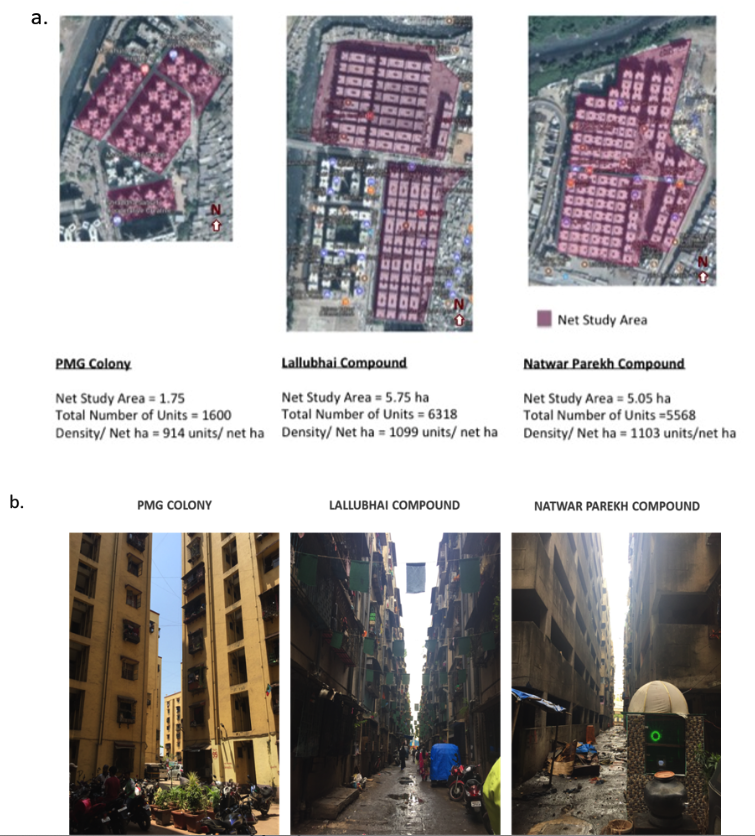
In resettlement colonies of Mumbai, tuberculosis is rapidly spreading due to the poor natural ventilation and sunlight access. This is because of bad designing and