

Opportunities and challenges of using mobile phone data for evaluating placed-based interventions: A green space pilot

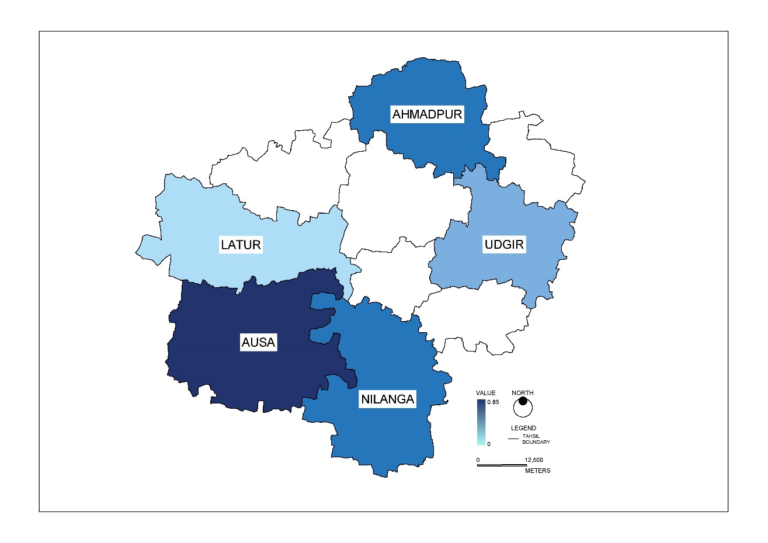
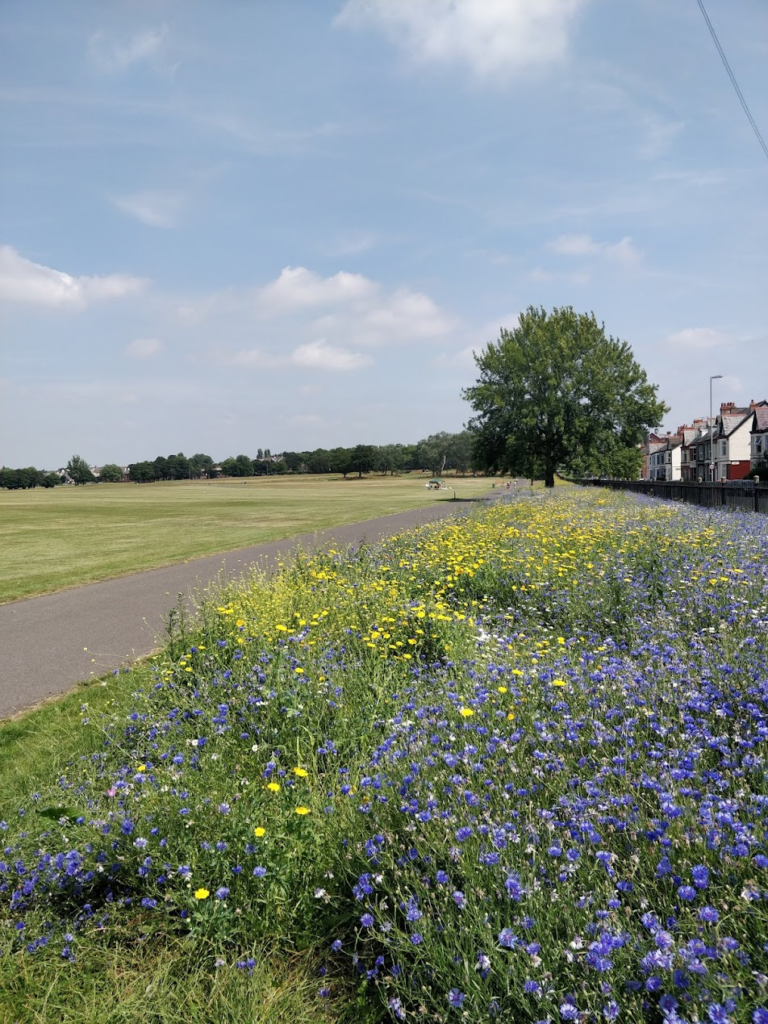
There is limited evaluation of whether green space interventions lead to more people using these spaces. This is partly due to the difficulty of collecting data on visits to green spaces. Mobile phone data may offer one solution, but are rarely made available to researchers. As such, there is less examination of whether these data are valuable. We accessed small area anonymised mobile phone GPS data for Liverpool (2021-2022). Using a case study of wildflower planting, we identified green spaces where wildflowers were planted. A synthetic control was then constructed to identify similar green spaces where planting did not take place. We then compared the number of visits post-intervention between the intervention and control green sites. Our paper also gives an empirical and methodological evaluation of the strengths and weaknesses of using mobile phone data, which can inform others on how to best use them.

Read More »

Healing the city: a diagnostic approach to decoding stress in urban public spaces

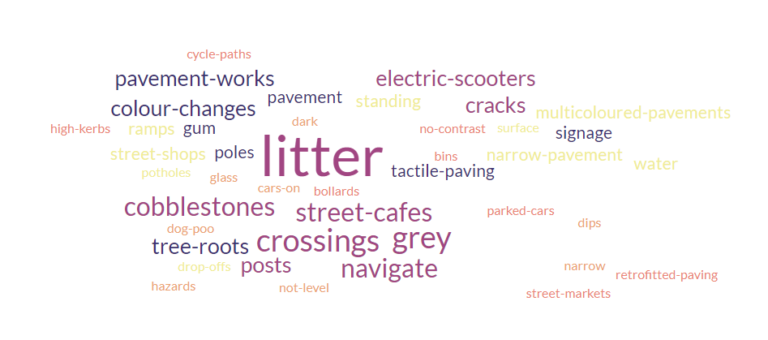
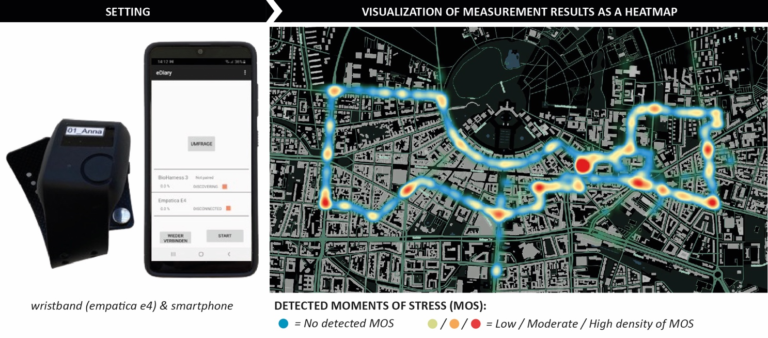
This newly developed methodological approach aims to identify the underlying causes of stress in urban environments. To this end, it analyses a broad spectrum of perception-related factors from various fields to capture the full complexity of human perception in a more holistic manner. The evaluation of five case studies using the so-called ‘Stressor Matrices’ serves as the basis for deriving initial hypotheses about the triggers of urban stress.

Read More »

A case study in developing a Health Impact Assessment from the eyes of a Community

Our collaboration co-created a new methodology reimagining the design, delivery, and management of the Health Impact Assessment using a community lens of the WHOs four interlinking principles: democracy, sustainable development, equity, and ethical use of evidence. We produced an assessment showing the differences between technocratic and experience-led approaches, and shared our methodology with 10 groups from around the UK in a pilot programme who conducted their own exercises locally.

Read More »

A psychology and power intervention to help decision-makers prioritise health in ­­­urban development

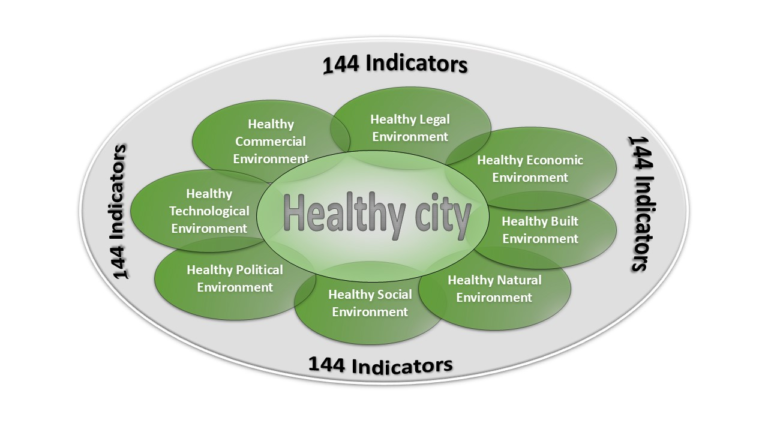
Evidence overwhelmingly suggests that the built environment has an impact on people’s health, particularly in terms of noncommunicable diseases such as asthma, diabetes and poor mental health. However, health is rarely prioritised in urban planning decisions at present, and earlier work by this research group has shown that senior decision-makers feel they lack the power to influence planning and policy decisions in order to improve the situation. This intervention area adds to the wider research programme, which is focused primarily on the delivery of quantifiable socio-environmental and health economics valuations. People make decisions not just based on economic valuation, so an understanding of why people make decisions and how those decisions can change is essential. This paper describes the methodology that will be used to develop this intervention. Findings will be published later.

Read More »