The urban health crisis: How city living is quietly fueling the world diabetes crisis

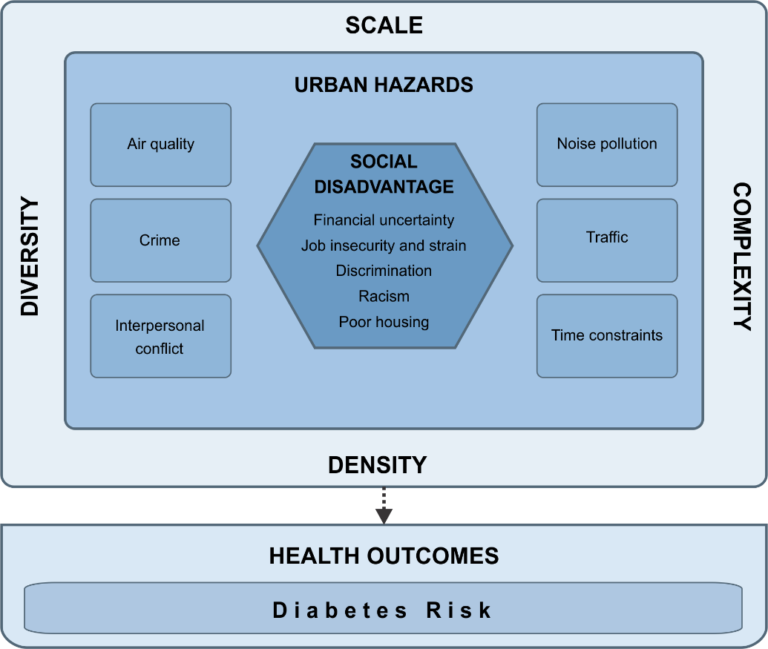
We present a novel conceptual framework called the Urban Stress Model, which intentionally crosses disciplinary boundaries. We suggest that the unique physical form of cities contributes to an increased stress burden through the interacting influences of daily urban hazards and social disadvantage. We use New York City as a case example because of its high diabetes rates and its legacy of unequal healthcare in the context of concentrated wealth. Therefore, New York City can provide valuable insights for newly developing urban centers worldwide confronting similar challenges and growing social and health inequality.

Read More »

A pragmatic all-inclusive method to uncover drivers of health in high-density apartment buildings

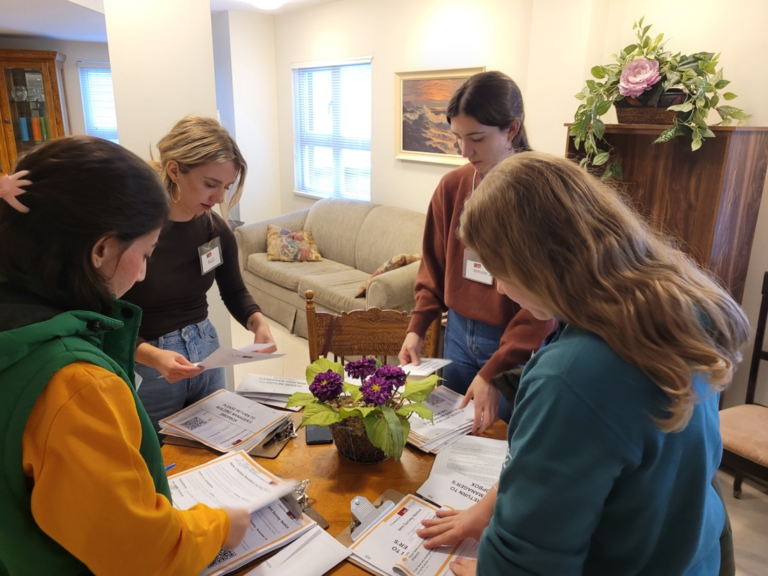
This research from Sydney shows the value of combining qualitative flexibility with systems thinking. Key contributions include: 1) Demonstrating how conversational, non-rigid methods reveal overlooked drivers of health and well-being. 2) Showing that human–environment systems perspectives add depth to urban health research. 3) Providing a never-before-used resident-centred approach for studying complex city living challenges.

Read More »

What determines better neighbouring among affordable housing residents in Metro Vancouver, Canada

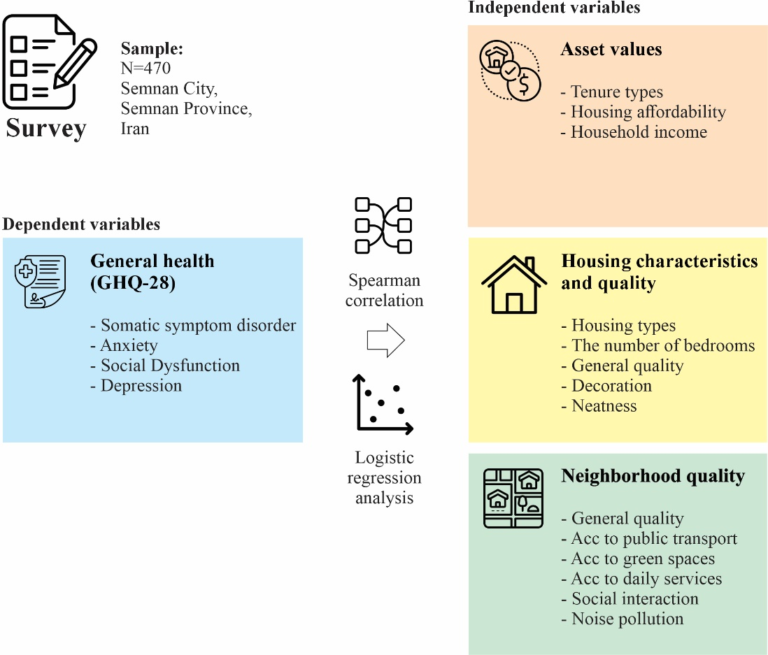
At the intersection of urban and public health policy, the success of higher-density affordable housing solutions to serve an inclusive well-being agenda depends upon reducing the association of these lifestyles and built environments with loneliness and social isolation. We construct a pro-neighbouring index and test its predictors using an ordinal logistic regression model based on resident survey data.

Read More »

A framework to integrate health into urban climate policies: A city-level approach for better planning

Urban planning significantly impacts public health, yet health considerations are often overlooked in city development strategies. Climate change further exacerbates urban health risks, particularly in vulnerable regions. Despite growing recognition of the link between urban planning and health, cities lack structured methodologies to quantify and integrate health-related data into policy. Without systematic approach, cities struggle to identify disparities, allocate resources effectively, and create health-resilient urban environments. Addressing this gap is critical for sustainable urban development.


Read More »

Lessons from a car-free settlement for child-friendly urban mobility

Our study focuses on active and independent mobility of children in a car-free settlement which can be promising for developing policies for a child-friendly urban future and mobility justice for children. The outputs of this study can bridge the gap between vehicle-oriented and non-vehicle-oriented settlements and enable the transfer of good experiences.

Read More »

Paving the way for active mobility: Insights from Brussels and Malta

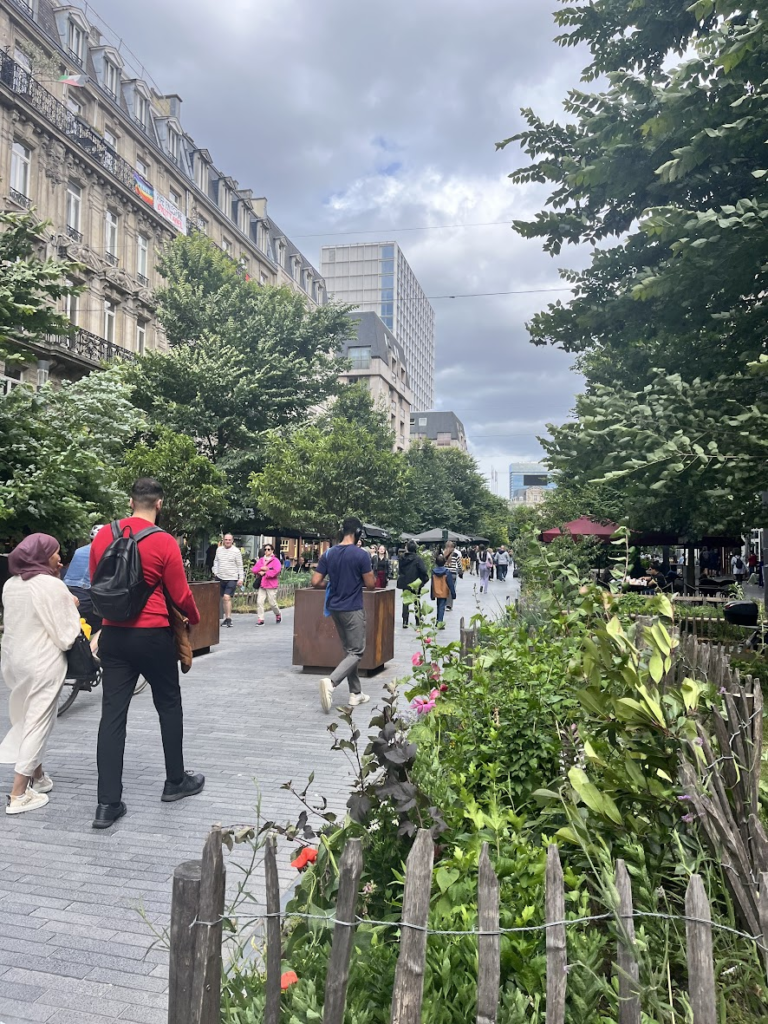
How can cities like Brussels and Malta overcome barriers to active mobility and create healthier, more sustainable urban environments? Discover the challenges, strategies, and key insights from local stakeholders on paving the way for a transformative future of mobility. Through interviews with key stakeholders, we explore solutions like citizen involvement and organisational changes that can drive urban transformation and support sustainable, active mobility.

Read More »

Using children’s travel and neighbourhood experiences to design walkable and inclusive cities. 

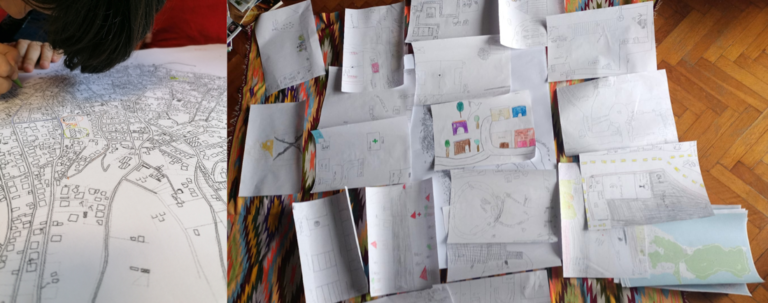
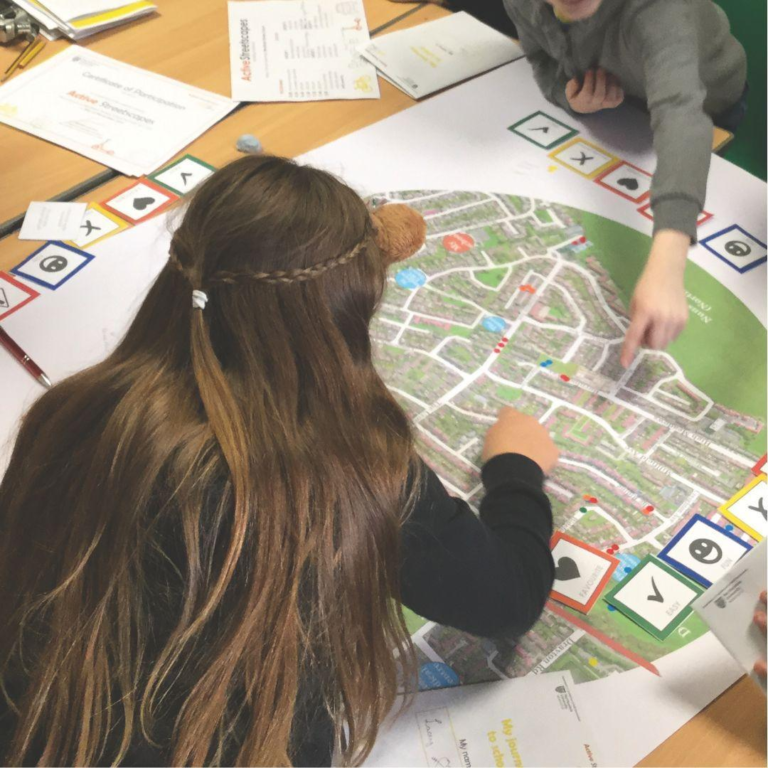
We worked with 82 primary school children (aged 9-10) from four schools and neighbourhoods in Newcastle upon Tyne, UK. Through focus group discussions, we asked them to share their travel experience in their neighbourhoods. Using age-appropriate maps and playful stickers, we gathered insights into their experiences, to identify patterns in what children need from their neighbouhoods. In addition, we mapped their comments to specific locations to better understand the relationships between the built environment features and children’s experiences.

Read More »