
City Know-hows
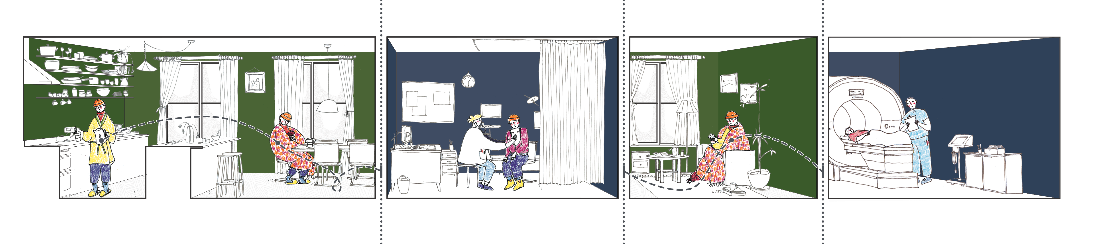
How people use energy affects their health, current approaches focus on behavioral change or interventions in the home. This strategy discounts the influence of healthcare. To integrate healthcare into this issue we need to engage with how it is already understood within healthcare and what the challenges are.
Share
Target audience
Healthcare professionals, Energy policy makers
The problem
We know that how people use energy in their home affects their health, however little is known about how healthcare professionals understand this relationship. Furthermore, how this understanding influences their professional practice is not widely examined. We need to know how healthcare professionals interact with the relationship between energy and health so we may know how they can influence it.
What we did and why
For this review we took a two-prong approach to understand not only how healthcare professional engaged with the social issues of their patients but also how healthcare in general conceptualised the home. This approach was taken to cover both breadth and nuance within a complex issue. We were able to look at a broad body of health literature that referred to the home, and pair this with more focused work that drew out conclusions of how healthcare professionals understood the social needs of their patients.
Our study’s contribution
This review demonstrates how healthcare literature conceptualises the home, as a location only and not as an effector of health. Additionally, this review reveals that while healthcare professionals understand the relationship between energy use and health, they do not consider engaging with this to be part of their role. In instances where they do feel it is their role; they raise challenges to discussing social needs with their patients. These challenges were seen to be lack of resources to discuss with patients, concerns over privacy for discussing with patients, and lack of referral routes to effect change.
Impacts for city policy and practice
Currently the relationship between energy use and health is approached through amending resident behaviour or interventions into the home. These systems need to connect with healthcare so that those in need of support are more easily identified. Additionally tackling the relationship between energy and health has the potential to benefit healthcare processes making them more effectual, as well as potential to lessen the burden.
Further information
Full research article:
Energy use in the home and consequences on healthcare practices: a review by Natalie Bamford and Sonja Oliveira
Related posts

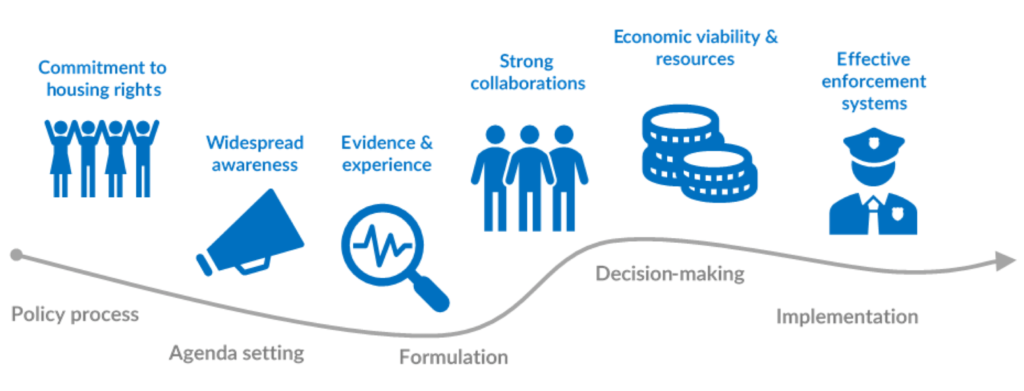
The foundation is to generate awareness and evidence of existing housing conditions and their health impacts. Then collaborate across sectors and with stakeholders, establish effective enforcement systems, and tackle issues around private rights.

The quality of life for autistic individuals is closely linked not only to societal attitudes and the level of support provided by local and national authorities but also to the spatial and formal aspects of their surrounding environment. A key question is: How can urban planners, architects, and decision-makers facilitate the creation of autism-friendly cities?

Evaluating urban environments is crucial for enhancing mental well-being. Identifying key indicators and developing a robust framework are essential steps in effectively measuring the impact. This method is fundamental for designing targeted strategies to improve mental health outcomes through informed interventions.