City Know-hows
Examining the urban environment is critical for enhancing mental well-being, necessitating the identification of relevant indicators to inform strategic interventions aimed at improving mental health outcomes.
Share
Target audience
Urban designers and planners, architects, public health professionals, plus academics, sociologists, and policy-makers working in the same field.
The problem
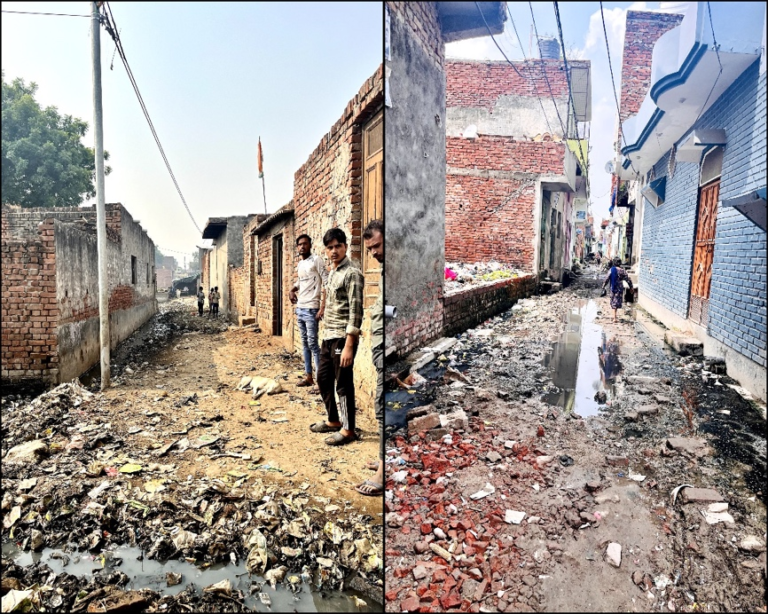
Examining how individuals perceive the urban environment can assist in identifying indicators of their satisfaction and uncovering urban issues that impact their well-being. By understanding people’s views, we can pinpoint aspects they find fulfilling and uncover challenges that affect their quality of life in urban areas. This knowledge is crucial for implementing targeted interventions aimed at addressing urban issues and promoting overall well-being within the community.
What we did and why
Analysing individual perceptions of urban environments aids in identifying satisfaction indicators and uncovering urban challenges impacting well-being. Understanding people’s perspectives allows us to identify fulfilling aspects and challenges affecting their urban quality of life. This insight is vital for targeted interventions. We collected perceived environment quality data and assessed mental well-being via questionnaires. Statistical analysis helped pinpoint significant urban environment indicators associated with mental well-being, informing effective intervention strategies.
Our study’s contribution
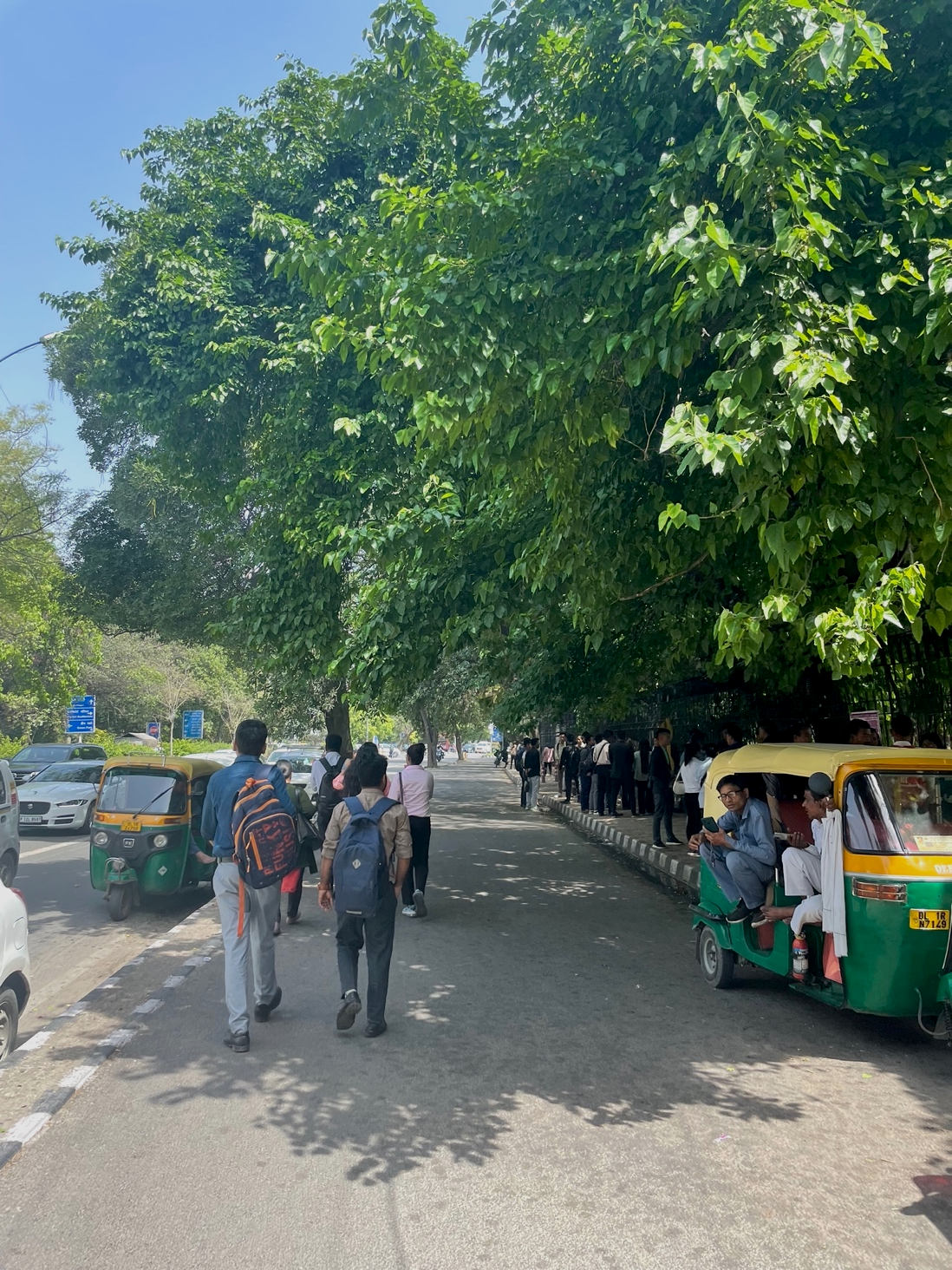
Statistical analysis pinpointed key urban environment indicators correlated with mental well-being in Delhi, guiding effective interventions. Further empirical studies on each indicator’s relationship with mental well-being are advisable for deeper exploration. Moreover, these indicators serve to evaluate urban environments and public perceptions in diverse urban settings, extending their utility beyond Delhi and enhancing understanding of urban well-being on a broader scale.
Impacts for city policy and practice
Our findings hold significance in evaluating urban environments and public perceptions across diverse locations, transcending their relevance beyond Delhi and enhancing understanding of urban well-being universally. These insights are essential for guiding city policies and practices, facilitating evidence-based decision-making, and implementing focused interventions to tackle challenges and foster favorable outcomes effectively.
Further information
Full research article:
Exploring the link between perceived urban environments and mental well-being: a case study of Delhi, India by Asesh Sarkar and Tina Pujara
Related posts

New ways of integrating indigenous knowledge in landscape architecture design

Access to greenspace impacts children’s physical, social, and mental health. While the factors affecting children are different from those affecting the general population, many accessibility measures use the same principles for children as they use for the general population. We present a comprehensive visual overview of factors affecting children’s access, how it can be measured across geographical contexts, and what measures remain to be developed.

Apartment design guidelines in Australian cities should better consider the role of well-designed communal spaces to enable social connection amongst residents.