


How can third places within walking distances support people’s happiness?
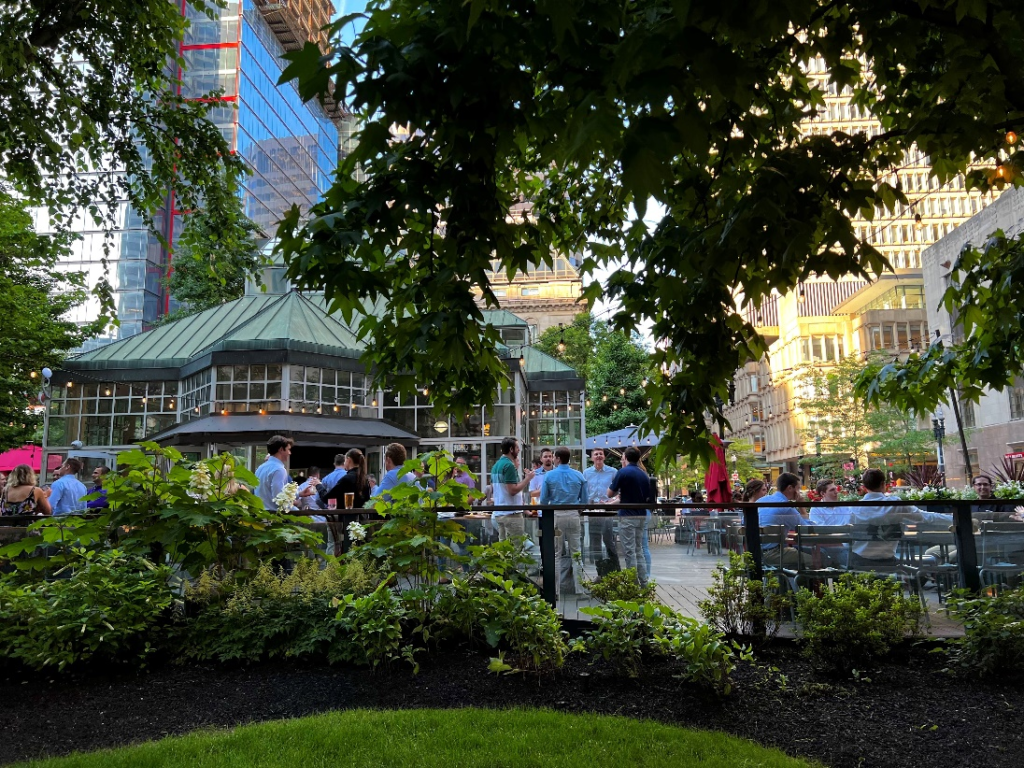
This study aimed to delve into the significance of neighborhood walkability and the accessibility of third places in bolstering community well-being. It scrutinized the influence of walkable designs and convenient access to third places on the emotional well-being of community members. Moreover, the research utilized tweets to gauge the frequency of positive sentiments as a proxy for measuring happiness levels within the community.
Manageable slices through the city: walkable space supporting mobile, democratic and dynamic clinics
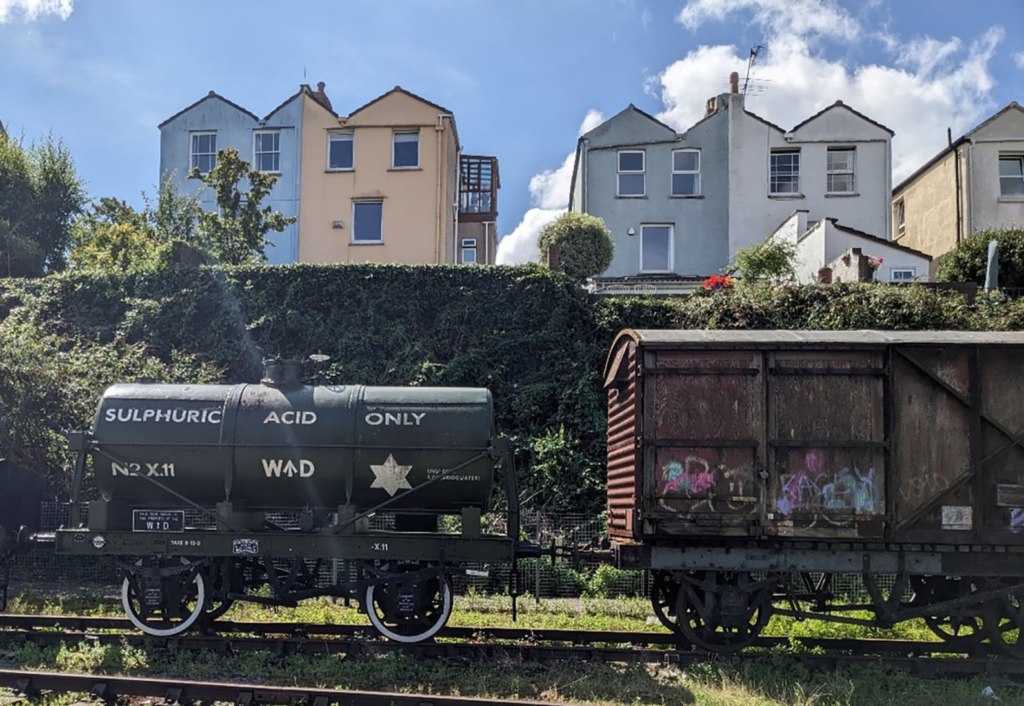
Mental health needs are poorly understood in the development and management of public space. However, people recovering from health issues such as psychosis need to use city space in their everyday lives. We note that large sites in city centres continue to be made available. As such their redesign and management needs to factor in these broader needs. There will be further benefits to people with conditions such as anxiety, depression and autism.
The creation and testing of a street audit to assess barriers in urban streetscapes and areas for people with a visual impairment
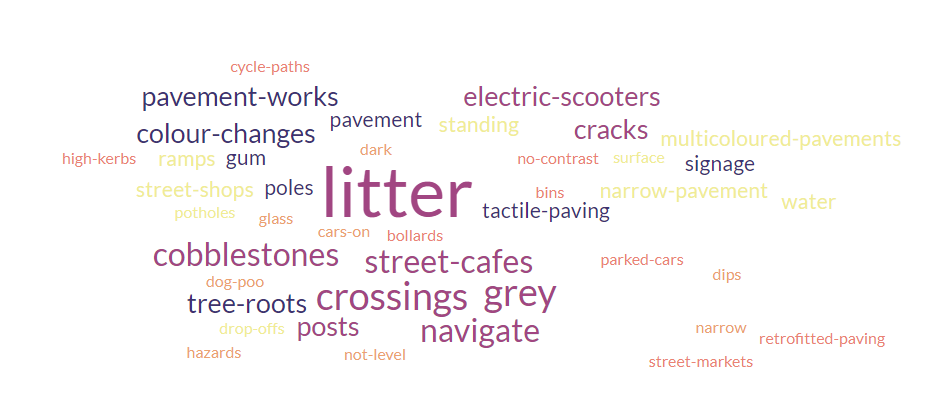
This street matrix tool can be used by urban planners and other built professionals both to plan new streetscapes and also to assess exisiting streetscapes for improvement. Currently, in many global contexts, it is good practice to make areas accessible for all and complete street audits. Despite this, without background knowledge of visual impairment and other disabilities, it can be difficult to assess these challenges and provide adequate solutions. This street matrix makes this more accessible and easy to assess these areas.
Walking and wheeling in Low Traffic Neighbourhoods: A mixed methods study of the impact of schemes on disabled people’s journeys
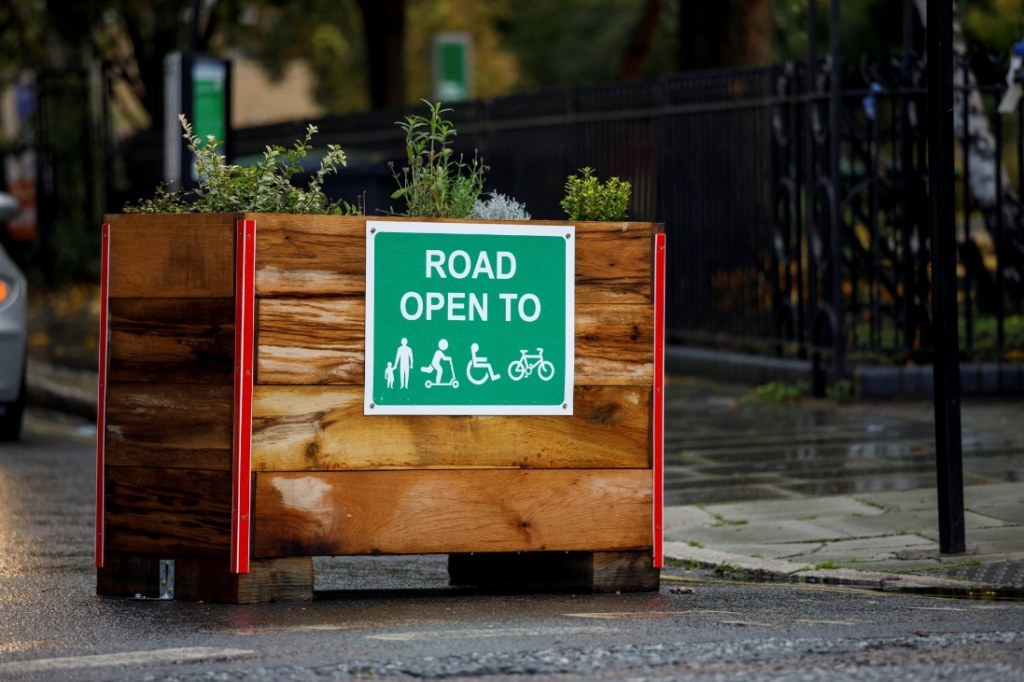
Low Traffic Neighbourhoods are being introduced in UK cities to reduce motorised through-traffic in residential areas, create better conditions for walking, wheeling and cycling, and change the hierarchy of uses in public spaces. Existing evidence shows that schemes work and generate important public health benefits. However, the experiences of disabled people with these schemes have yet to be explored. This is important because public space and the built environment are important facilitators and barriers in the lives of disabled people.
Walkability and Safety: How neighborhoods influence older people’s walking in Brazil
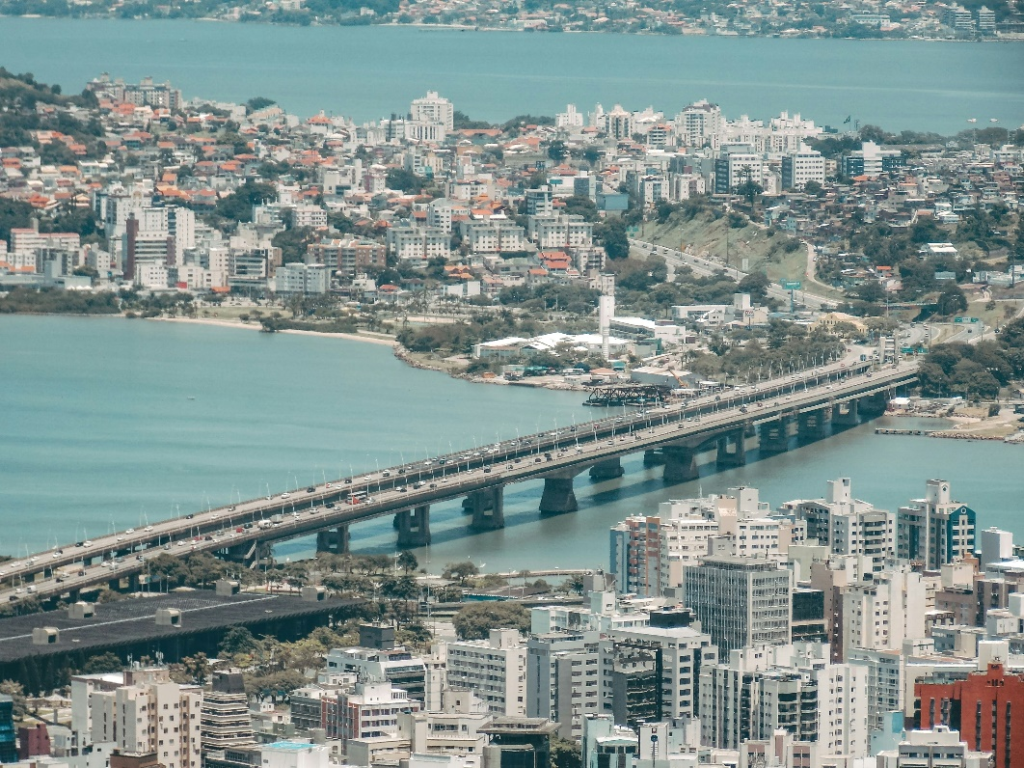
Walking around the neighborhood is good for older adults health, but the way older adults perceive their surroundings can affect this behavior. This topic has been discussed for some time in high-income countries. There, it is observed that older adults who live in neighborhoods with high residential density, diverse land use, good road connectivity, access to public transport, pleasant aesthetics, security against crime and traffic, presence of recreational facilities, infrastructure for pedestrians and cyclists, green spaces and visible parts of the sky are more likely to walk, whether for utilitarian or recreational purposes. On the other hand, in Latin American countries such as Brazil, where there is a significant increase in the older adults population and challenges related to urbanization and social inequalities, the relationship between the characteristics perceived of neighborhoods by the older adults and walking behavior is still unknown.
Young autistic adults walk like seniors aged 65 and over
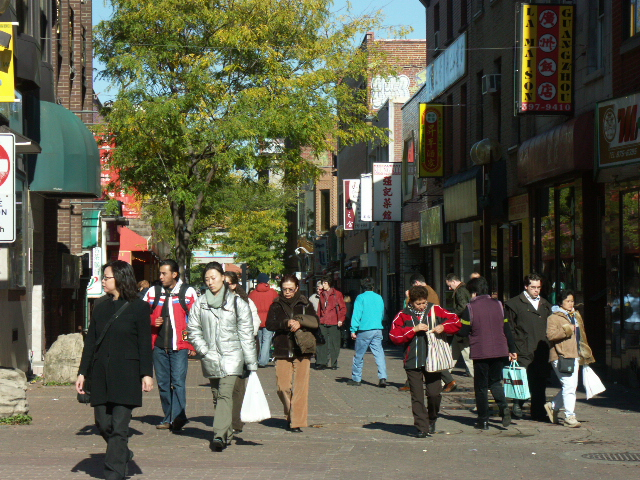
Our study shows that young autistic adults and older adults face similar patterns with walking, particularly at night or for leisure activities. These findings highlight a very poor health prospects for autistic adults as they age due to lack of physical and social activity. These findings underscore the need to rethink urban spaces for diverse needs. By identifying these patterns, we provide a foundation for creating urban environments that are more inclusive, accessible, and supportive of sustained physical activity and better health outcomes for autistic individuals as they age.
Creating age-friendly parks: Insights from machine learning analysis on qualitative user data
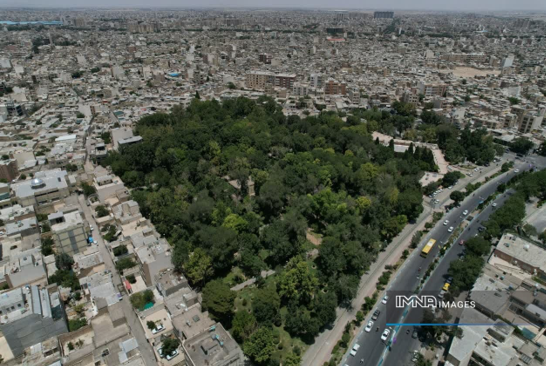
any parks and public spaces are not designed with seniors in mind, lacking features that encourage physical activity and social interaction. This can lead to isolation, decreased mobility, and poor health outcomes. Unlock the potential of urban parks to promote healthy ageing. Our research identifies the essential design elements that encourage seniors to stay active, providing a roadmap for cities to create an inclusive and supportive environment.
An exploration on the transition of third places’ role from pre-retirement to retirement
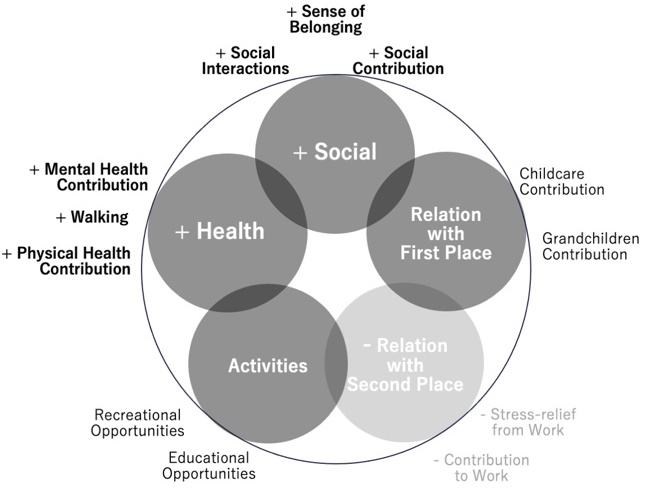
Our research provides new evidence for the importance of third places in supporting retirees’ well-being and social engagement. We found that these spaces can play a significant role in fostering a sense of belonging, improving mental and physical health, and facilitating social interactions.
Associations between adolescents’ perceptions, individual and built environment factors regarding active travel to school
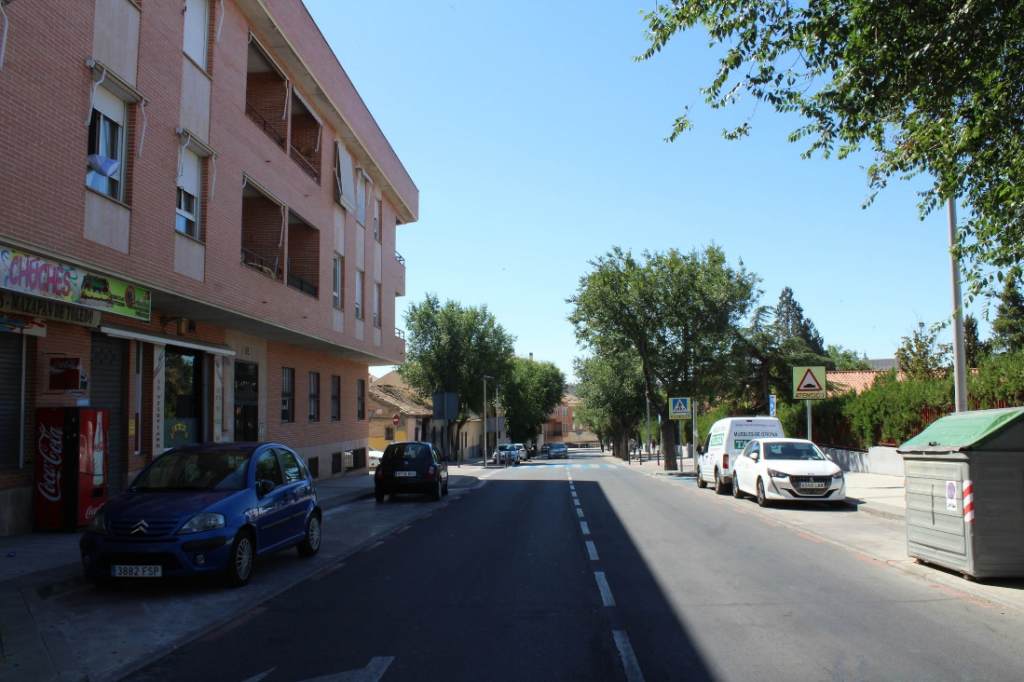
We explored the factors that can encourage walking and cycling to school from the adolescents’ perspective, considering individual and built environment factors as well. Travel mode selection, companionship, desired mobility autonomy, and perceptions of pedestrian and cyclist safety regarding traffic were relevant and interconnected.
Designing pedestrian-friendly urban spaces in specific cultural and geographic contexts
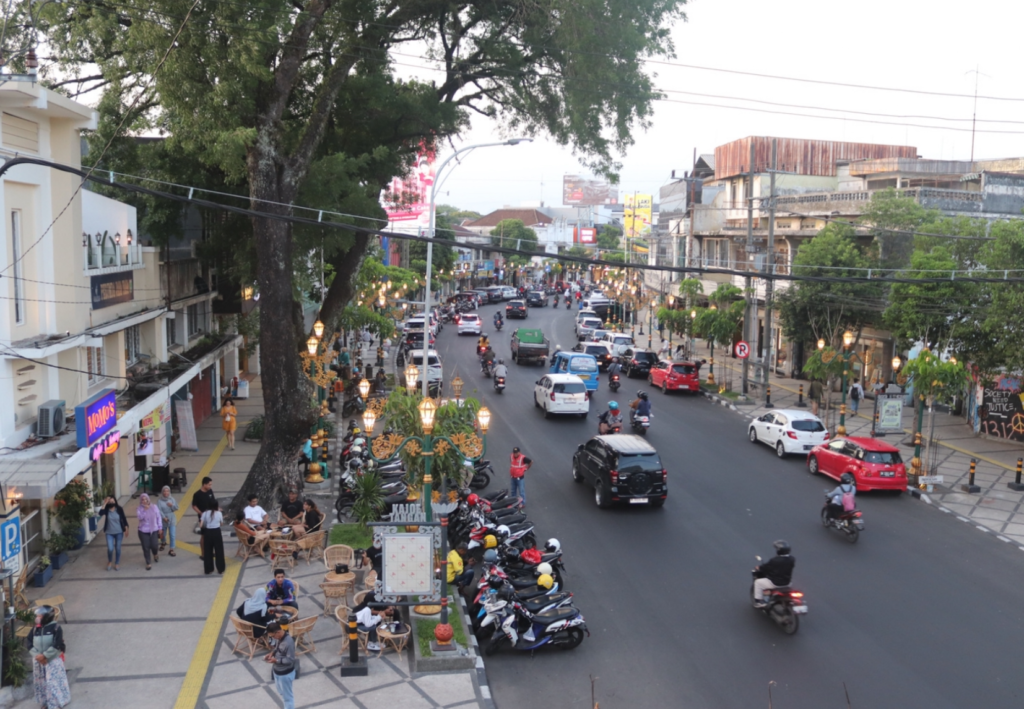
This study addresses the need for a more nuanced understanding of how urban design influences people’s walking habits in the Global South through case studies in Indonesia. Understanding the intriguing relationship between the built environment, personal perception, and walking behaviour is critical for designing more walkable, healthy, and sustainable cities.