


Walkability for all in our cities

To work for the Right to Walk the City is to advocate for health and social justice. Public Health as a multidisciplinary action is fundamental to achieve that goal. The ‘15-minute city’ model exemplifies this approach but remains hindered by barriers such as inadequate infrastructure and social discrimination, limiting walkability for underserved communities.
Biophilic design for walkable streets: Health-centred insights for urban action
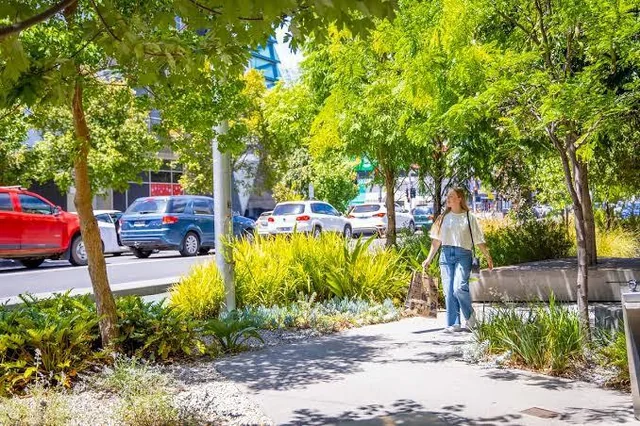
How can we design walkable streets that promote health through nature?
This scoping review synthesises international and cross-cultural research—drawing from English and Chinese studies—to clarify intervention types and health mechanisms, offering an essential evidence base for healthier, more connected urban environments. Our findings reframe streets as inclusive, restorative spaces for health—not just transport infrastructure.
From lockdowns to recovery: COVID-19’s lasting impact on cities

Before COVID-19, we freely used lively streets and public spaces. The pandemic emptied them and changed how people perceived urban life. Places once full of joy became empty and fearful. Our study examines COVID-19’s impact on three key dimensions of urban design and offers lessons for building healthier, more resilient cities.
Social and spatial predictors of winter outdoor engagement among older adults
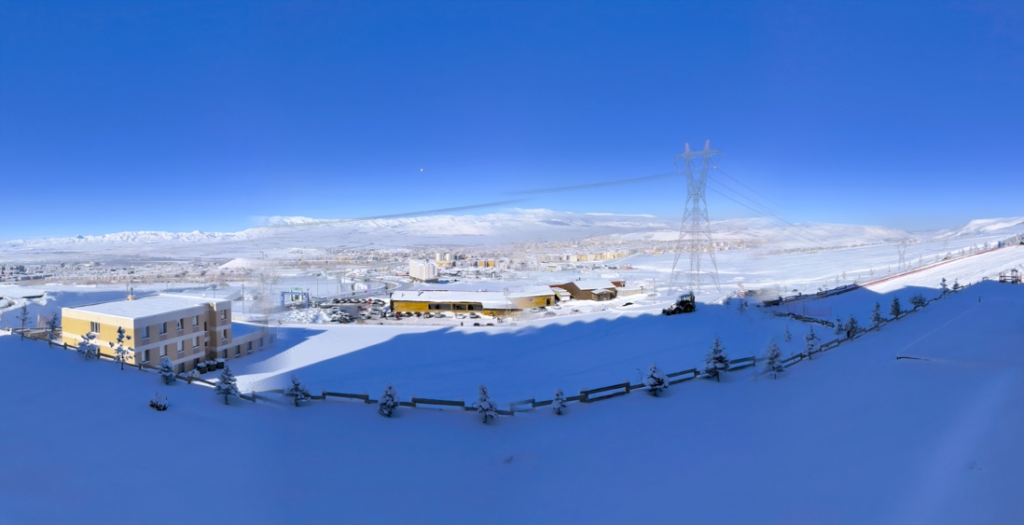
This study investigates how severe winter conditions affect the outdoor activity of older adults in Erzurum, Türkiye—a city known for its long and harsh winters. Based on a quantitative survey with individuals aged 65 and above, a binomial logistic regression model was used to identify key predictors of outdoor activity avoidance.
Jakarta’s position in global health and sustainable city progress
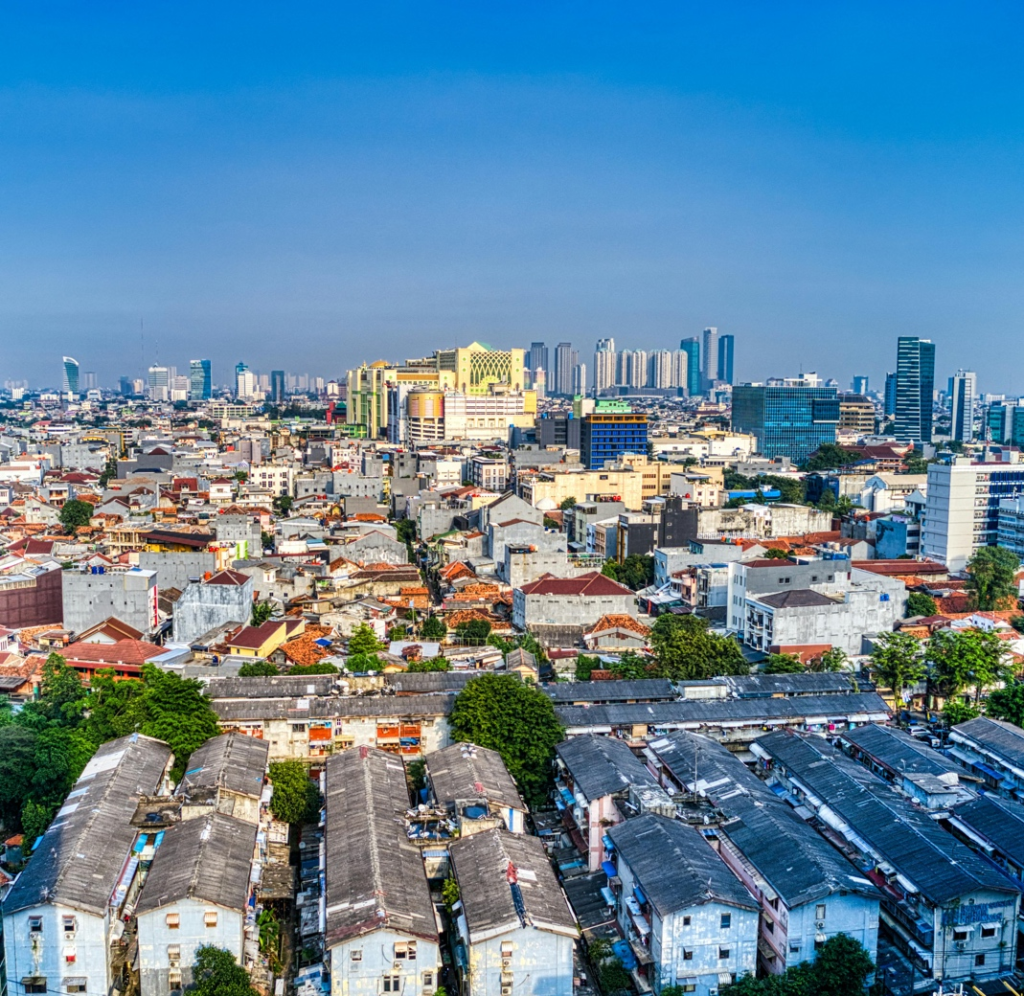
This pioneering study on healthy and sustainable indicators for Jakarta is the first in Indonesia to use the Global Healthy and Sustainable City Indicators framework. As the most populous city in Indonesia and Southeast Asia, Jakarta’s inclusion provides valuable insights into its status compared to 25 international cities. We offer a critical perspective on existing spatial indicators, highlighting the need for precise definitions and careful interpretation within the city’s local context. Additionally, we propose new indicators to help policymakers and public health officials develop more adaptable measures for urban health and sustainability.
Informal public space use for leisure-time physical activity in Lagos and Yaoundé
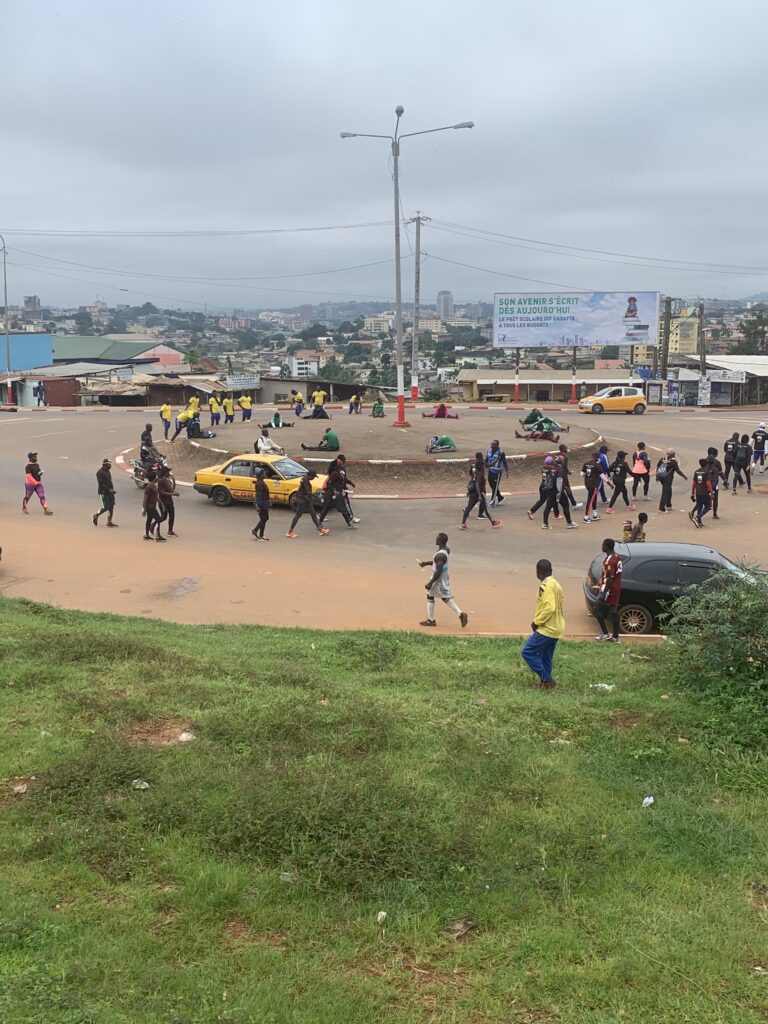
Our study explores how residents in Lagos and Yaoundé use roads, vacant lots, squares, and parks for running, walking, and other leisure-time physical activities. It reveals striking sex-based differences in perceived safety and risk, offering evidence to guide inclusive urban planning.
Aligning active mobility and active aging: Challenges in designing age-friendly cities in Portugal
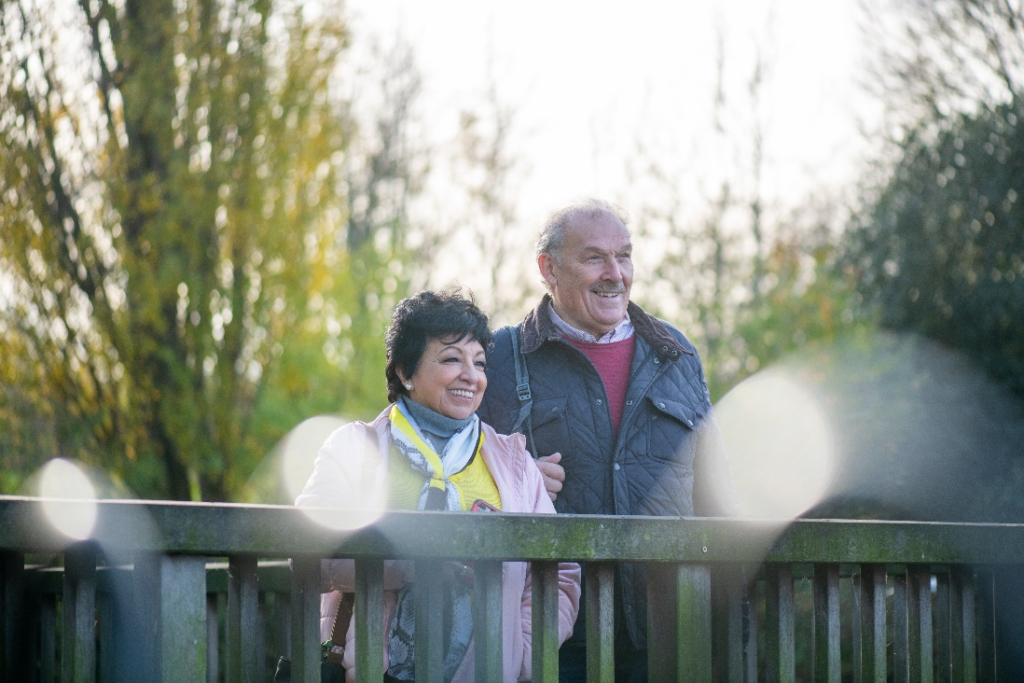
Experts agree that the planning of public space in light of new active mobility trends and policies has not properly taken into account the active aging policies and the context of older people as users, especially in the construction of a barrier-free and safe environment. Only through the alignment of active mobility and active ageing policies is it possible to respond to the needs and to include people of all ages
Empowering remote working for women through mobility justice
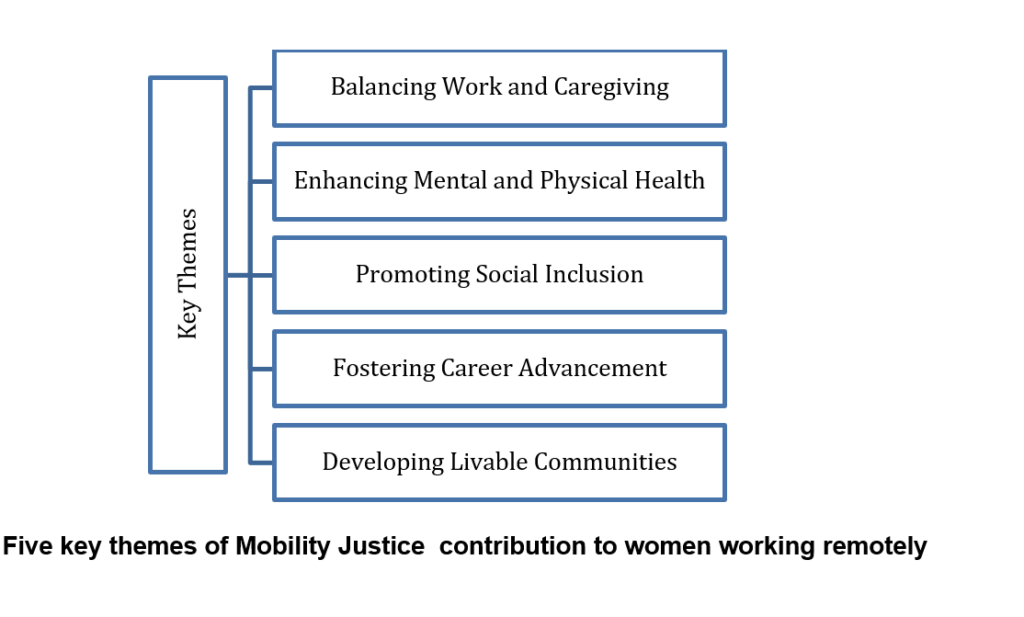
Mobility justice can help ensure that remote-working women have equal access to transportation and urban amenities, supporting their well-being and career advancement. This research explores the unique mobility needs of this growing population and recommends planning strategies to create more inclusive and equitable cities.
Walkable Campuses: Tactical urbanism and complete streets in Brazilian knowledge territories
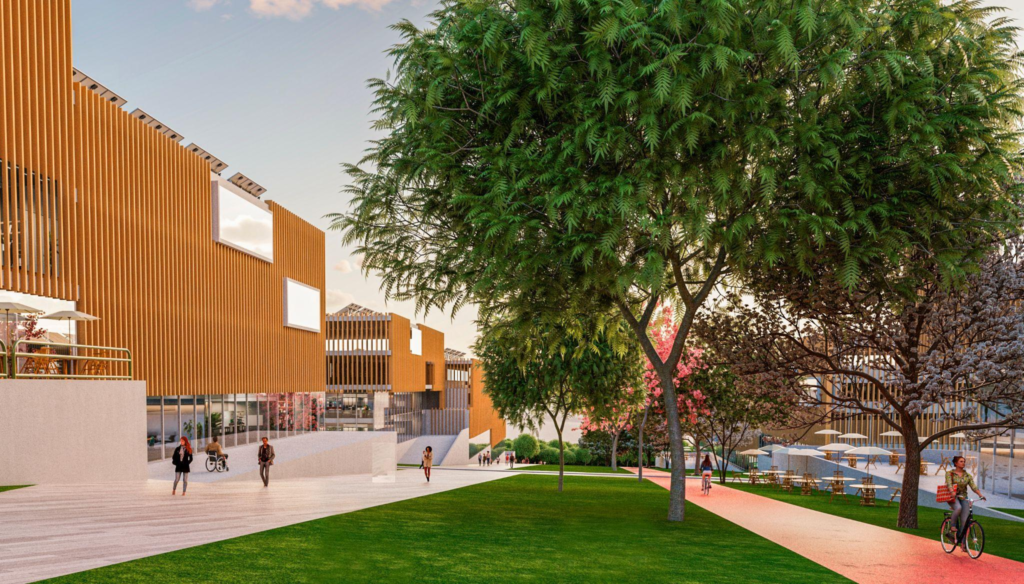
Exploring complete streets implementation in knowledge production territories, this research examines the potentials and limitations of using campuses as living labs, applying tactical urbanism. It identifies the opportunities for enhancing walkability and inclusivity and the challenges, e.g. regulatory issues and limited funding, stressing the role of governance and community engagement.
Intensive walking with local stakeholders as a research method to analyze rural areas and achieve a more sustainable future
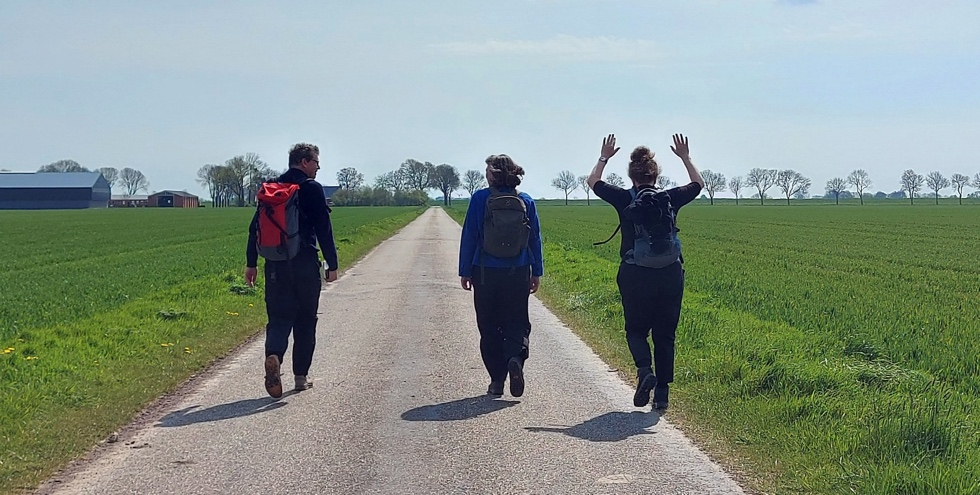
Our study is meant as a provocation for planners to “start walking again” and understand sites, places, and context by observing and listening. Walking is a way to collect diverse stakeholders’ insights and expands a vision. Walking is a cry for sustainability.