
Health impact assessments for healthier urban planning projects
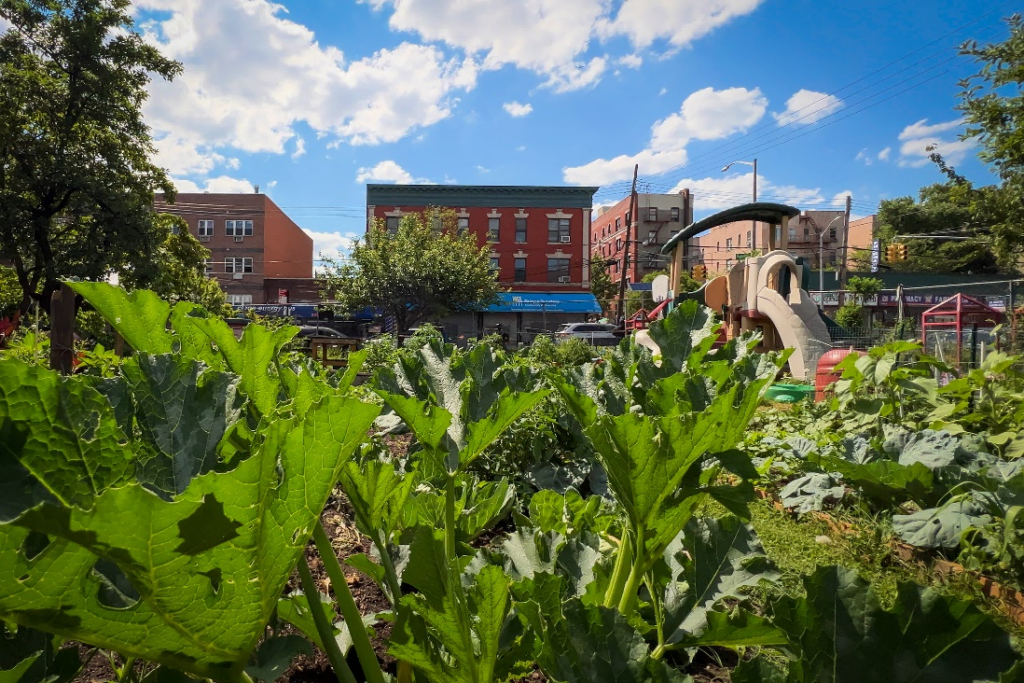
Health impact assessments are a key tool to bridge the worlds of planning and health, but there’s a risk they become a ‘tick box’ exercise with little real-world benefit. Learning from recent practice in English local authorities can help maximise their effectiveness in producing healthier developments.
A fresh framework for moving health knowledge into urban planning action
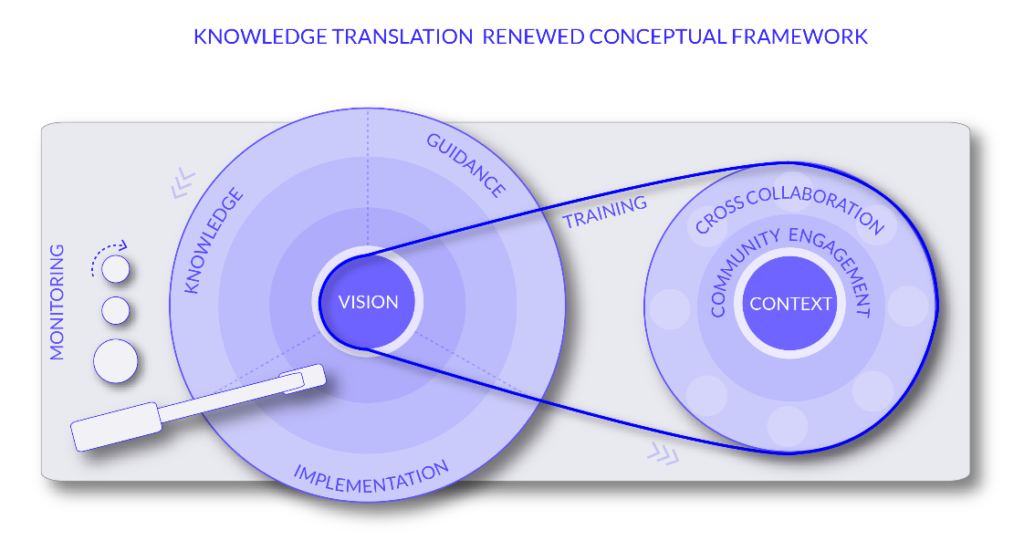
We took a significant step in identifying the existing gaps in knowledge translation for healthy cities and adopting a proactive approach to laying out opportunities for improvement. By developing a visual representation for a renewed conceptual framework, we provide a clear and insightful tool for planners, designers, and policymakers aiming to enhance knowledge translation processes. As a result, this study not only elevates knowledge translation as a field of study for urban professionals but also reinforces its importance in public health.
Empowering healthy cities: A multi-criteria framework for evaluating green space interventions

Integrating green spaces into urban planning is crucial for public health. This framework guides cities in evaluating and optimizing their green space strategies to promote health and sustainability, aligning with WHO’s Healthy Cities initiative.
Mapping emotions for designing mentally healthy cities
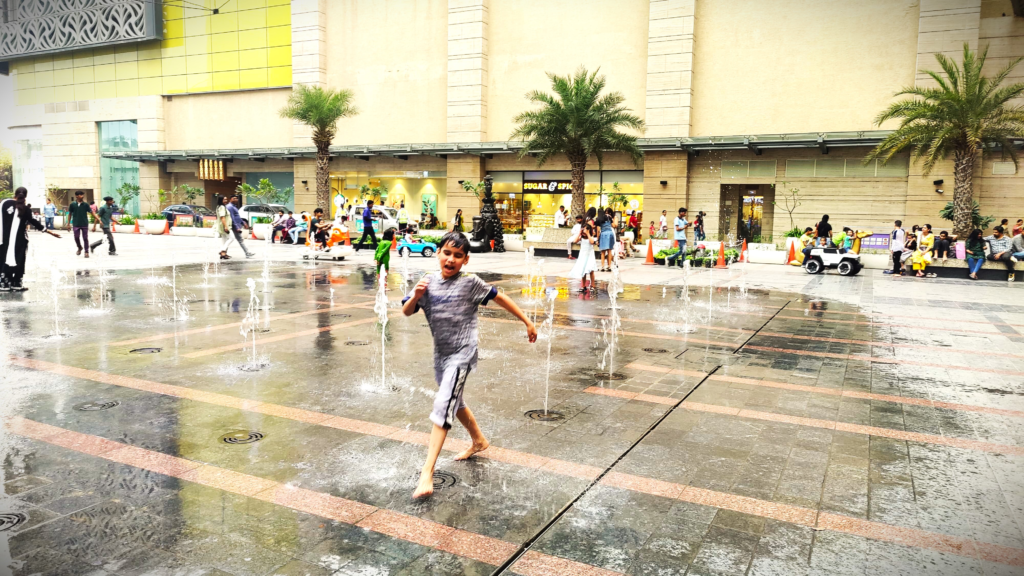
Emotions are an inherent aspect of people’s lives, and understanding the emotional response of people to the built environment can offer valuable insights into the spatiotemporal characteristics of urban spaces and their impact on the well-being of residents.
Enhancing urban parks: Practical tool for promoting activity in dense city areas
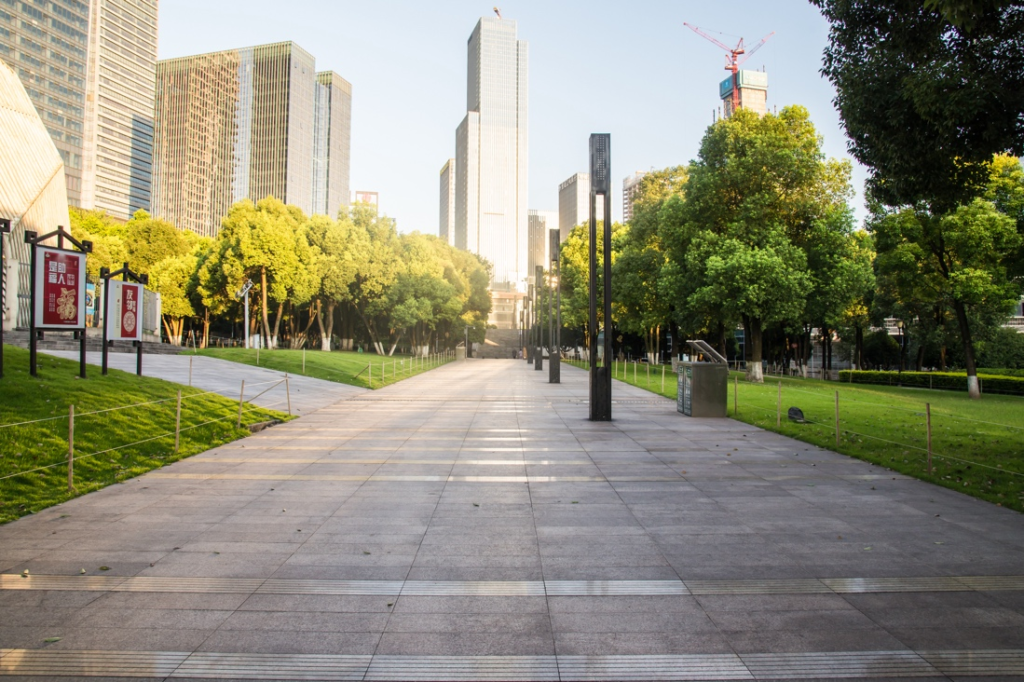
Discover how our innovative audit tool transforms urban parks into activity-friendly spaces. Designed specifically for dense city areas, this tool helps decision-makers enhance park features, promoting healthier and more active communities.
Children’s access to urban greenspace: an overview of factors, and how it can be measured
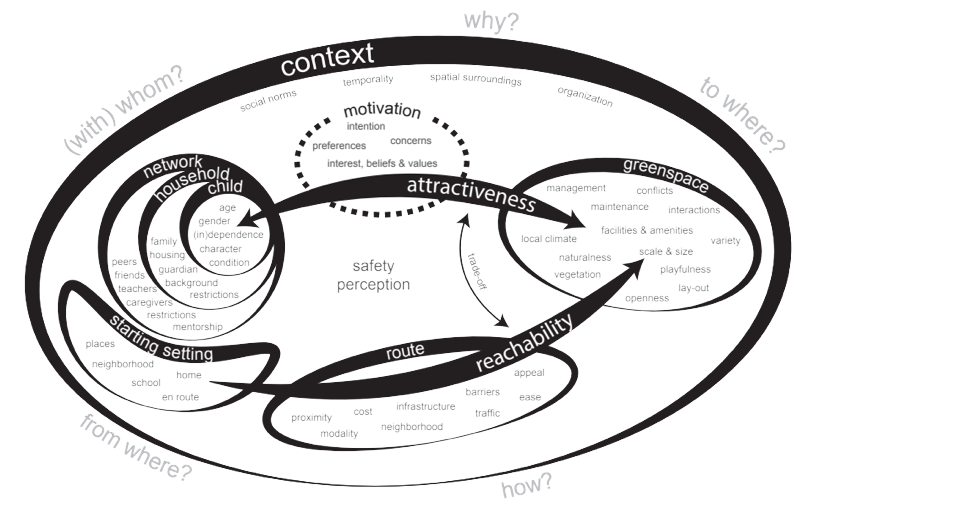
Access to greenspace impacts children’s physical, social, and mental health. While the factors affecting children are different from those affecting the general population, many accessibility measures use the same principles for children as they use for the general population. We present a comprehensive visual overview of factors affecting children’s access, how it can be measured across geographical contexts, and what measures remain to be developed.
Perceived urban quality and well-being during post-earthquake shelter projects (MAPs and CASE) in L’Aquila, Italy

Although the CASE and MAPs were supposed to be temporary shelters for displaced persons, after fourteen years, they have not received proper maintenance and are dilapidated. This scenario opens to the idea that living in these places could negatively affect different psychological aspects, including perceived urban quality and environmental well-being.
Prioritizing residents’ experiential knowledge in public housing redevelopment programs to promote community health
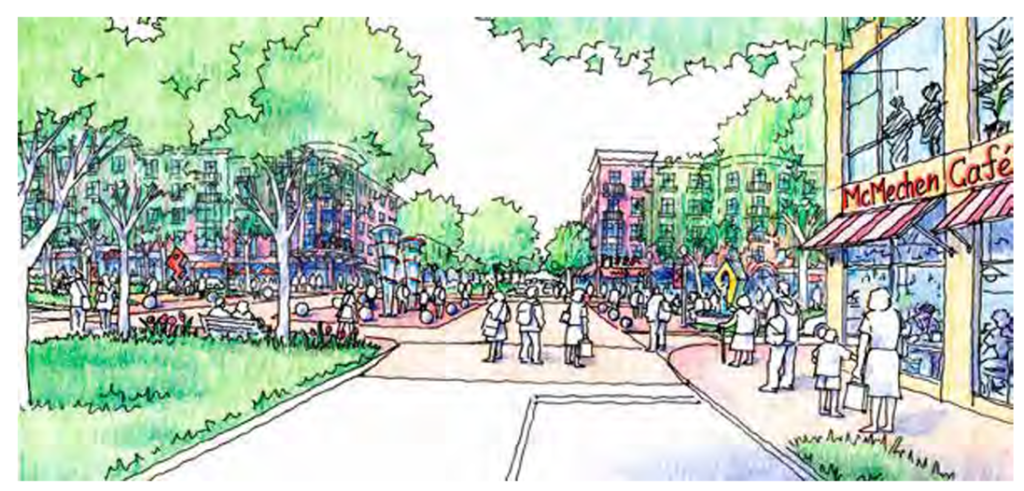
Despite historic disinvestment and stigmatizing portrayals of public housing, residents often describe their place as a source of refuge. We explored the ways residents of a predominately Black public housing complex undergoing redevelopment construct meanings of place, emphasizing their place-making efforts to challenge their social marginalization and foster community health.
Perceptions of our urban environments, and their association with mental well-being
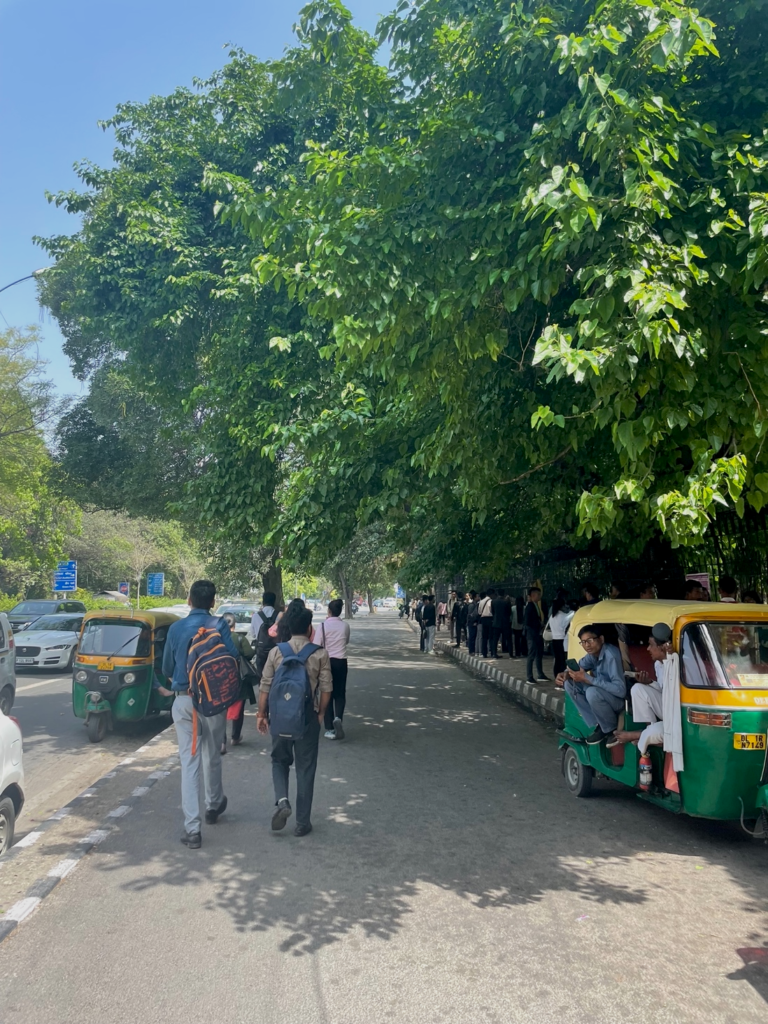
Examining the urban environment is critical for enhancing mental well-being, necessitating the identification of relevant indicators to inform strategic interventions aimed at improving mental health outcomes.
User experience of neighbourhood greenspace and perceived impact on health and wellbeing: the case of an urban extension to a ‘Healthy New Town’ in England
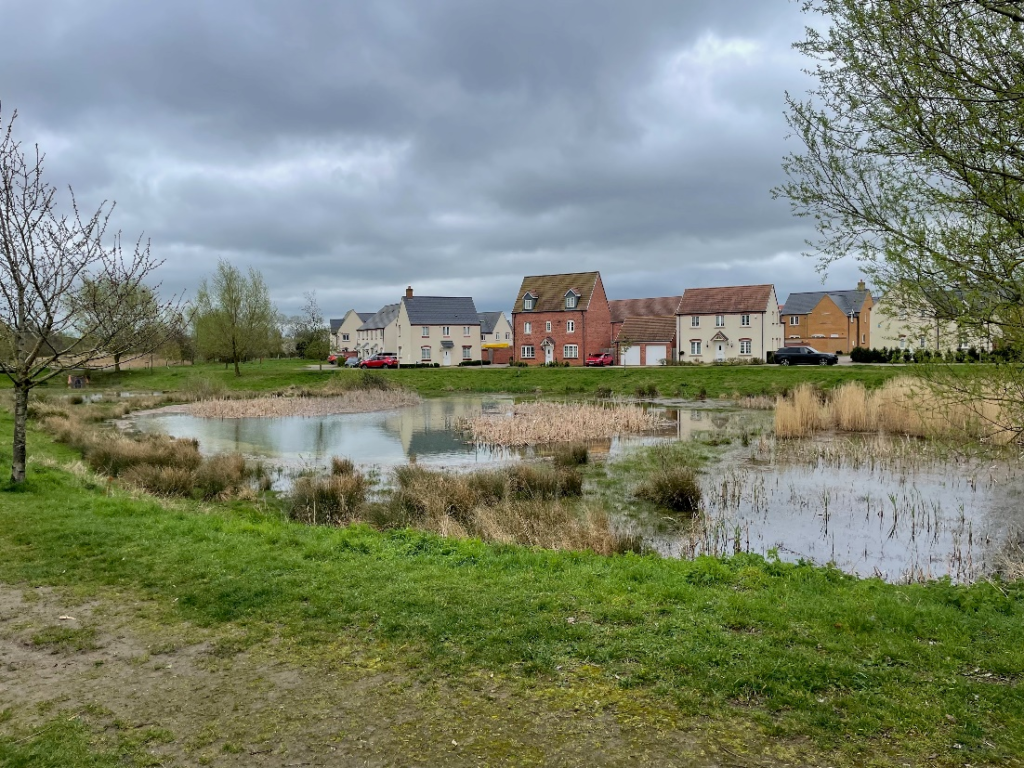
Providing access to greenspace is insufficient in ensuring that positive benefits are realised. Critical characteristics may distinguish between those spaces that encourage people to visit them and those that are uninviting. This article provides a case study of a residential urban extension in one of the UK’s ‘Healthy New Towns’.