


Achieving healthier environments by employing healthy places officers in local government settings
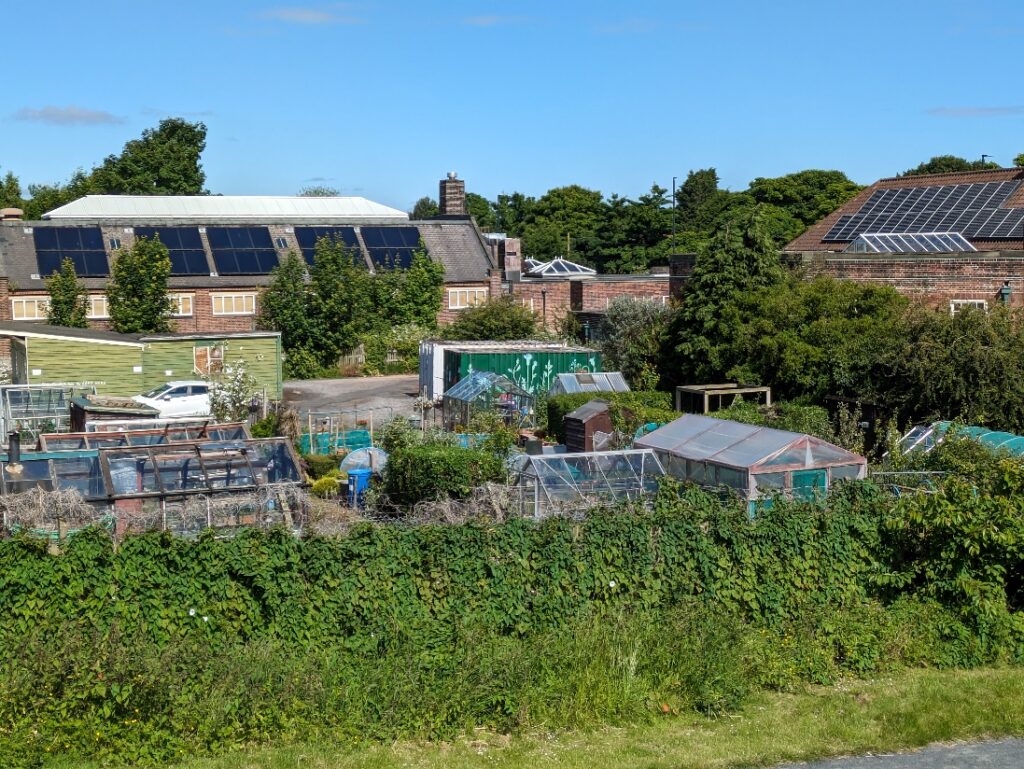
Well-planned cities and neighbourhoods are building blocks for health and wellbeing. Our study evaluated one approach that two English local government organisations took to facilitate healthier environments, in both ‘healthy places officers’ were employed to bridge the gap between planning and public health teams.
The hidden burden of traffic crashes

The high risk of death and disability from being struck by a car is unevenly distributed geographically and socially. Our analytics reveal a troubling pattern in that people from Black and Latino neighbourhoods facean especially high risk of crashes, both near and far from home.
Vision Zero leaders in the hundreds of participating cities across the world in planning departments, nonprofits, and community groups need to look at our approach.
The purpose of lingering in a city: an exploration of bumping places and connection-building through space and place to tackle urban loneliness
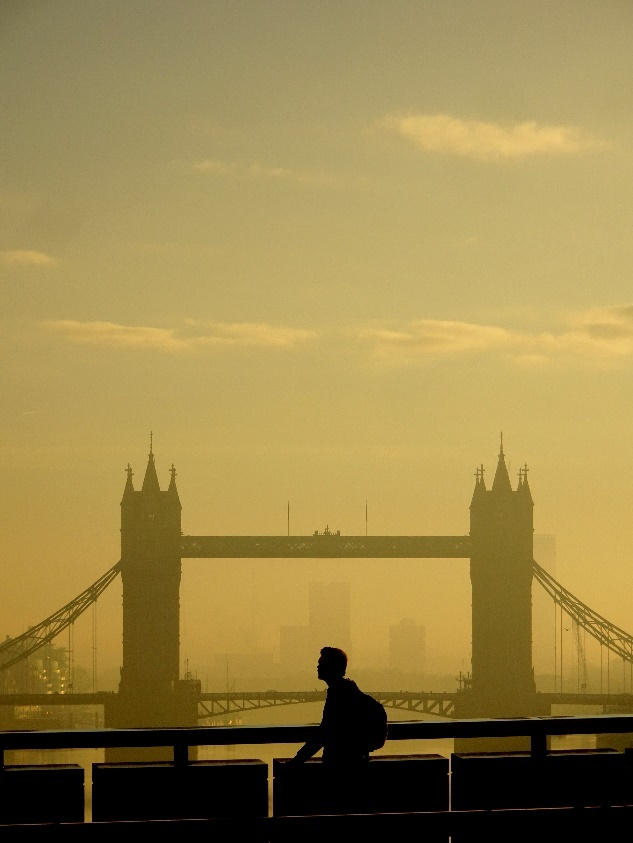
Loneliness impacts hugely on our lives and there is appetite for solutions. Spending time in a place, bumping into one another could be one of them. Can we reframe how we think about spending time in a place? And should we?
A health equity-informed review of pedestrian urban designs and place attachment, sense of community
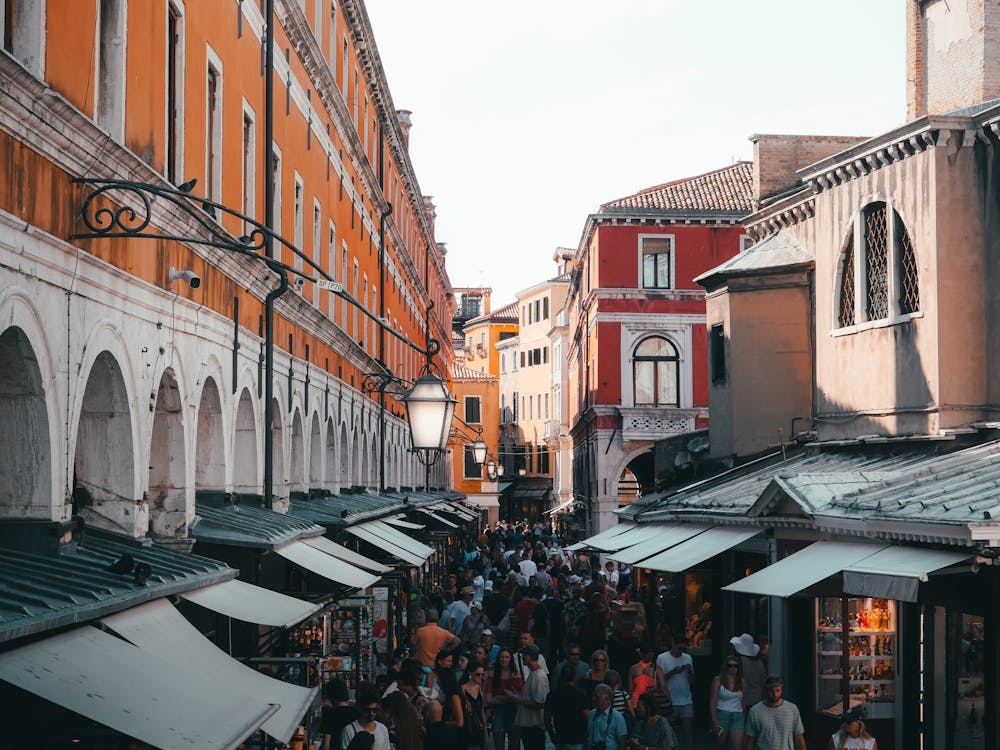
Building place attachment and sense of community through design can improve community well-being, yet reviews on this topic are lacking. This manuscript presents a systematic review of the links between pedestrian designs and place attachment and sense of community, and also highlights several health equity considerations to encourage new ideas about inclusive and healthy urban design practice and study.
Perspectives of planning professionals from India about the inclusion of health as a parameter in planning process
This study sheds light on Indian planners’ perceptions of health integration in urban and regional planning, highlighting implementation obstacles as well as acknowledgement of the topic’s significance.
Can we create a city built both upon proximity and health criteria?
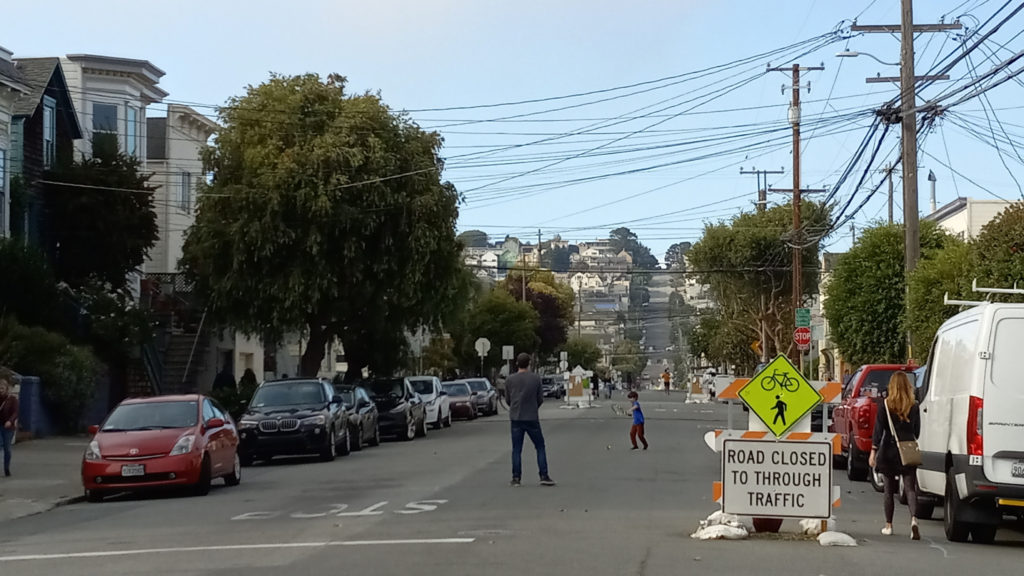
Health has turned into a number one priority in the present city context (e.g. lower emissions, active transportation, sustainable farming). By integrating it with proximity measures (as in the 15-minute city), we can create even healthier cities. Here is how they do it around the globe.
How can sustainability and the needs of citizens be integrated into urban planning processes?
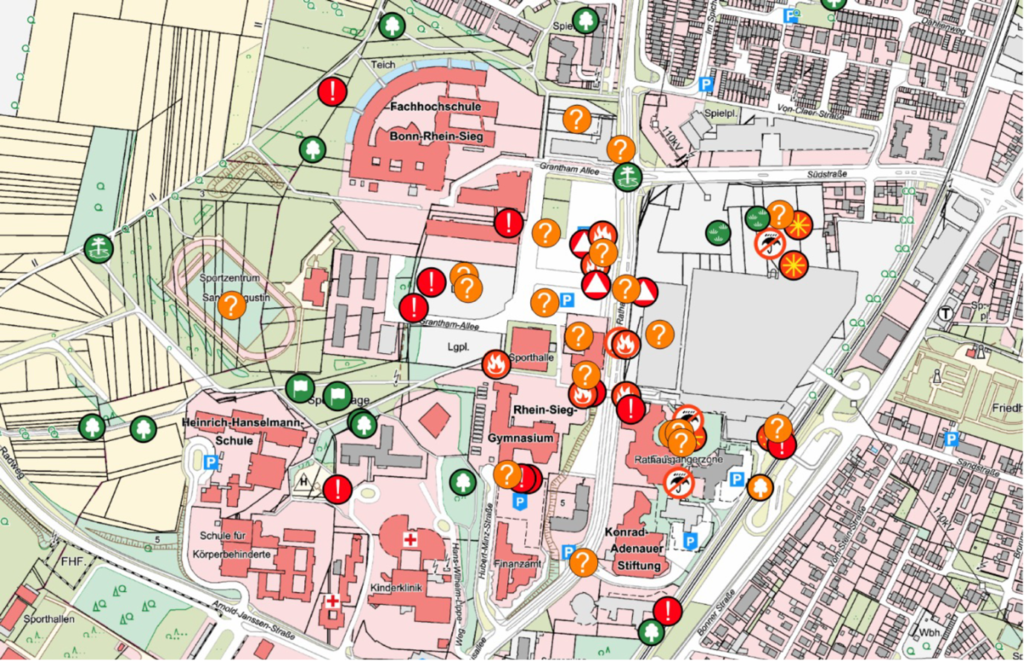
Citizen science projects can form the basis for sustainable and inclusive urban development in accordance with SDG 11. Citizens, researchers and city authorities work together to explore the city and implement urban planning that meets the needs of all those involved in a city.
City health development planning: methodology for creating health-supportive urban settings
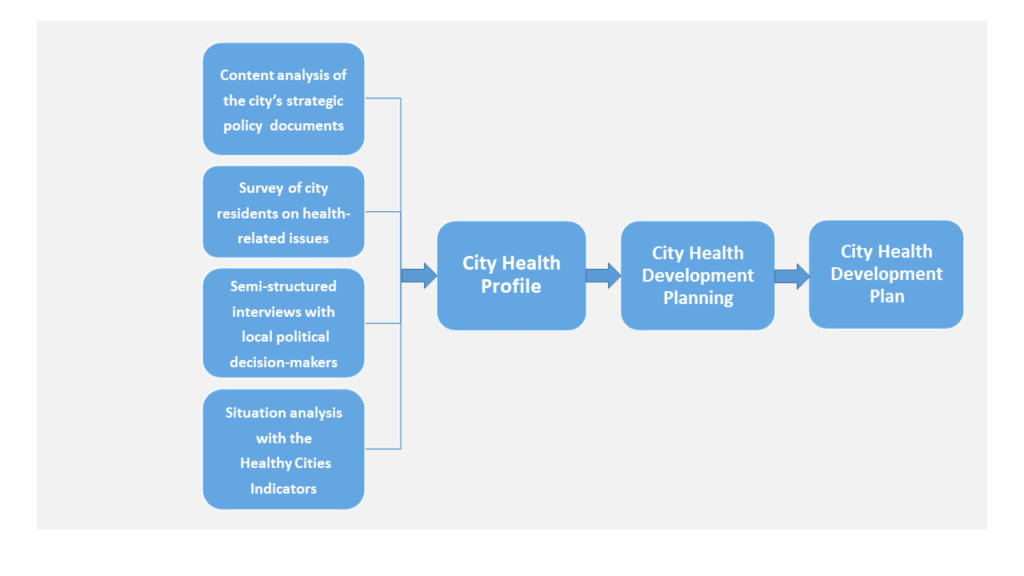
Let’s make our cities health-supporting settings! Hungarian members of the WHO European Healthy Cities Network have developed a city health planning methodology based on two decades of fieldwork. It offers a solution for health experts and decision-makers to bridge the gap between local health needs and challenges in implementing community health initiatives.
Hostility in the city: How hostile architecture may impact the health of the homeless
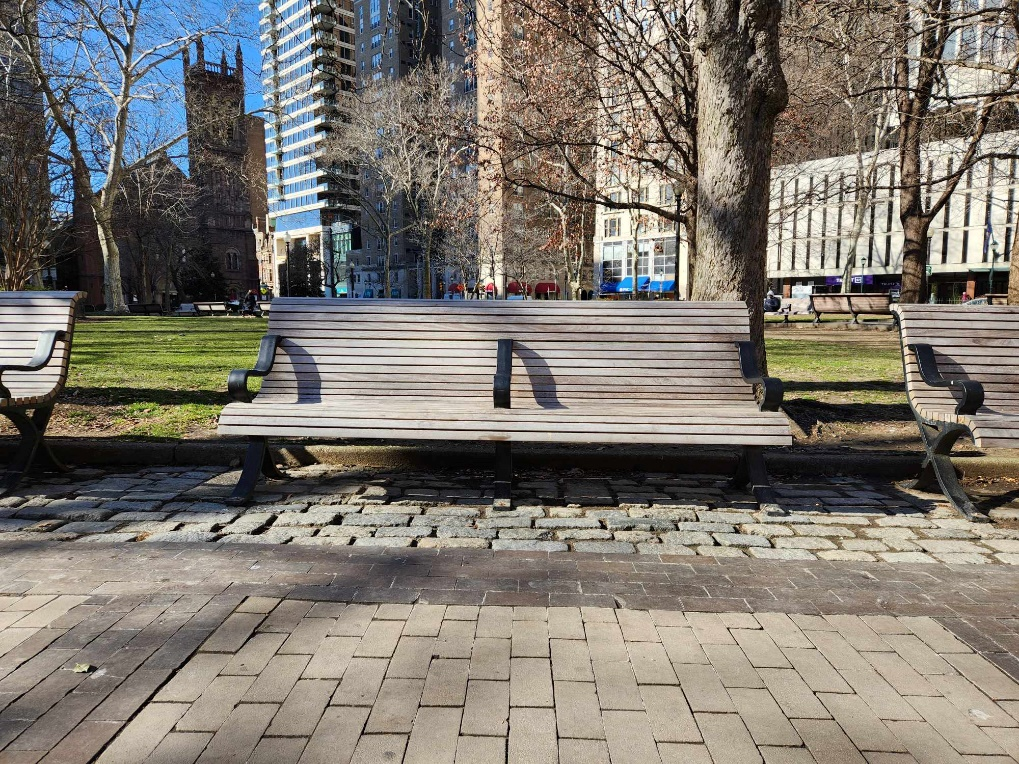
Death remains an ever-present threat to the unhoused community. Hostile architecture designs like benches with middle armrests or spikes along ledges likely contribute to the massive health disparities homeless individuals face. It’s time to design something new.
A city in need: Analyzing the ongoing dilemma of open defecation in Delhi
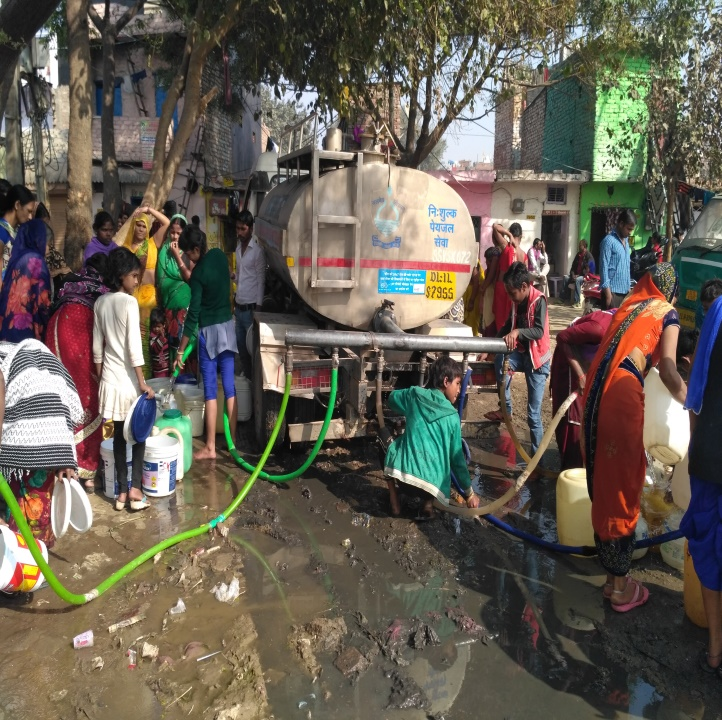
Unveiling the hidden truth behind open defecation in Delhi, this study exposes the role of infrastructural incapacity and institutional failure. With 80% of surveyed households’ still practicing open defecation, the findings underscore the urgent need for comprehensive policies to address the inadequacy of public and household facilities, water availability, and coordination among governmental bodies.