


Engagement matters more than distance: Rethinking neighbourhood parks for active childhoods, Bhopal, India
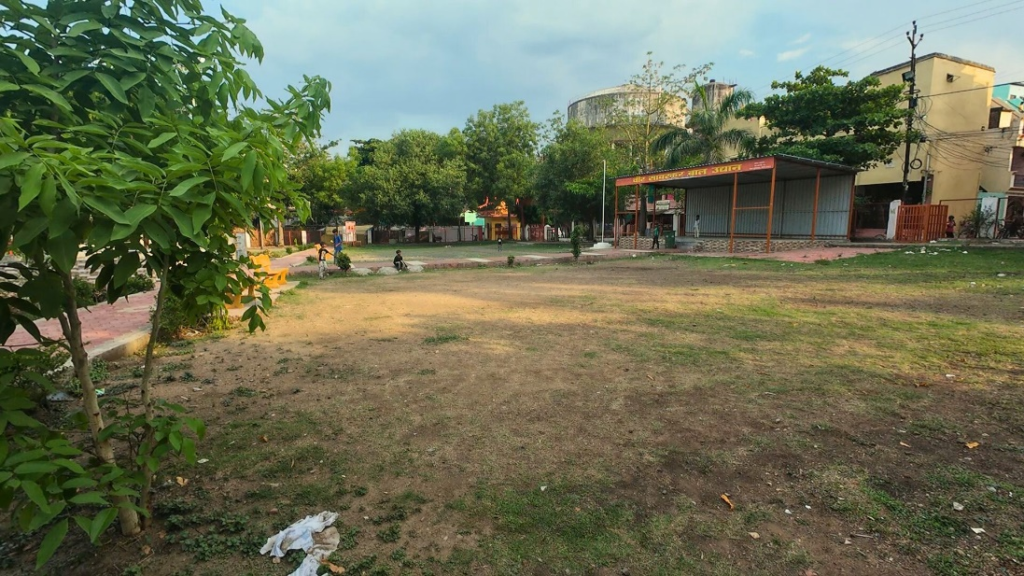
Children’s physical activity and movement increases when they visit nearby parks often and stay longer. However, simply building more parks is not enough. We show how practical design, safety and inclusive programming can turn everyday parks into places where children want to play. Most importantly, measure success by visits and time spent, and not by counting parks and playgrounds!
Compact city, compact playgrounds: How Oslo’s population density and daycare size influence children’s outdoor spaces

In this study, I measured the size of outdoor playgrounds at all daycare centers in Oslo and looked at how these sizes relate to how densely populated the districts are and how many children are enrolled at each center. Since the 1980s, Oslo has been getting busier and more built-up due to a compact city policy, a trend that is likely to continue as more people move to the city in the coming years. This makes it interesting to investigate how living in a denser city and having bigger daycare centers might affect the space children have to play outside in their daycare.
Factors influencing playspace quality in Melbourne’s greenfield developments, Australia
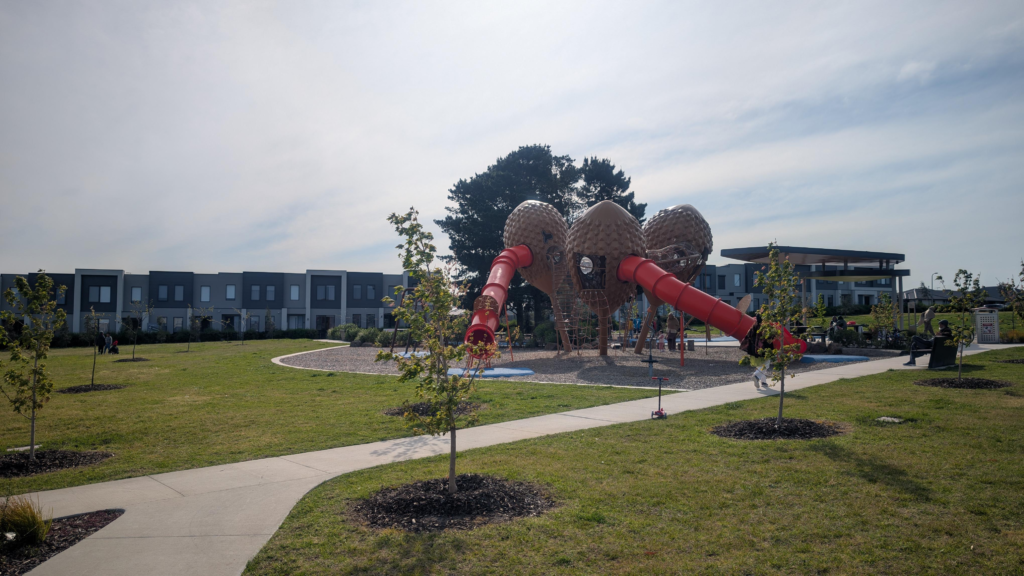
We recognised that while playspaces are crucial for child development and community building, their quality in Melbourne’s greenfield developments is highly inconsistent. Playspaces often suffer from minimal design guidance, maintenance pressures, risk aversion, and a lack of genuine community engagement. As a result, children and families miss out on vibrant, inclusive, and challenging play environments. We saw an urgent need to understand how governance structures influence playspace design and delivery in these rapidly growing communities.
Health Impact Assessment and urban development; how can they be made more effective?
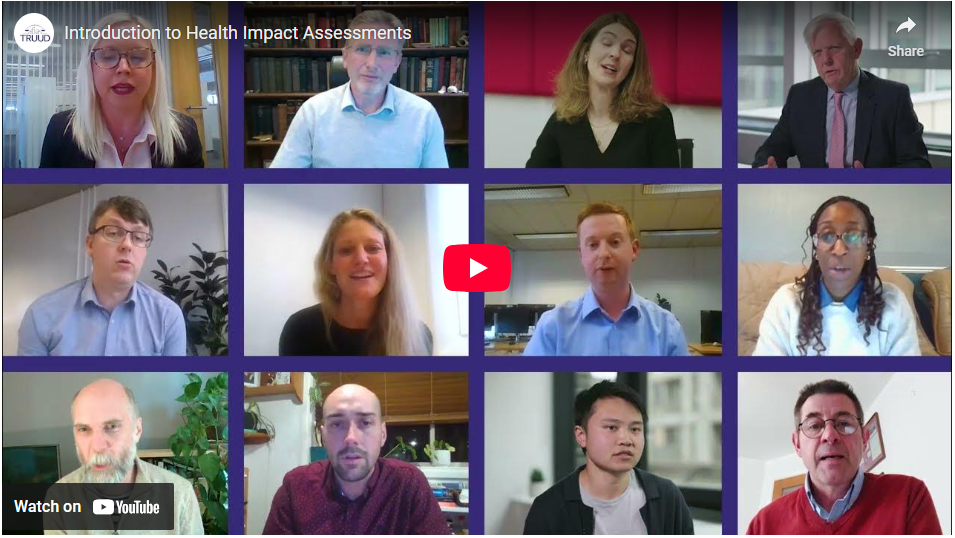
Health is rarely prioritized in urban decision making. Requiring Health Impact Assessment obliges developers to focus on questions of health. Some local authorities require this, but not all. This is the first paper to undertake a comprehensive review of when and where Health Impact Assessment is required in England, and to set out ways to make the process more effective.
Food insecurity and health gaps within Staten Island’s neighborhoods, New York
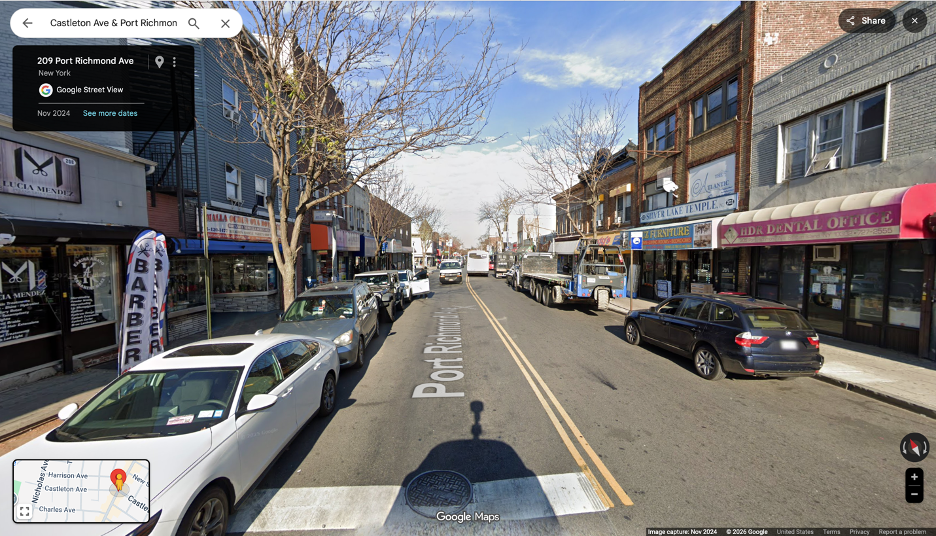
Even within relatively wealthy cities, food insecurity and health inequalities can be sharply concentrated in specific neighborhoods. We show how economic inequality, food access, and health outcomes are closely linked across Staten Island — and what this means for city leaders and practitioners.
The first overview of a now deleted federal program planning for climate change and public health: The Climate Ready State and Cities Initiative

Anthropogenic climate change is bringing with it a whole host of deleterious public health impacts. People will die and suffer disproportionately following inequitable societal structures. With every passing year time to mitigate and adapt to anthropogenic climate change slips away. The time is now to deliberately plan for the health impacts that are now ‘baked in’ for centuries to come.
When you go for a walk – should you choose to walk the same path or a new path?
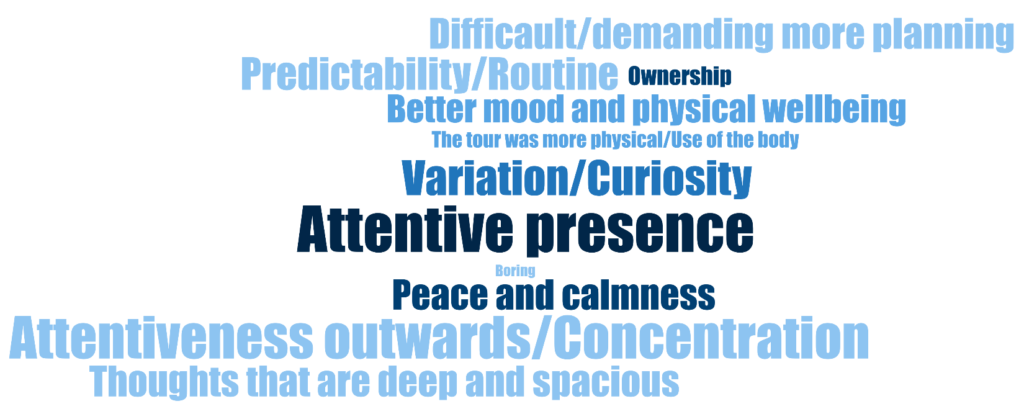
The study aims at understanding the qualities of different. Although previous studies have explored the well-being-related benefits of recreational walking in nature, studies examining the perceived qualities and contextual factors of these walks are rare.
Designing for walkability: Step by step data-driven review of pedestrian built environment studies
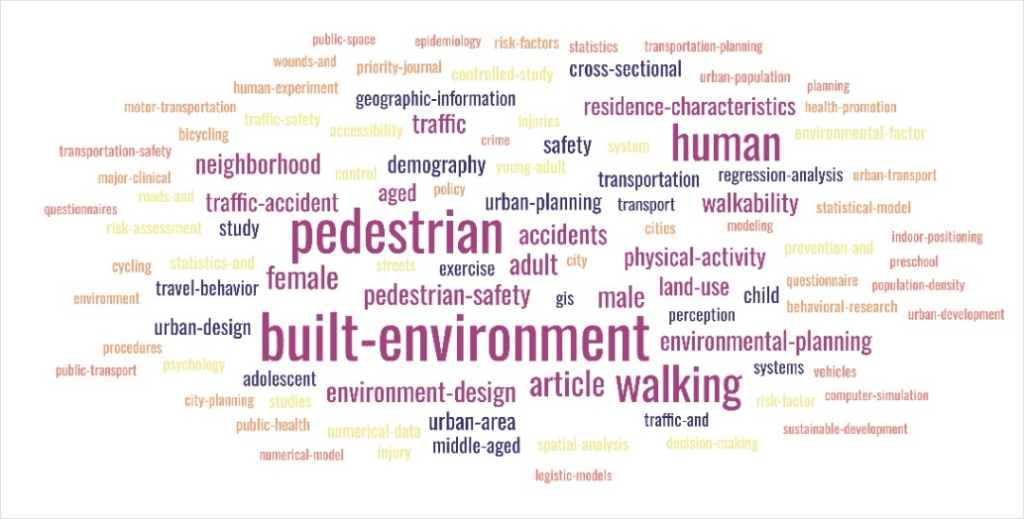
Our study identified predominant research themes, influential publications and authors, and emerging trends in pedestrian-built environment research. A database was used to analyse publications from 1975 to 2024, identifying research gaps and charting future research directions.
Bridging mobility and equity: Rethinking safe routes to school in gentrifying communities
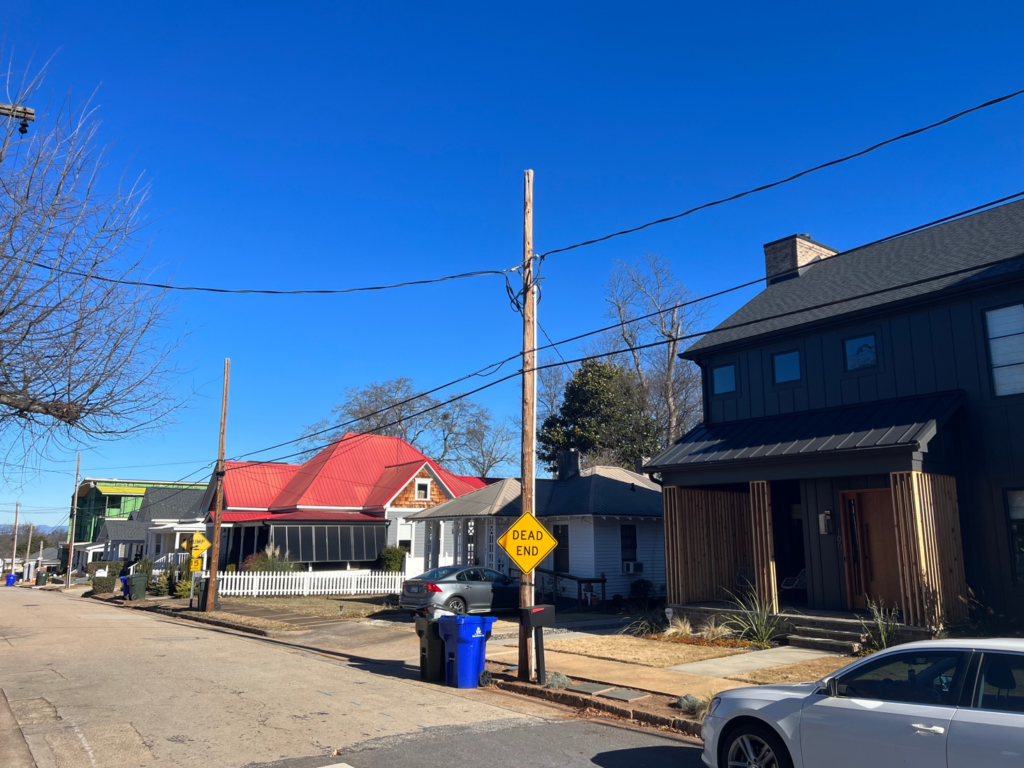
We investigated how Safe Routes to School (SRTS) programs intersect with gentrification in Greenville’s West End by using children’s active mobility as a lens to assess community perceptions. Through observations, behavior mapping, and interviews, we explored how mobility infrastructure impacts cultural traditions and socioeconomic dynamics. This approach allowed me to uncover tensions between design intentions and community realities, providing critical insights to guide equitable, context-sensitive urban planning in rapidly changing neighborhoods.
Navigating autism in public transport: WHO’s International Classification of Functioning, Disability and Health (ICF) as a framework to investigate the spatial and physical barriers

Among the factors impacting functioning and quality of life in autism, aspects of the built environment have recently gained increasing attention. However, the opportunity of proposing a universal framework for cross-scalar examination of these factors remains largely unrealized.
By narrowing the focus to public transport, a key component of urban spatial structure and urban mobility, this study explores the applicability of the World Health Organization’s International Classification of Functioning, Disability, and Health (ICF) in examining the built environmental factors that influence autism.