


Institutional inertia in a model capital: Environmental health indicators and fragmented urban governance in Islamabad
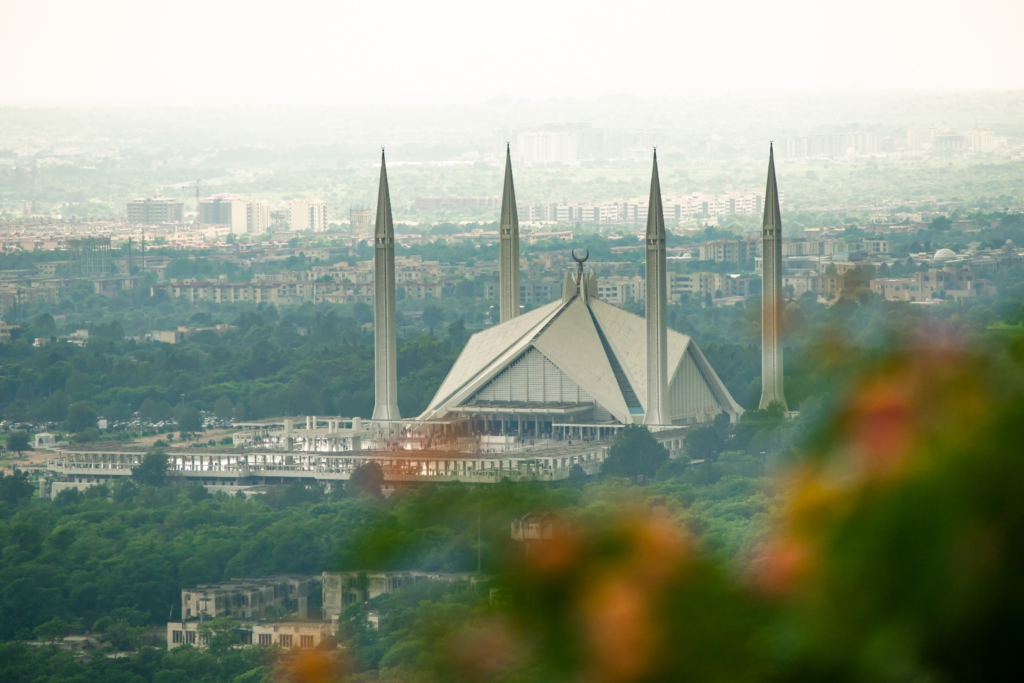
Unregulated urbanization in Islamabad fuels flooding and health risks like dengue, revealing gaps in environmental health integration. Our study’s insights urge planners to prioritize equitable, health-focused urban policies.
Bio-reconciliation: Dialectics for healthier, equitable urban futures – Biophilia and Biophobia
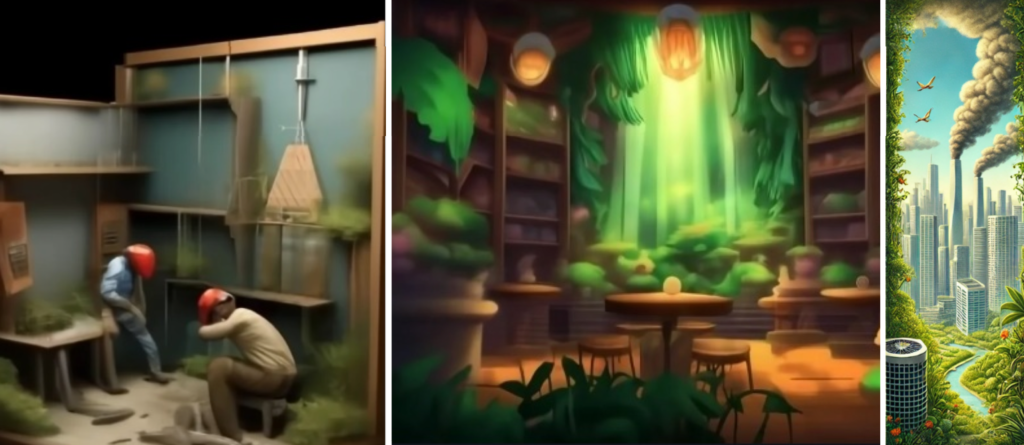
I diagnose urbanization’s toll: 60% of city dwellers face stress-related morbidity, which biophilic design aims to curb; yet my 100-study review reveals biophobia’s backlash, like glare spiking cortisol 10%. This dialectic, rooted in evolutionary and urban disconnect, exacerbates health inequities e.g., 30% higher stress in underserved areas —demanding my evidence-based, Hegelian synthesis to recalibrate architecture for resilience.
Where do older people in China want to live as they grow old?
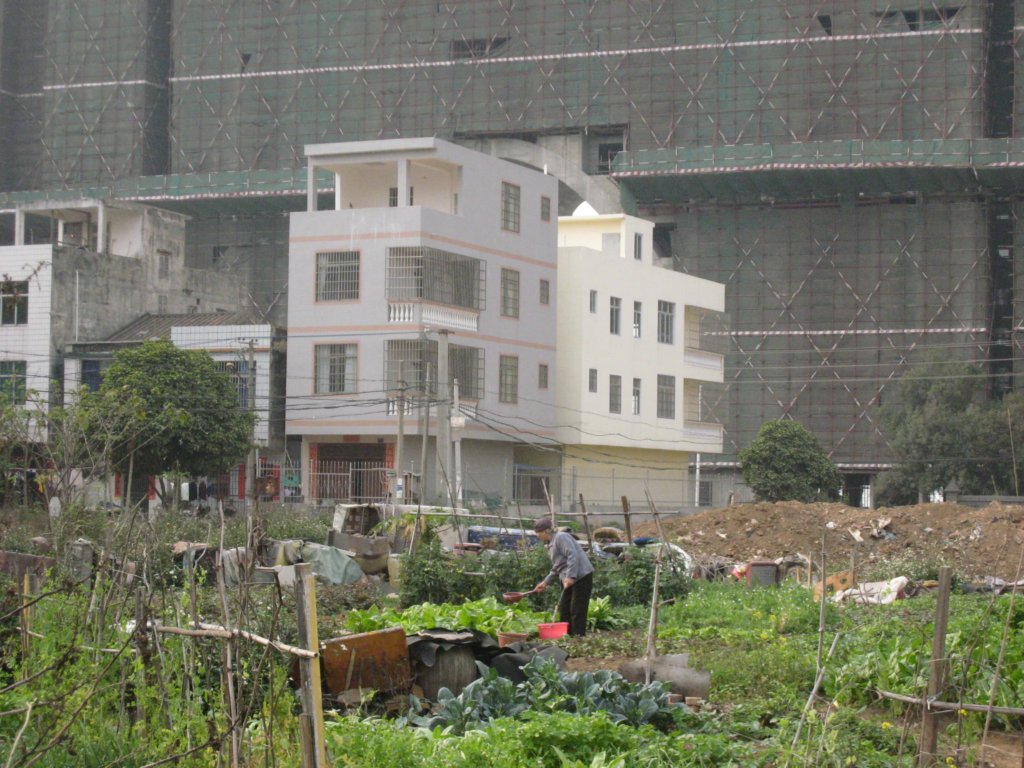
The image of older people in China preferring to live with their children is not uniformly the case, particularly for those with the most resources, and with fewest. Not enough is known about preferences for what kinds of places older Chinese want to live in, including the design, location, and tenure of homes.
How caste and neighbourhood environment shape health inequality in India’s Tier-II cities
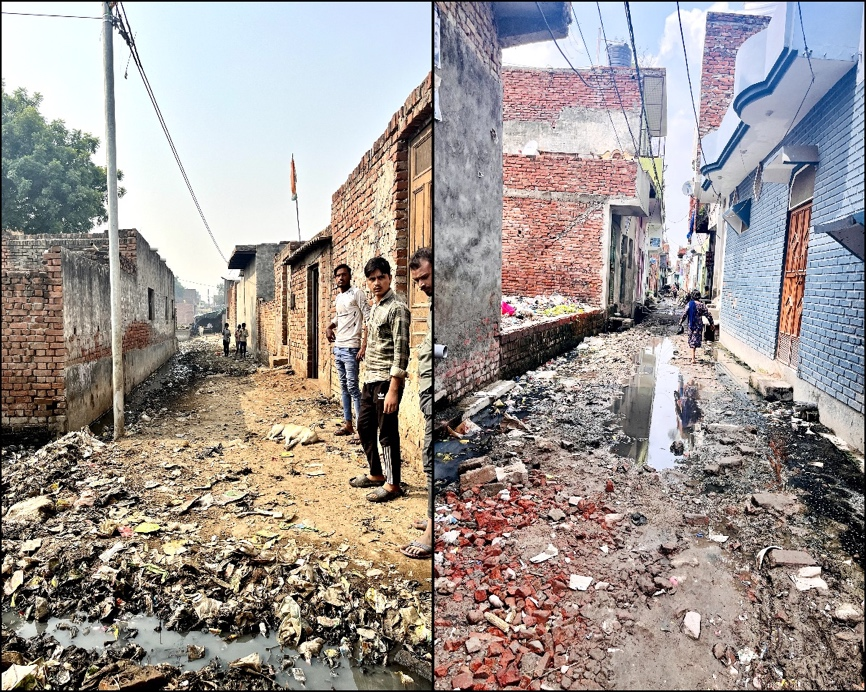
Caste and environment intersect to shape urban health inequities in Indian cities. Based on fieldwork in Aligarh, this study uncovers how lower-caste households are disproportionately exposed to environmental hazards and denied equitable healthcare. I conducted a mixed-methods study of 1,650 households in Aligarh to examine the relationship between caste, environmental conditions, and health. Using correlation analysis and spatial mapping, I identified patterns of environmental risk and unequal access to healthcare services. The findings urge inclusive urban health planning that prioritizes caste-aware environmental justice.
Comparing 30 km/h speed limits in Canada and Australia: Lessons in implementation
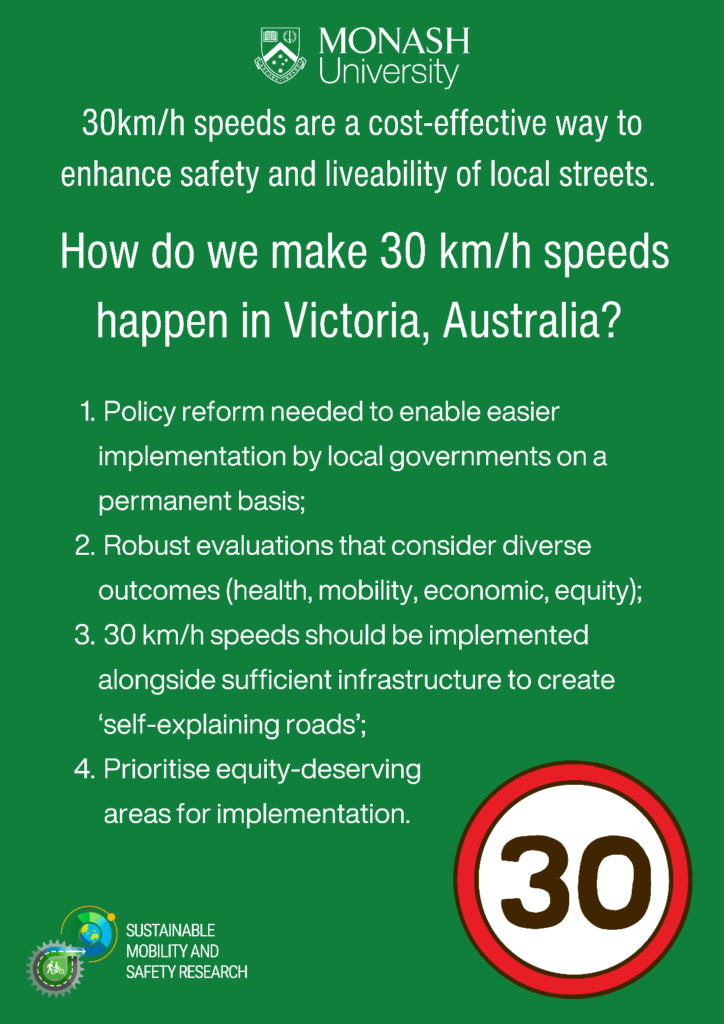
This study provides critical insights into the complexity of implementing 30 km/h speeds, and opportunities to enhance systems to catalyse change.
An exploration on the contribution of Third Places to fostering healthy walking habits in cities
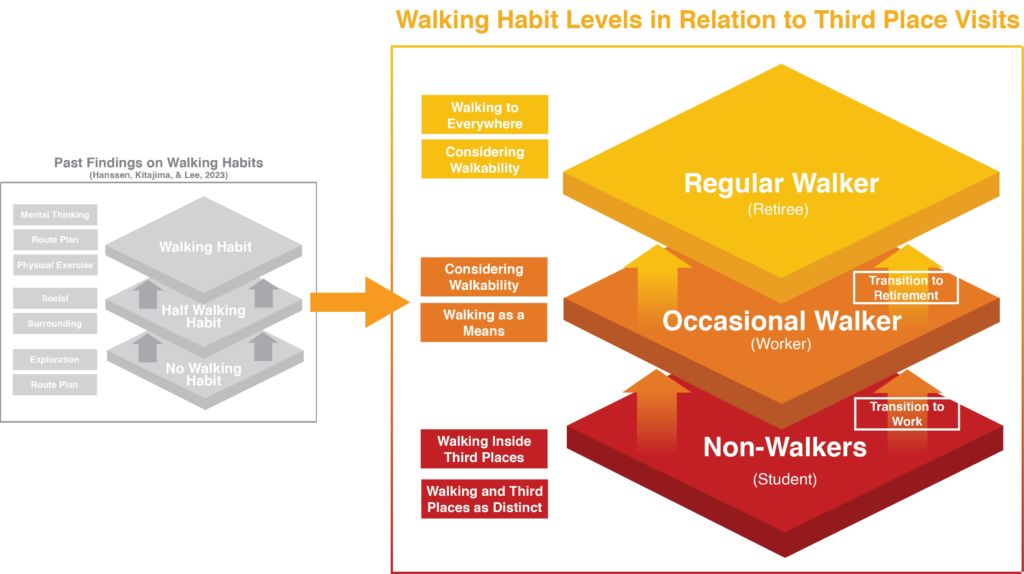
We explored the influence of third places on walking habits across life stages. Our study demonstrates the unique goal structures for students, workers, and retirees, identifying key patterns shaping walking behavior in cities. Integrating these findings into urban planning can revolutionize cityscapes and promote healthier, more active communities.
The air pollution burden of outdoor and informal workers in Bangkok
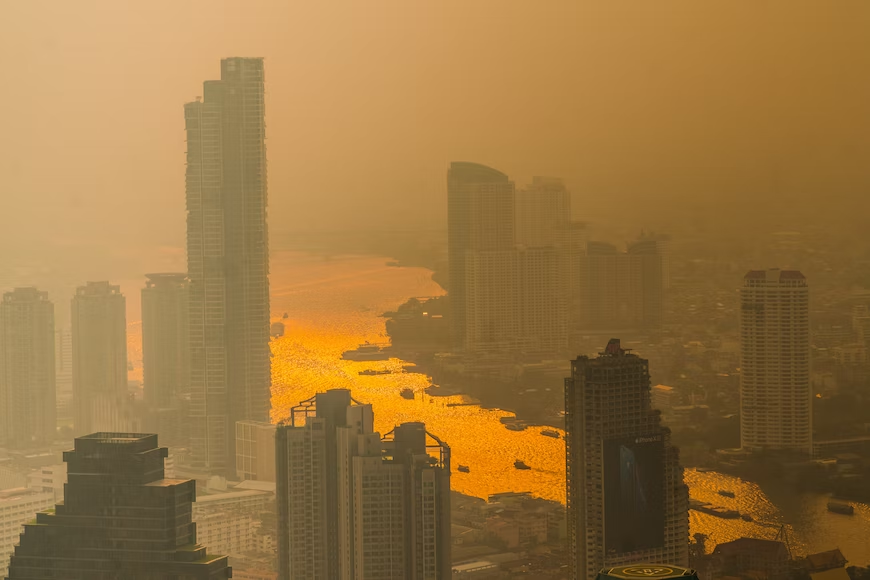
Air pollution kills. But who is most exposed to air pollution in a city? This paper explores how different workers in Bangkok are exposed to PM2.5, how they protect themselves (or not), and what this means for city planners.
Transforming the urban public realm to children’s play network in a tower neighbourhood in Toronto
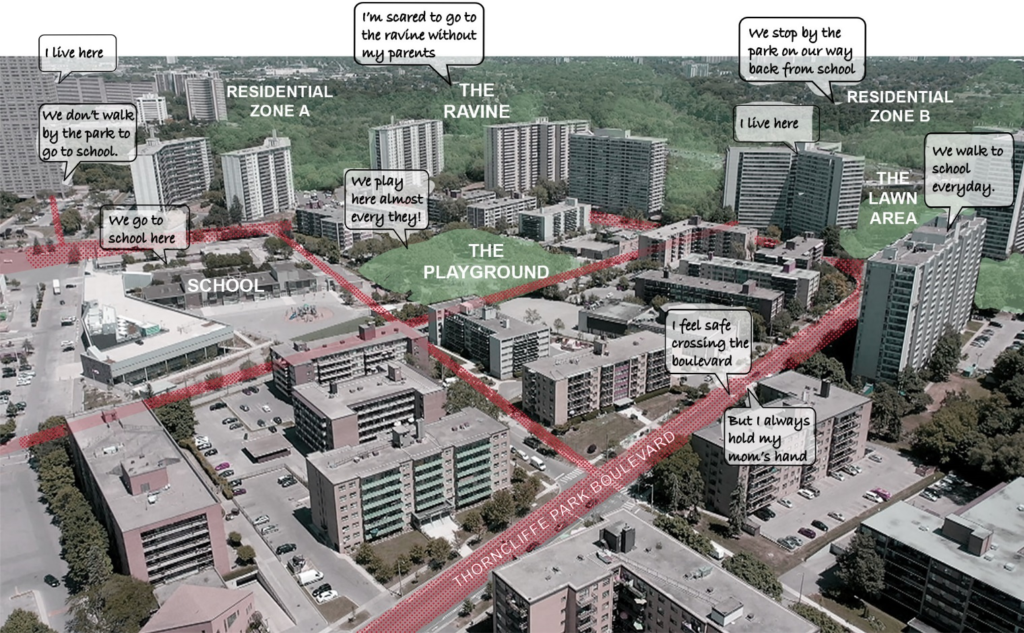
Our findings revealed that despite the limited play destinations compared to the local child population, children’s outdoor play experiences are predominantly positive. This positive outlook is attributed to their sense of safety within familiar spaces and strong social ties with neighbours beyond their immediate families. Key contributing factors include the proximity of schools and play areas to residential locations, the strategic placement of playgrounds along home-to-school routes, and the hierarchical relationship among neighbourhood open spaces.
SOOPEN: A new tool to capture children´s group play behaviour in urban settings
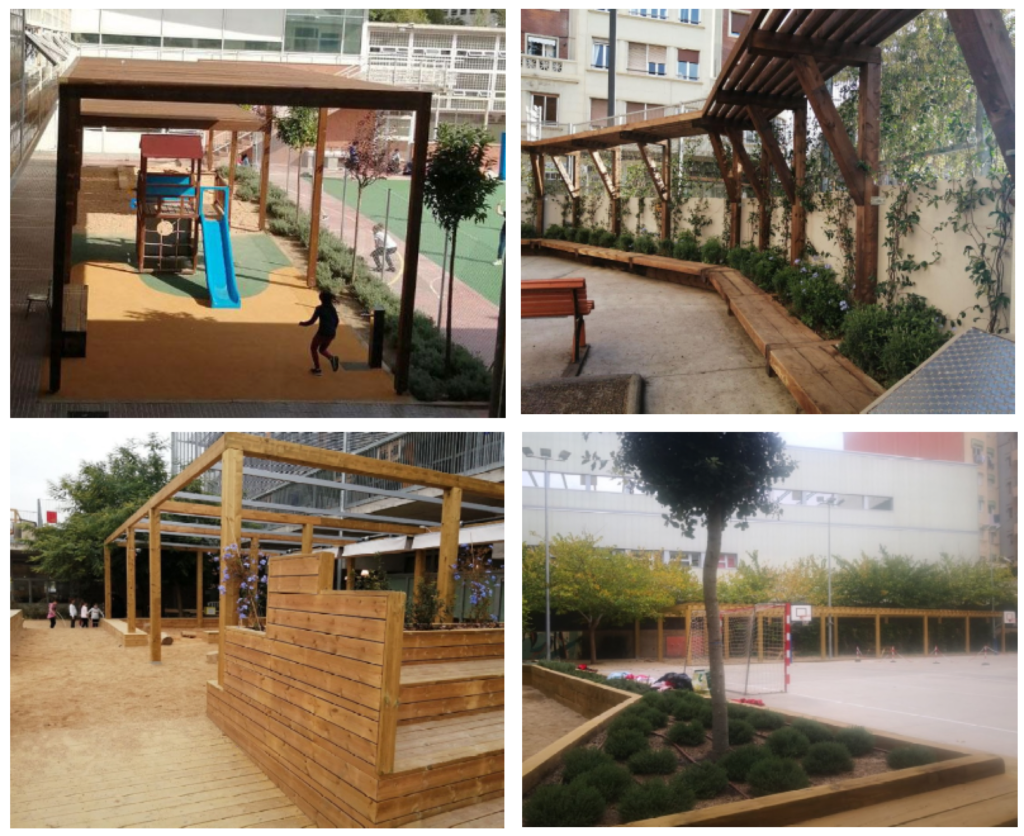
The System for Observing Outdoor Play Environments in Neighborhood Schools (SOOPEN) is a new systematic observation tool to assess children´s play behavior. SOOPEN uses a novel group dynamics approach. The tool has good reliability and is accompanied by a user-friendly protocol.
Enhancing children’s play in high-density urban environments: A systematic review of current insights
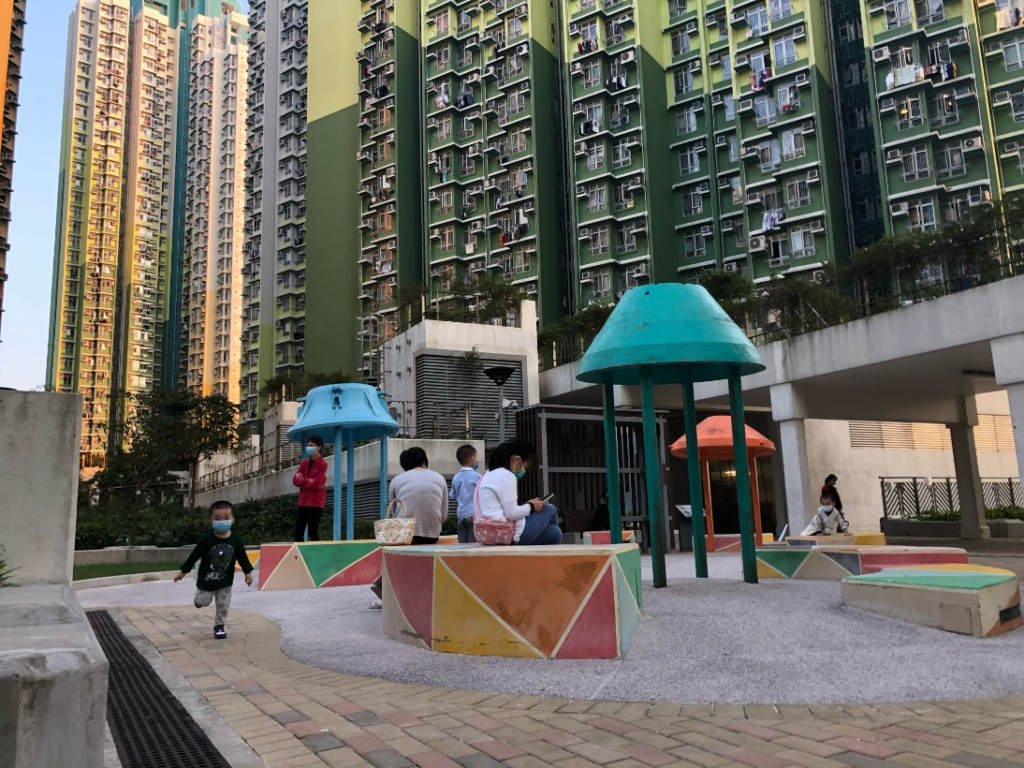
High-density urban environments significantly affect children’s play and well-being. This study provides current insights and explores potential solutions for enhancing play spaces in compact cities, aiming to promote a healthier and more sustainable urban future for children. Our goal was to synthesize current knowledge and provide guidance for improving play spaces in compact cities, ultimately contributing to more sustainable and liveable urban environments for children.