

City Know-hows

Preventing food deserts via urban planning: Some lessons from Singapore

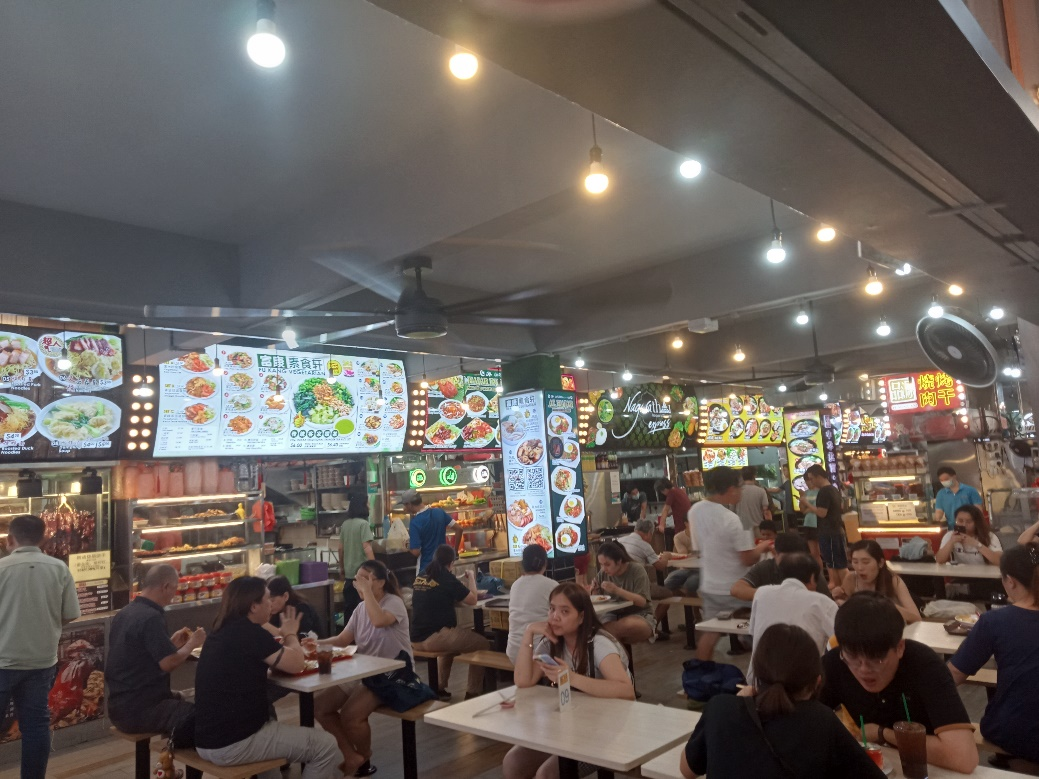
Singapore Hawker centre

Singapore has one of the highest healthy life expectancies and has comparatively low levels of overweight and obesity. It is also renowned for its far-sighted comprehensive urban planning. Our research examines links between the two.

Share

Target audience

Public health officers, Social planners, Urban planners, Nutritionists

The problem

Research has shown easy access to vendors selling affordable nutritious food positively affects health and health equity. Accessibility includes the existence of such a vendor, distances to them, and the quality of neighbourhood walkability. Conversely, the accessibility and visibility of vendors selling low-nutrition, calorie-dense food can encourage poor food choices. Visibility relates to the proportions of vendors selling nutritious food compared to those selling non-nutritious, calorie-dense varieties.

What we did and why

This research assesses whether Singapore’s neighbourhood form, governance and planning policies have contributed to food access. It compares the accessibility and diversity of food outlets within neighbourhoods and the availability, visibility, and cost of fresh and cooked nutritious food compared to non-nutritious food. It also assesses whether differences are more likely to disadvantage low-income households than medium- and high-income households and whether gentrification is affecting access to affordable nutritious food.

Our study’s contribution

Most research into food accessibility, food deserts and food swamps has been undertaken in Western nations. A scholarly assessment of the food environments in Singapore’s neighbourhoods has yet to be made. It shows that through a legacy of good mixed-use neighbourhood planning with an emphasis on walkability, and public ownership of the public realm and neighbourhood premises, Singapore has produced accessible, equitable food environments. However, it is a legacy discontinued via recent policy changes.

Impacts for city policy and practice

Our research shows health and health equity would be improved if the Singapore government reconsidered its recent approaches to activity centre development, ownership and governance and looked to its past planning practices, governance and design of its old generation neighbourhoods.

In addition, Singapore’s old generation activity centres provide a successful functioning example of a system that ensures affordable nutritious food continues to be available in low-income and gentrifying neighbourhoods for other cities.

Further information

Full research article:

Related posts

Can urban planners and designers fight depression? 

This study analysed thirteen neighbourhoods across four Israeli metropolitan cities from a cross-typological perspective to identify meaningful depression patterns and their links to neighbourhood design. The study suggests that while it is clear that urban planners cannot control all features associated with depression, they have at least the power to address the physical features associated with the neighbourhood, such as densities, street networks, building forms, and open spaces.

Read More »