


City Know-hows
Target audience
Spatial planning and health teams, planners and consultants in public health
The problem
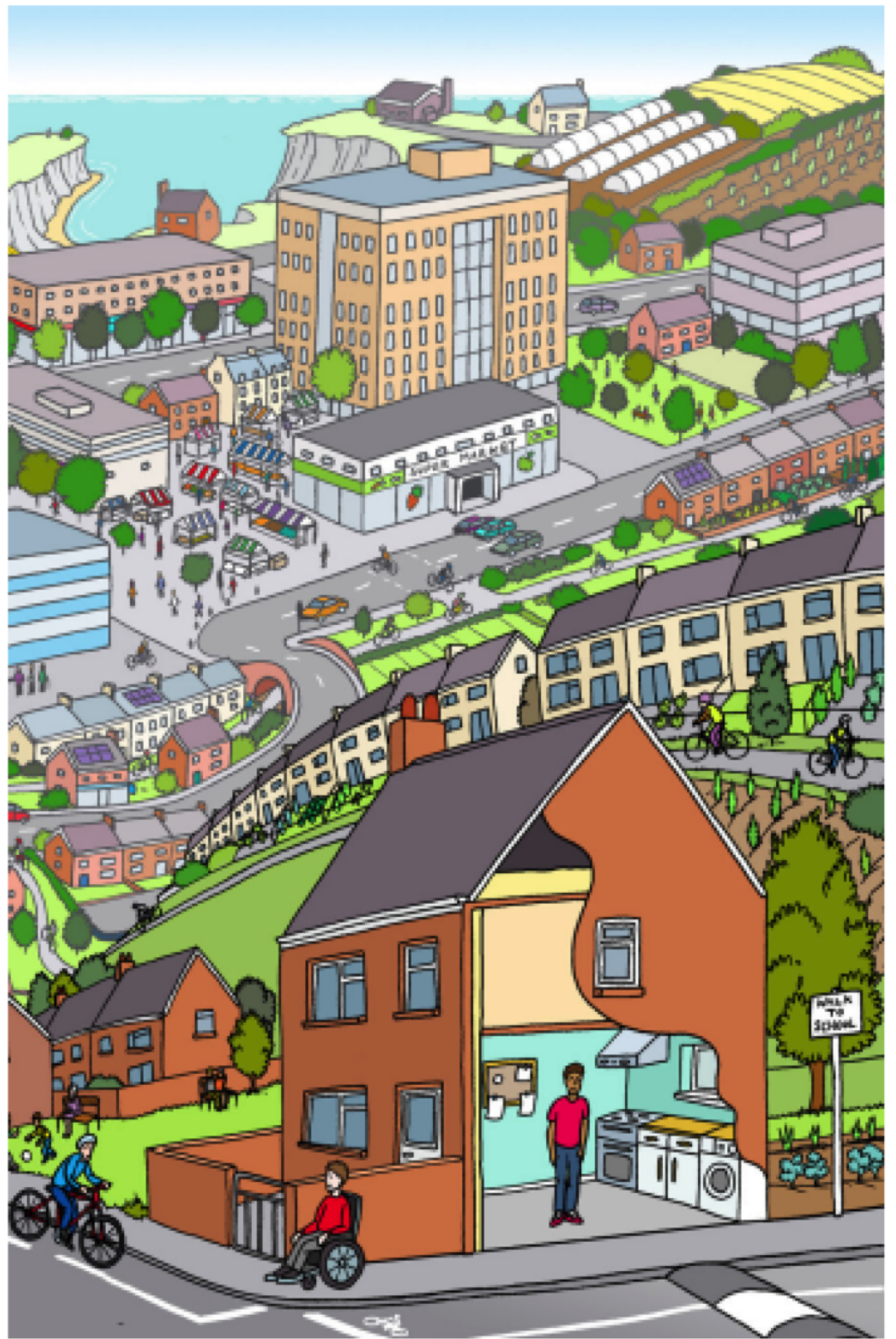
The design of a neighbourhood plays a central role in shaping the health and well-being of residents. Several studies have investigated the impacts of neighbourhood design on health and well-being. Yet, there are limited reviews investigating the quality of the evidence and the most effective interventions at a population level.
There is a need to present a holistic account of the relationship between urban environment and well-being and identify gaps in the evidence base.
What we did and why
We conducted a systematic review of existing evidence investigating the impact of neighbourhood design on health and well-being. A total of 7694 research articles and published reports were screened to identify studies that matched our aims and objectives. Studies selected for inclusion were subject to a rigorous quality assessment process using the Quality Assessment Tool for Quantitative Studies following which 22 studies deemed to be of moderate or high-quality were included in the findings.
Our study’s contribution
Evidence from our review reinforces existing research about the important associations between neighbourhood design and well-being.
Our review also identified areas of uncertainty such as associations between proximity to green space and the increased risk of asthma among children.
Impacts for city policy and practice
For urban health we found it important to note that promoting health through the design of the neighbourhood can improve wellbeing and quality of life at a population level. However, there is also need for more rigorous empirical studies that will enable the identification of the causal relationships.
Further information
The UPSTREAM project: Working with the UK’s major delivery agencies – landowners, developers, asset managers, local government – using live large-scale urban development projects as case studies, and quantifying external costs from associated health impacts using economic valuation, the project explores the barriers and opportunities for integrating health outcomes, focusing in particular on upstream decision-making.
Full research article:
Related posts

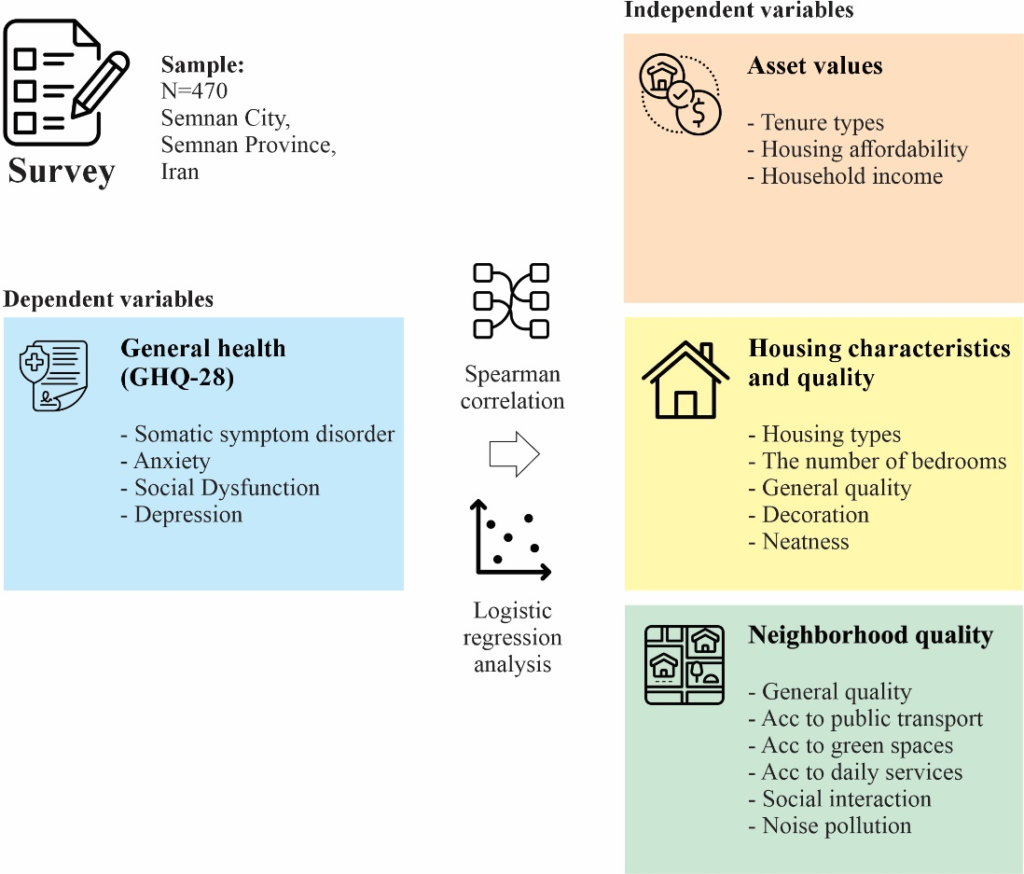
We explored the combined effects of housing affordability, quality, tenure, and neighbourhood conditions on mental health outcomes. We gathered data through a survey involving 470 questionnaires for analysis. We have been able to isolate what matters in relation to housing and mental health in our Iranian cohort.

Our findings highlight how different features including sounds of flowing water, open seating areas, far-reaching views, and a variety of planting (colour, height, texture, scents, attracting wildlife) within a garden influence emotional reactions and perceived restoration. These findings help build a wider picture of the lived experiences of garden users and how their wellbeing may be influenced by specific garden features. We intend our findings to support design guidelines of public greenspaces concerning human wellbeing.

This study sheds light on Indian planners’ perceptions of health integration in urban and regional planning, highlighting implementation obstacles as well as acknowledgement of the topic’s significance.