
City Know-hows
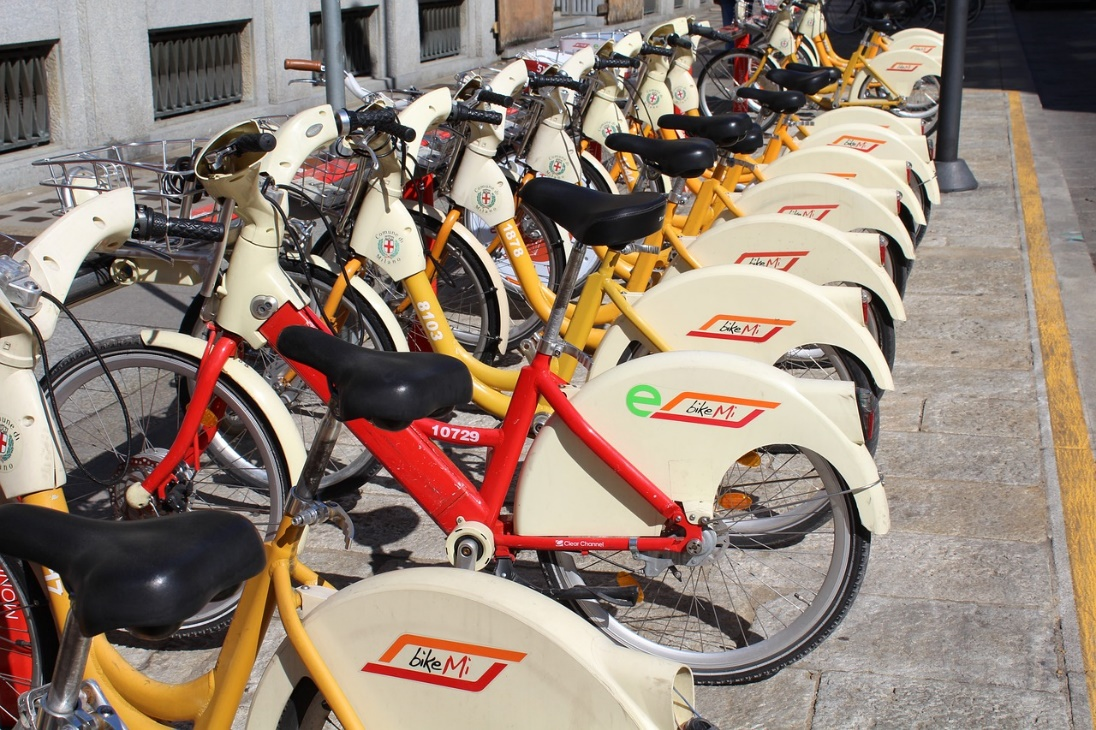
One solution to overcome barriers to mobility for residents of deprived neighbourhoods can be shared mobility hubs offering shared bikes and cars. Residents see great potential, while also raising concerns about costs, flexibility and usability in general.
Share
Target audience
Urban policy makers, urban communities, urban planners
The problem
Growing urbanisation and climate change pose major challenges to cities worldwide. Increasing motorised urban traffic leads to higher levels of noise and air pollution, an increase in sealed surfaces and a decrease in usable public and green space, which has a detrimental effect on human health and the environment. People living in socioeconomically disadvantaged neighbourhoods are also particularly affected by transport poverty, which results from limited mobility options and leads to less social participation.
What we did and why
Shared mobility hubs that offer (electric) bikes and cars can be a sustainable solution that enables people to expand their mobility options while protecting cities’ environment by reducing private car use and encouraging cycling. We interviewed residents of a deprived neighbourhood in Utrecht, the Netherlands, to understand their mobility needs and views on a recently implemented shared mobility hub in their neighbourhood, identifying potential obstacles in the process.
Our study’s contribution
We found that residents used various mobility modes, favouring cycling and walking for short distances and cars or public transport for longer trips. Key barriers to mobility in general included financial constraints and limited vehicle access. Many participants were unaware of the mobility hub and expressed concerns about costs, flexibility, accessibility, and potential liability. However, they recognised the potential of the shared mobility hub to promote transport equity if their concerns were addressed.
Impacts for city policy and practice
City policy should focus on the needs of disadvantaged populations by making public transport more affordable and accessible, simplifying routes, and creating clearer pricing schemes. Efforts to support cycling education must be expanded. Shared mobility services need wider promotion to ensure they are accessible and affordable for all. Engaging local experts and trusted community members is key to reaching often-overlooked groups, such as diverse and/or deprived neighbourhoods, and ensuring inclusive, sustainable mobility solutions.
Further information
Full research article:
OPEN ACCESS Tackling transport poverty with offers for shared mobility – a qualitative analysis on mobility needs and barriers in the context of a new mobility hub in a deprived neighbourhood by 
Justus Tönnies, Jenny Ahrens, Pia Hasselder, Pascal van Houten, Jan-Jaap van Eerten, Maddie White, Miriam Weber and Gabriele Bolte.
Related posts

This comparative study of 10 cities across the globe aims to understand the major factors that drive the sprawl conditions and their impact on the outer edges of the cities. Land is a very potential natural resource that has been exploited over the past few decades. Migration of people in search of better living conditions has led to the formation of cities, which are deemed to provide better quality of life. However, the rate of influx has become very high, leading to saturation in cities and forcing people to move towards the outskirts.

People living in informal settlements endure the disproportionate burden of health vulnerabilities due to poor living conditions, overcrowding and infrastructural neglect. I examine how social, economic, political and environmental forces converge to amplify health disparities in Harare’s informal settlements.

The degradation of the urban freshwater ecosystem has consequences to human population of cities. We proposed and tested an approach to identify and quantify the risk for the populations living near urban streams within the city, due to the degradation of ecosystems services.