


City Know-hows
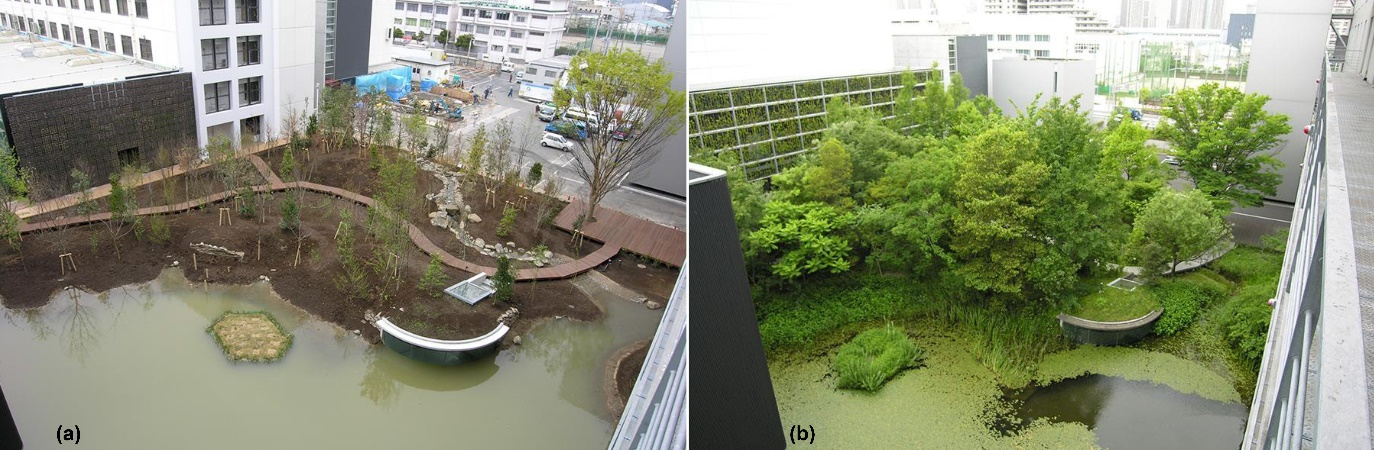
We highlight the beneficial interactions of “sensescapes”, the combination of soundscapes and natural landscapes, on psycho-physiological health. Our work shows the significance of interdisciplinary urban design and planning in harnessing these benefits – to enhance health and urban sustainability through the integration of nature’s influences on the body and mind.
Share
Target audience
Architects and landscape architects, healthcare practitioners, city planners, environmental practitioners, urban designers, and policymakers.
The problem
Previous research has primarily focused on the effects of either soundscape or visual-scape, with limited studies exploring their combined impact on health, leading to a restricted understanding of their potential benefits on psycho-physiological health. Rather than merely focusing on noise reduction and aesthetic improvements, we suggest a more holistic research approach that integrates soundscape and natural landscape elements to develop theories and models for the health implications of nature-based planning in urban environments.
What we did and why
We explored the influence of soundscapes and natural landscapes on psycho-physiological health, including their interactions. We are introducing “sensescape”, a term that refers to the combined perceptual impacts on an individual’s physical and mental health. Considering the rising prevalence of illnesses due to poor environmental conditions in urban living; we think it is important to gain a deeper understanding of how soundscape and natural landscapes can be used to promote health through more effective policymaking for healthier cities.
Our study’s contribution
We advocate better use of emerging technologies to advance urban planning strategies aimed at improving psycho-physiological health. We highlight:
Impacts for city policy and practice
Natural landscape and soundscape play a crucial role in the physical and mental health of urban dwellers. These have significant implications for community development, city health, and sustainability. As such, we propose that;
Further information
Full research article:
Soundscape and natural landscape as a design construct for improving psycho-physiological health in cities: A semi-systematic literature review by Timothy Onosahwo Iyendo, David Welch, and Patrick Chukwuemeke Uwajeh.
Related posts

Place qualities affect people’s place identity, attachment, and behaviour, as well as their emotional, psychological, and social well-being. This is core to healthy cities, urban futures and public health.

With new advances in public participation Geographic Information Systems and the increasing use such these tools for participatory mapping of various spatial data, urban designers need to understand the usefulness of these tools in investigating micro-scale physical characteristics of urban settings.

Urban design and planning, and associated policies, must enable and support a collective adaptation to climate change by responding to local needs. These needs can be identified through an urban comfort lens considering sociocultural preferences and needs which must inform urban design and planning practice.